
Mexico Self-Drive Tourism 2026: Top Road-Trip Hubs and Safety Advisories for Mérida and Baja
Analysis of Mexico's 2026 self-drive tourism landscape identifies Mérida, Oaxaca, and Baja California Sur as primary road-trip hubs, featuring updated infrastructure and critical safety ratings for international travelers.

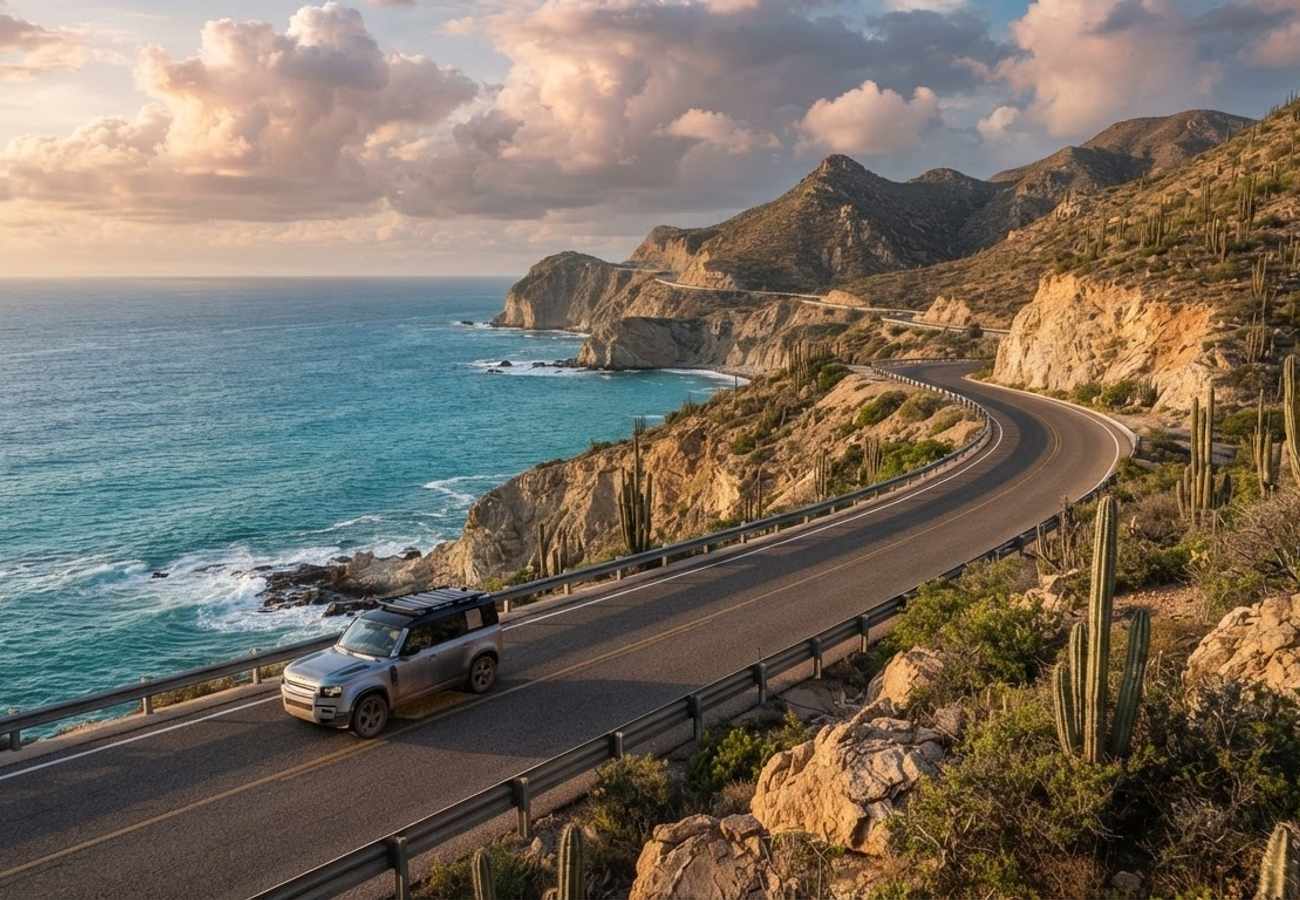
Image generated by AI
Mexico is seeing a surge in self-drive tourism for 2026, with Mérida and the Baja peninsula emerging as the primary anchors for independent road travel. This shift is driven by infrastructure improvements and a growing preference for personalized, vehicle-based exploration over fixed tour packages.
Strategic Self-Drive Hubs and Route Analysis
Current tourism data indicates that the most viable self-drive destinations for 2026 combine manageable distances with high-density cultural attractions. Our analysis identifies several key clusters where vehicle rental provides a significant logistical advantage.
The Yucatán and Quintana Roo Corridor
The Yucatán Peninsula remains the gold standard for self-driving due to its flat terrain and well-maintained federal roads.
- Mérida, Yucatán: Positioned as the strongest all-round base. Key circuits include Chichén Itzá (115 km), Valladolid (159 km), and the coastal towns of Progreso, Sisal, and Celestún.
- Valladolid, Yucatán: A high-efficiency base for eastern archaeology. Chichén Itzá is only 53 km away, and Cenote Ik Kil is reachable within 35 minutes.
- Bacalar, Quintana Roo: Essential for exploring southern Quintana Roo. The Bacalar–Chetumal–Mahahual triangle is highly efficient, with Bacalar to Chetumal taking approximately 40 minutes and Bacalar to Mahahual taking about two hours.
- Cancún, Quintana Roo: Serves as the primary rental gateway. Federal Highway 180 provides the main artery connecting Cancún to Playa del Carmen and Tulum.
Baja California Sur and the West Coast
The Baja peninsula offers a high-contrast driving experience, moving from resort corridors to remote desert landscapes.
- La Paz: A premier base for the Sea of Cortez. While established highways are reliable, off-road excursions to the Sierra de la Laguna require specialized preparation.
- Loreto: The primary choice for point-to-point touring. Highway 1 connects Loreto to Mulegé, though fuel planning is critical on these longer sectors.
- Los Cabos: Features a highly streamlined 20-mile Tourist Corridor highway connecting San José del Cabo and Cabo San Lucas.
Central and Southern Highlands
Infrastructure updates in 2026 have significantly altered the accessibility of the southern coast.
- Oaxaca City: The completion of the Barranca Larga–Ventanilla highway has reduced the drive from Oaxaca City to Puerto Escondido from 6.5 hours to approximately 2.5 hours. Huatulco is now reachable in just over three hours (276 km).
- Querétaro City: The strongest central hub for short-radius loops. Tequisquiapan (50 km), Bernal (54 km), and the Art, Wine and Cheese Route (60 km) are all within easy reach.
- Puebla City: A concentrated base for "Pueblos Mágicos." Cholula is a 20-minute drive, though drivers must observe the 12 km exclusion zone around Popocatépetl.
- Ciudad Valles, San Luis Potosí: The gateway to Huasteca Potosina. The state is currently developing the "Riviera Huasteca," proposing tourist stopping points every 10 km along the Ciudad Valles–Tamazunchale corridor.
2026 Safety and Operational Advisory
For the international traveler, navigating Mexico by car requires an understanding of the current security levels and regional restrictions. Our analysis of official advisories indicates a tiered risk landscape.
Regional Security Levels
- Level 1 (Exercise Normal Precautions): Yucatán and Campeche. These regions are currently the most stable for self-drive tourism.
- Level 2 (Exercise Increased Caution): Baja California Sur, Querétaro, Oaxaca, Puebla, San Luis Potosí, and Quintana Roo.
Critical Driver Alerts
For the affected passenger or traveler, these designations mean:
- Night Driving: In Quintana Roo and major tourist hubs, official guidance from both U.S. and UK authorities advises heightened awareness and avoiding non-essential travel after dark.
- Remote Sector Logistics: In Campeche, the drive to Calakmul (300 km south-east of Campeche City) is classified as a remote expedition. Travelers must secure adequate fuel and food supplies before departure.
- Route Restrictions: While Oaxaca City and Puerto Escondido are accessible, Highway 200 toward Guerrero and parts of the Isthmus remain under strict travel restrictions.
Industry Analyst View
The trend toward self-drive tourism in Mexico reflects a broader global shift toward "slow travel" and autonomy. The drastic reduction in travel time between Oaxaca City and the coast via the Barranca Larga–Ventanilla highway is a prime example of how targeted infrastructure investment can unlock new tourism economies.
However, the disparity between "Tourist Corridors" (like those in Los Cabos) and remote federal highways remains a challenge. The development of the Riviera Huasteca suggests a strategic move by the Mexican government to formalize and secure road-trip routes, potentially reducing the risk for international renters.
Safe navigation in 2026 requires a balance of modern GPS tools and strict adherence to regional safety levels.
Related Travel Guides
Disclaimer
This article is for informational and educational purposes only. It does not constitute legal, financial, or professional advice. While we strive to provide accurate and up-to-date information, travel policies, regulations, and conditions change rapidly. Always verify information with official sources before making travel decisions. Nomad Lawyer makes no representations about the accuracy, reliability, completeness, or suitability of the information provided. Readers should consult qualified professionals for advice specific to their circumstances. The views expressed in this article are those of the author and do not necessarily reflect the views of Nomad Lawyer.
Preeti Gunjan
Contributor & Community Manager
A passionate traveller and community builder. Preeti helps grow the Nomad Lawyer community, fostering engagement and bringing the reader experience to life.
Learn more about our team →