
Denmark Launches Luxury Hospitality Wave with CORI Hornbæk Hotel and New 2026 Autumn Openings
Denmark expands its luxury tourism footprint in Autumn 2026 with the debut of the CORI Hornbæk Hotel and several lifestyle properties across Copenhagen and Jutland.

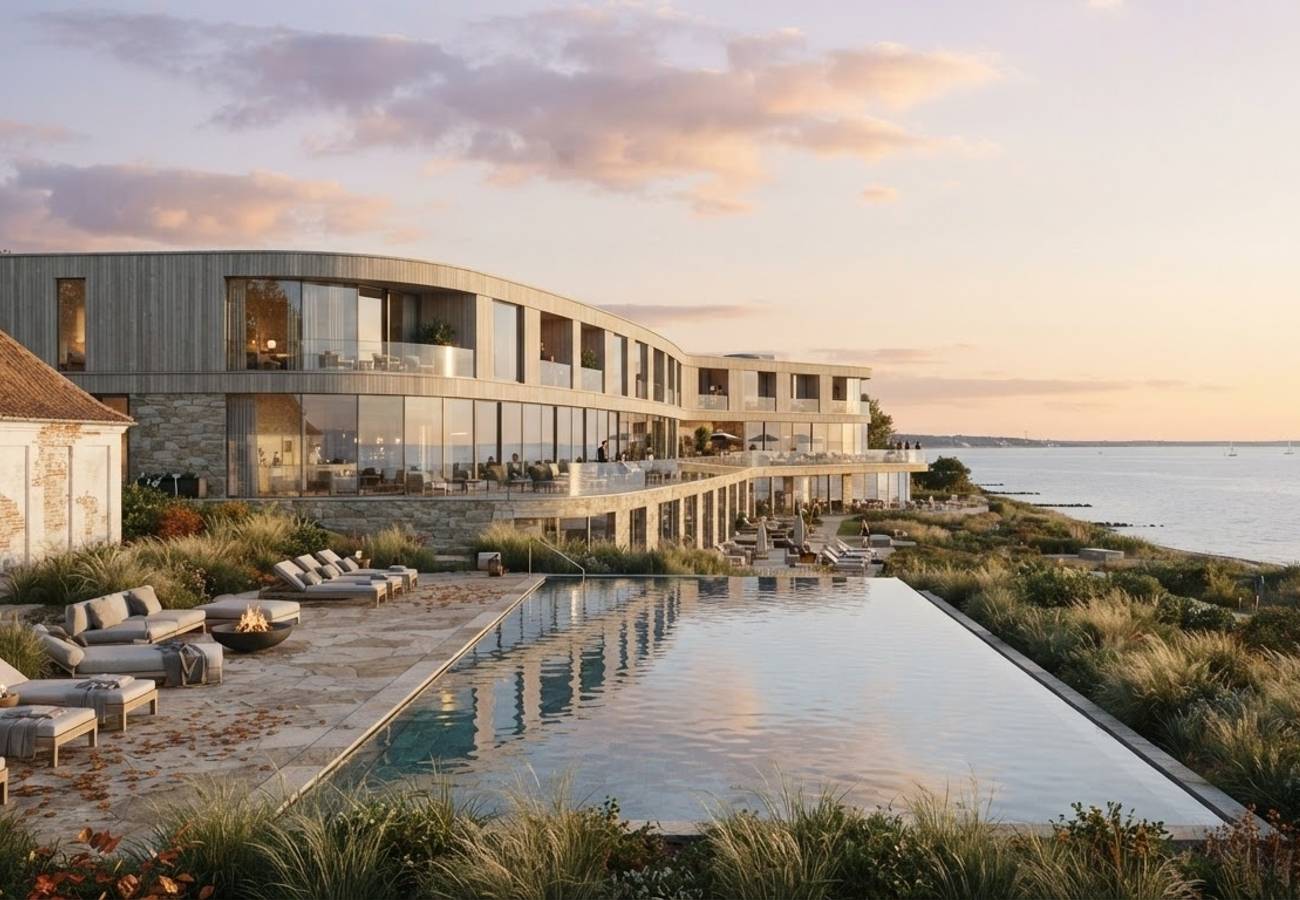
Image generated by AI
[Copenhagen, September 13, 2026] — Denmark is initiating a strategic expansion of its luxury hospitality sector this autumn, headlined by the grand opening of the CORI Hornbæk Hotel on the Danish Riviera. This wave of launches signals a pivot toward experience-driven tourism, moving away from traditional lodging toward a model that integrates Nordic design, wellness, and architectural restoration.
The 2026 pipeline targets a diversified geographic spread, distributing high-end inventory across the North Zealand coast, the capital city of Copenhagen, and the regional hubs of Jutland. By prioritizing heritage sites and lifestyle-centric concepts, the Danish tourism board and private developers aim to extend the traditional summer peak into a year-round luxury circuit.
The Catalyst for Hospitality Expansion
The surge in development is triggered by a shifting global demand for "slow travel" and authentic regional experiences. Travelers are increasingly bypassing generic hotel chains in favor of properties that offer a deep connection to local culture and architecture. In Denmark, this has manifested as a movement to revive historic landmarks—transforming them into modern luxury hubs that serve as destinations in their own right.
A primary driver is the desire to decentralize tourism from the center of Copenhagen. By investing in coastal communities and regional towns, Denmark is encouraging international visitors to extend their itineraries and explore the countryside, thereby increasing the average length of stay and spending per visitor.
Properties Reshaping the 2026 Landscape
The following developments are the primary contributors to Denmark's updated hospitality map for the Autumn 2026 season:
| Hotel / Property | Location | Launch Window | Concept | Key Specifications |
|---|---|---|---|---|
| CORI Hornbæk Hotel | Hornbæk, North Zealand | September 2026 | Luxury Boutique Coastal | 77 rooms, 5 townhouses, full restoration of 1935 landmark |
| Hobo Copenhagen | Copenhagen | Late 2026 (Dec) | Urban Lifestyle | Community-focused creative spaces, social bars, flexible guest areas |
| Jørgensens Hotel | Horsens, Jutland | Autumn 2026 | Heritage Luxury | 1744 Baroque palace, 59 rooms, seasonal gastronomy |
| Rox Resort Køge | Køge, Zealand | Opened 2026 | Coastal Family Resort | Leisure-focused facilities, short-break positioning |
What This Means for Travelers
For the modern traveler or digital nomad, these openings change the logistics of visiting Denmark in several ways:
1. Diversified Luxury Options: Travelers no longer need to stay in the capital to access five-star amenities. The opening of the CORI Hornbæk Hotel allows for a "hub-and-spoke" itinerary where visitors can split time between the urban energy of Copenhagen and the serene environment of the VisitDenmark promoted coastal regions.
2. Design-Centric Stays: The focus on "Nordic Modernism" means that the hotel itself becomes a primary attraction. For those interested in architecture, the restoration of the 1935 Ole Falkentorp building at Hornbæk provides a tangible link to Scandinavian design history.
3. Year-Round Accessibility: By introducing spa facilities, high-end gastronomy, and wellness retreats, these hotels are actively combating the "off-season" slump. Travelers booking for November or December will find a more robust infrastructure for luxury stays than in previous years.
4. New Hubs for Digital Nomads: The arrival of the Hobo brand in Copenhagen specifically targets the "work-from-anywhere" crowd, providing creative social spaces and flexible environments that blend professional utility with lifestyle leisure.
The Revival of the Danish Riviera
The CORI Hornbæk Hotel is the centerpiece of this expansion due to its architectural significance. The property is not a new build but a meticulous restoration of a 1935 coastal landmark. By preserving the original identity of the structure while integrating contemporary luxury, the developers are positioning Hornbæk as a premier destination for high-net-worth individuals.
The strategy here is clear: transform a seasonal beach town into a perennial luxury retreat. With 77 rooms and five exclusive townhouses, the hotel is designed to attract guests seeking "hygge" (the Danish concept of coziness) paired with high-end service. Its proximity to Copenhagen makes it an ideal satellite destination for those who want a coastal escape without leaving the reach of the capital's infrastructure.
Copenhagen's Lifestyle Evolution
While regional growth is vital, Copenhagen continues to evolve its urban offering. The late 2026 launch of Hobo Copenhagen represents a shift toward "social hospitality." Unlike traditional luxury hotels that prioritize privacy and seclusion, these new lifestyle properties prioritize community, featuring open-concept bars and creative zones designed to facilitate interaction between guests and locals.
This evolution is supported by the city's broader commitment to sustainable urban planning and world-class gastronomy. As the city maintains its status as a global design hub, the City of Copenhagen continues to see a demand for hotels that mirror the city's avant-garde spirit.
The Heritage Trend in Jutland and Zealand
Beyond the coast and the capital, the expansion of the Nordic Hotels & Resorts collection—specifically the positioning of Jørgensens Hotel in Horsens—highlights a growing trend in heritage luxury. Utilizing a Baroque palace dating back to 1744, this project leverages historical prestige to attract cultural tourists.
This trend suggests that the future of Danish hospitality lies in "adaptive reuse." Instead of constructing new concrete towers, the industry is finding value in the restoration of palaces and seaside villas, ensuring that growth does not come at the expense of national architectural heritage.
FAQ: Denmark Hotel Openings 2026
When is the CORI Hornbæk Hotel officially opening? The hotel is scheduled for a grand opening in September 2026, coinciding with the start of the autumn season on the Danish Riviera.
What makes the Hobo Copenhagen hotel different from traditional hotels? Hobo focuses on a "lifestyle" concept, emphasizing community spaces, creative environments, and social hubs rather than just standard room accommodations, specifically targeting digital nomads and younger travelers.
Are there luxury options outside of Copenhagen for 2026? Yes. Significant options include the CORI Hornbæk Hotel in North Zealand and the heritage-focused Jørgensens Hotel in Horsens, Jutland.
Is the Danish Riviera only a summer destination? No. New developments like the CORI Hornbæk Hotel are introducing wellness, spa, and gastronomy concepts specifically designed to attract visitors throughout the entire year.
Denmark is no longer just a stopover; it is becoming a curated collection of architectural destinations.
Related Travel Guides
Disclaimer
This article is for informational and educational purposes only. It does not constitute legal, financial, or professional advice. While we strive to provide accurate and up-to-date information, travel policies, regulations, and conditions change rapidly. Always verify information with official sources before making travel decisions. Nomad Lawyer makes no representations about the accuracy, reliability, completeness, or suitability of the information provided. Readers should consult qualified professionals for advice specific to their circumstances. The views expressed in this article are those of the author and do not necessarily reflect the views of Nomad Lawyer.
Kunal K Choudhary
Co-Founder & Contributor
A passionate traveller and tech enthusiast. Kunal contributes to the vision and growth of Nomad Lawyer, bringing fresh perspectives and driving the community forward.
Learn more about our team →