
Denmark Is Not Considered Safe, Including Some Famous Cities Such as Copenhagen and Others During Autumn
Denmark Is Not Considered Safe, Including Some Famous Cities Such as Copenhagen and Others During Autumn

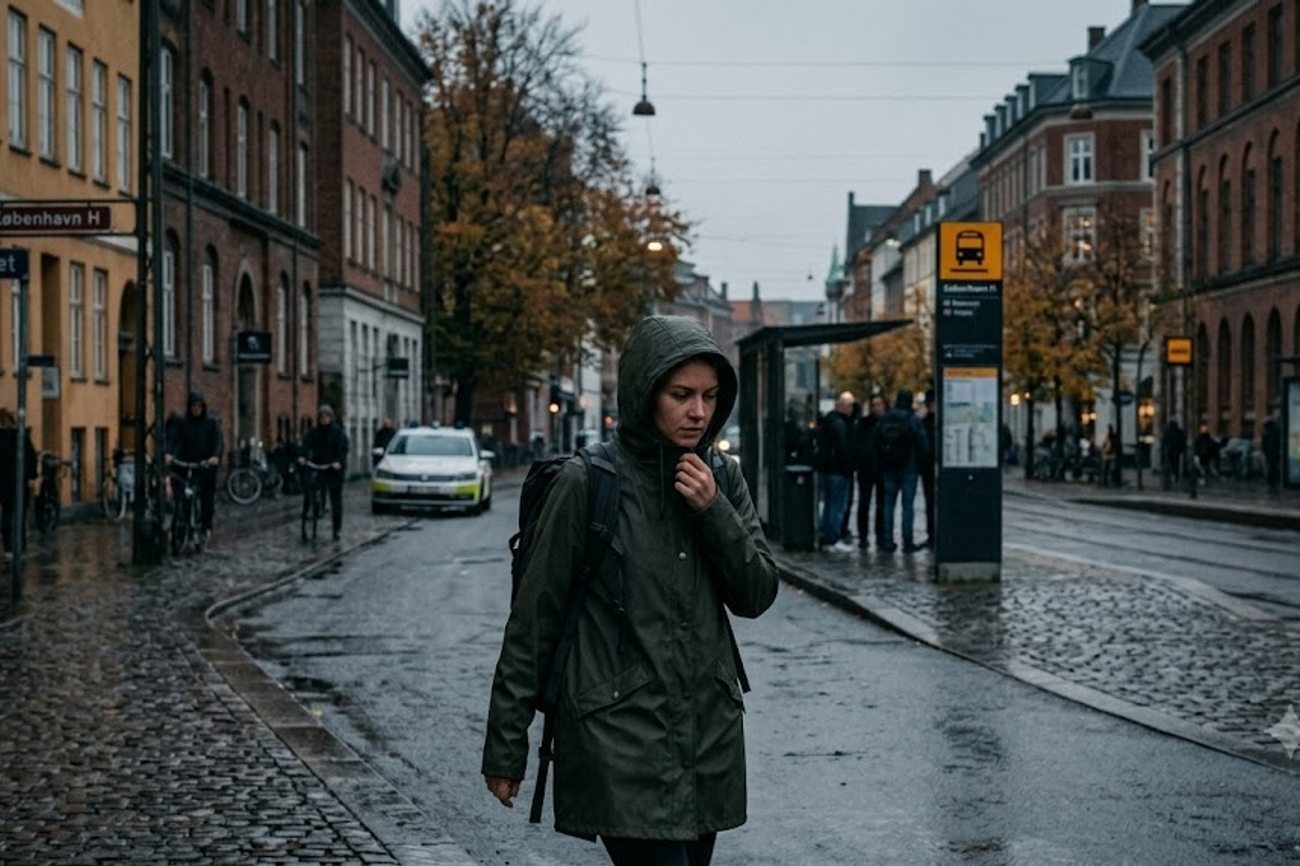
Image generated by AI
Zero Danish cities are officially classified as "unsafe" or closed to tourists for the autumn 2026 season, yet the concentration of risk remains heavily skewed toward the capital. While Denmark maintains its status as one of Europe's most secure destinations, the operational reality for the autumn 2026 window reveals a distinct bifurcation between general national safety and localized urban volatility. For the international traveler, the challenge is not systemic insecurity, but rather the intersection of seasonal environmental shifts—specifically reduced daylight and increased indoor crowding—and opportunistic crime patterns in high-traffic zones.
The Geography of Urban Risk in Denmark
The safety profile of Denmark in autumn 2026 is characterized by "moderate caution" zones rather than prohibited areas. The primary driver of risk is not violent crime, but the logistics of tourism. In Copenhagen, the sheer volume of international arrivals creates a density of targets for opportunistic theft. The capital serves as the primary gateway for millions of visitors, making transport hubs and pedestrian corridors primary theaters for pickpocketing and bag snatching.
Beyond the capital, the risk profile shifts toward behavioral and environmental factors. In Aarhus and Aalborg, the safety concerns are tied to the "student city" dynamic, where autumn university cycles increase nightlife density and alcohol-related disturbances. Meanwhile, in coastal peripheries like Esbjerg and Skagen, the primary threat is not criminal but meteorological. The autumn season introduces severe wind and rain, which can compromise coastal safety and disrupt ferry operations, transforming a security concern into a logistical one.
| City / Area | Primary Autumn 2026 Concern | Risk Level | Key Driver | Seasonal Factor |
|---|---|---|---|---|
| Copenhagen | Pickpocketing / Nightlife | Moderate | High tourist density | Early darkness / Indoor crowds |
| Nørrebro | Localized gang activity | Increased | Street-level crime | Reduced street visibility |
| Christiania | Drug-related incidents | Moderate | Illegal markets | Quieter outdoor spaces |
| Aarhus | Petty theft / Nightlife | Low-Moderate | University crowds | Peak evening activity |
| Odense | Bicycle theft | Low | Urban property crime | Rain-driven transit shifts |
| Aalborg | Nightlife disturbances | Low-Moderate | City center bars | Weekend surges |
| Esbjerg | Meteorological hazards | Low | Coastal storms | Rough seas / Strong winds |
| Skagen | Environmental risks | Low | Exposed coastline | Reduced daylight hours |
| Roskilde | Crowd-based theft | Low | Cultural festivals | Event-driven density |
Expert Analysis: The "Darkness Dividend" and Urban Friction
From a logistical and security standpoint, the autumn 2026 window introduces a phenomenon I call the "Darkness Dividend" for opportunistic criminals. As Denmark transitions into shorter days, the shift in human behavior—moving from open, visible public squares to enclosed, crowded indoor venues and dimly lit transit corridors—creates an environment where petty crime can flourish unnoticed.
For travelers booking routes into Copenhagen, the direct consequence is a heightened vulnerability during the "shoulder hours" of the evening. When the sun sets earlier, the transition from sightseeing to nightlife happens in a compressed timeframe, often coinciding with peak congestion at Copenhagen Central Station. This creates a bottleneck of high-value targets (tourists with luggage and electronics) in areas with reduced natural surveillance.
The situation in Nørrebro and Christiania represents a different type of friction. Nørrebro’s risk is tied to localized gang dynamics, which are often invisible to the average tourist until a specific incident occurs. Christiania, governed by its own internal social codes, presents a regulatory gray area. The risk here is not random violence, but the volatility associated with illegal drug markets. For the nomad lawyer or high-net-worth traveler, the risk in these zones is less about physical safety and more about legal exposure or conflict arising from a failure to respect local, non-governmental rules.
Furthermore, the reliance on cycling in cities like Odense creates a specific property crime pattern. As autumn rains increase, the density of bicycles in public racks grows, providing cover for theft. The pricing pressure this creates for travelers is an implicit "security tax"—the need to invest in high-grade locking mechanisms or opt for more expensive, secure ride-share options to avoid the risk of property loss.
Denmark, including famous cities like Copenhagen, Aarhus, and Odense, experiences a surge in crime rates during autumn, making it essential for travelers to exercise caution. According to the Danish Police website, the country has seen an increase in petty theft and vandalism, particularly in tourist areas. Travelers can stay informed about local conditions and safety guidelines by visiting the official police website.
Key Takeaways
- Concentrated Risk: Safety concerns are not national but localized, with Copenhagen requiring the highest level of vigilance due to tourist volume.
- Environmental Hazards: In northern and coastal regions like Skagen and Esbjerg, weather-related disruptions are a more significant threat than criminal activity.
- Zonal Awareness: Specific districts like Nørrebro and Christiania require a departure from standard tourist behavior, including avoiding unfamiliar streets after dark and respecting local community norms.
- Property Vulnerability: Bicycle theft in Odense and pickpocketing in Copenhagen's transit hubs remain the most frequent crimes affecting international visitors.
- Seasonal Shifts: Reduced daylight in autumn 2026 increases the risk of nightlife-related disturbances and reduces visibility in residential areas.
FAQ: Denmark Travel Safety 2026
Are there any cities in Denmark that tourists should avoid in autumn 2026? No cities are officially closed or classified as unsafe. However, travelers should exercise increased caution in specific Copenhagen neighborhoods like Nørrebro and the Freetown Christiania community due to localized crime and illegal activities.
What is the most common crime affecting tourists in Copenhagen? Opportunistic petty theft, specifically pickpocketing and bag snatching, is the most prevalent issue. This occurs most frequently in crowded tourist zones, shopping districts, and major transportation hubs.
How does autumn weather affect travel safety in Denmark? In coastal cities like Esbjerg and Skagen, autumn storms and strong winds can create hazardous conditions for outdoor excursions and ferry travel. Travelers should monitor official weather alerts via Danish Meteorological Institute (DMI).
Is it safe to use public transport in Denmark at night during autumn? Generally, yes. Denmark's public transport is highly efficient and safe. However, visitors are advised to stay alert in crowded stations and use well-lit routes when returning to accommodations late at night.
Security in Denmark is a matter of awareness, not fear, provided the traveler respects the shift from summer openness to autumn enclosure.
Tags: Copenhagen-Safety-2026, Nørrebro-Travel-Advisory, Christiania-Security, Denmark-Autumn-Tourism, Aarhus-Nightlife-Safety, Danish-Coastal-Weather-Risks
Related Travel Guides
Disclaimer
This article is for informational and educational purposes only. It does not constitute legal, financial, or professional advice. While we strive to provide accurate and up-to-date information, travel policies, regulations, and conditions change rapidly. Always verify information with official sources before making travel decisions. Nomad Lawyer makes no representations about the accuracy, reliability, completeness, or suitability of the information provided. Readers should consult qualified professionals for advice specific to their circumstances. The views expressed in this article are those of the author and do not necessarily reflect the views of Nomad Lawyer.
Raushan Kumar
Founder & Lead Developer
Full-stack developer with 11+ years of experience and a passionate traveller. Raushan built Nomad Lawyer from the ground up with a vision to create the best travel and law experience on the web.
Learn more about our team →