
Delta TechOps Expands Third-Party MRO Operations Through Strategic LATAM Airlines Brasil Partnership
Breaking airline news and aviation industry updates for 2026.

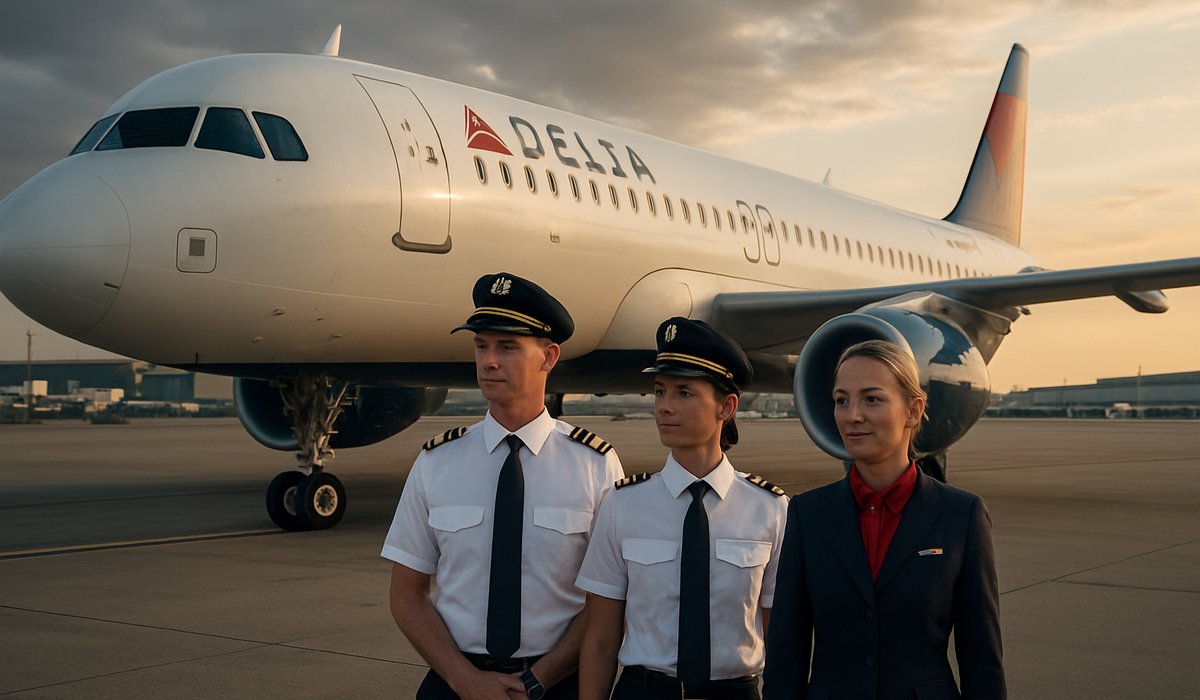
Image generated by AI
Delta TechOps Expands Third-Party MRO Operations Through Strategic LATAM Airlines Brasil Partnership
Major aviation maintenance agreement signals shift toward specialized component repair outsourcing in Latin America
Strategic Partnership Reshapes Aviation Maintenance Landscape
Delta Air Lines has announced a landmark agreement with LATAM Airlines Brasil to substantially expand its third-party maintenance, repair, and overhaul (MRO) operations, establishing a dedicated hub for Airbus A320 component servicing. The partnership, formalized on April 21, represents a significant move by Delta to capitalize on growing demand for specialized aircraft maintenance while leveraging regional expertise in one of the world's most critical aviation markets.
Under the arrangement, Delta TechOps will function as the commercial gateway for external customers seeking maintenance services, while LATAM Airlines Brasil executes repair work at its São Carlos facility in Brazil. This geographical and operational division reflects a broader industry trend toward distributed maintenance networks that reduce costs and improve turnaround times for regional operators across Latin America and beyond.
Operational Structure and Market Implications
The agreement positions Delta's technical division as a high-margin business extension beyond its core airline operations. By serving as the primary commercial interface, Delta TechOps gains access to a portfolio of third-party clients while maintaining quality oversight through its engineering standards. LATAM's São Carlos facility brings established infrastructure and regional workforce capabilities that complement Delta's reputation for technical excellence.
The Airbus A320 family—the world's best-selling commercial aircraft platform—represents an enormous global installed base requiring continuous maintenance cycles. This partnership directly addresses capacity constraints in Latin American MRO services, historically concentrated in North America and Europe. The move could position both carriers competitively as regional operators seek reliable, cost-effective maintenance solutions without extended aircraft downtime.
Industry Context and Growth Opportunities
The partnership emerges amid a period of significant aviation sector recovery and modernization. As global air travel demand continues rebounding from pandemic-era disruptions, airlines face mounting pressure to optimize fleet maintenance spending and reduce operational inefficiencies. Third-party MRO agreements have become increasingly strategic, allowing legacy carriers like Delta to unlock additional revenue streams from their technical capabilities.
This collaboration also reflects broader geopolitical and economic shifts favoring South American aviation hubs. By establishing a dedicated A320 component repair center in Brazil, Delta and LATAM strengthen their positioning within one of the fastest-growing regional aviation markets, where fleet expansion and modernization efforts are accelerating among Brazilian and regional carriers.
The partnership underscores Delta's multifaceted business strategy, extending its technical expertise beyond internal operations to generate revenue from competitors and regional operators seeking world-class maintenance standards at competitive pricing.
Frequently Asked Questions
What is a third-party MRO agreement in aviation? Third-party MRO (Maintenance, Repair, Overhaul) services allow airlines to contract external facilities for aircraft component maintenance and repairs, reducing costs and improving fleet availability compared to in-house operations.
Why is the Airbus A320 component market significant? The A320 family represents over 10,000 aircraft in global service, creating massive ongoing demand for specialized component repairs and maintenance across multiple operator networks.
How does Delta TechOps benefit financially from this partnership? Delta generates revenue through commercial service contracts while maintaining quality control oversight, effectively monetizing technical expertise without capital-intensive facility expansion.
What advantages does the São Carlos facility provide? LATAM's Brazil-based facility offers regional accessibility for Latin American operators, lower labor costs, and established infrastructure, reducing turnaround times and service expenses.
Could this partnership expand beyond A320 components? The agreement's framework suggests potential for expansion into additional aircraft platforms and service categories as the partnership matures and proves operational viability.
Related Travel Guides
Flight Delay Compensation Guide 2026
Understanding Airline Route Changes
Airport Security Process Updated (2026)
External Resources
Disclaimer
This article is for informational and educational purposes only. It does not constitute legal, financial, or professional advice. While we strive to provide accurate and up-to-date information, travel policies, regulations, and conditions change rapidly. Always verify information with official sources before making travel decisions. Nomad Lawyer makes no representations about the accuracy, reliability, completeness, or suitability of the information provided. Readers should consult qualified professionals for advice specific to their circumstances. The views expressed in this article are those of the author and do not necessarily reflect the views of Nomad Lawyer.
Kunal K Choudhary
Co-Founder & Contributor
A passionate traveller and tech enthusiast. Kunal contributes to the vision and growth of Nomad Lawyer, bringing fresh perspectives and driving the community forward.
Learn more about our team →