
EasyJet Strands 122 Passengers in Milan as European Border Checks Trigger Aviation Chaos
Breaking airline news and aviation industry updates for 2026.

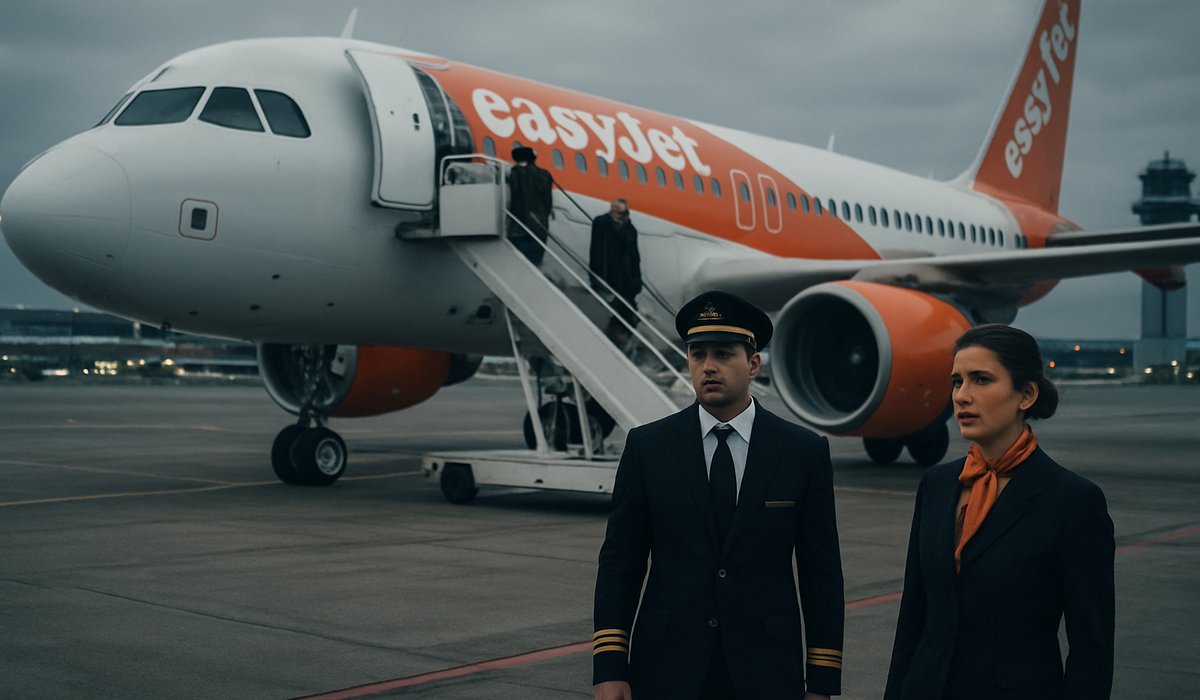
Image generated by AI
EasyJet Strands 122 Passengers in Milan as European Border Checks Trigger Aviation Chaos
New EU security protocols create travel disruptions, raising questions about airport infrastructure and airline contingency planning
Border Delays Leave Majority of Flight Stranded at Milan Linate
Low-cost carrier easyJet has come under intense scrutiny after abandoning 122 of 156 passengers scheduled for a Manchester-bound service from Milan Linate Airport, with travellers reporting they arrived at checkpoints more than three hours before scheduled departure yet still missed the flight due to unprecedented border congestion.
The incident, which unfolded at the northern Italian airport yesterday, exposes growing vulnerabilities in European travel infrastructure as enhanced security and immigration screening protocols continue to slow passenger processing across the continent. Passengers who had dutifully presented themselves well in advance of departure were unable to clear border formalities in time, leaving them stranded and forcing the airline to depart with significant capacity constraints.
Rising Pressure on Airlines as EU Border Controls Intensify
The Milan disruption represents a broader challenge facing the aviation industry as European Union member states implement stricter border verification measures. While such protocols serve legitimate security objectives, the practical consequences—extending security queues to unprecedented lengths—are creating cascading delays that compromise flight operations and passenger experience.
Industry observers note this scenario exemplifies the tension between enhanced border security and operational efficiency. Airlines operating on thin profit margins, already navigating volatile jet fuel prices and mounting pressure to reduce ancillary airline fees for competitive advantage, face mounting liability when infrastructure bottlenecks prevent passenger boarding.
EasyJet, which operates hundreds of daily European routes, has not issued public statements addressing contingency protocols or passenger compensation procedures triggered by the Milan incident. The carrier typically charges baggage fees and other ancillary charges to offset operational costs, yet yesterday's disruption raises questions about how such policies intersect with infrastructure-related delays beyond airline control.
Broader Implications for European Aviation
The Manchester-Milan route carries strategic importance for both business and leisure travellers connecting northern Italy with Northwest England. The mass stranding suggests that European airports—particularly those processing significant international traffic—may require infrastructure investment to accommodate enhanced border screening without compromising flight schedules.
Passenger rights advocacy groups have begun examining whether affected travellers qualify for EU261 compensation provisions, which typically mandate carrier liability for delays exceeding three hours. The distinction between airline responsibility and force majeure circumstances—such as infrastructure constraints—will likely prove contentious.
As European aviation continues recovering post-pandemic traffic volumes, incidents like the Milan disruption underscore that capacity challenges extend beyond aircraft and crew scheduling. Border infrastructure, passenger processing capability, and inter-agency coordination now represent critical bottlenecks determining whether airlines can maintain schedule reliability.
Frequently Asked Questions
What are airline baggage fees and how do they relate to operational costs? Baggage charges represent key revenue streams for low-cost carriers like easyJet, helping offset rising jet fuel prices and operational expenses. Enhanced border processing delays—which increase ground time and staffing costs—intensify pressure on already-thin margins.
Can passengers claim compensation for European border delays under EU261? EU261 regulations mandate airline compensation for delays exceeding three hours, though airlines may claim exemption if circumstances fall beyond reasonable control. Border infrastructure failures present gray-area scenarios currently being tested in passenger advocacy cases.
How are volatile jet fuel prices affecting airline scheduling decisions? Elevated aviation fuel costs incentivize carriers to maximize aircraft utilization and minimize ground delays. Infrastructure-related disruptions directly impact fuel efficiency and route profitability, increasing airline pressure on airport operators.
Why are EU border checks causing longer delays than previously? Enhanced security protocols, post-pandemic staffing adjustments, and increased international travel volumes have converged to create processing bottlenecks at major European hubs, particularly airports handling significant UK-EU traffic.
What preventative measures can airlines implement during border disruptions? Airlines can establish real-time border queue monitoring, coordinate with airport authorities on staggered boarding procedures, and maintain transparent passenger communication—though infrastructure limitations ultimately constrain available options.
Related Travel Guides
Flight Delay Compensation Guide 2026
Understanding Airline Route Changes
Airport Security Process Updated (2026)
External Resources
Disclaimer
This article is for informational and educational purposes only. It does not constitute legal, financial, or professional advice. While we strive to provide accurate and up-to-date information, travel policies, regulations, and conditions change rapidly. Always verify information with official sources before making travel decisions. Nomad Lawyer makes no representations about the accuracy, reliability, completeness, or suitability of the information provided. Readers should consult qualified professionals for advice specific to their circumstances. The views expressed in this article are those of the author and do not necessarily reflect the views of Nomad Lawyer.
Raushan Kumar
Founder & Lead Developer
Full-stack developer with 11+ years of experience and a passionate traveller. Raushan built Nomad Lawyer from the ground up with a vision to create the best travel and law experience on the web.
Learn more about our team →