
Delta Air Lines Flight Attendant Wrongly Cites FAA Regulations to Enforce Inflatable Pillow Ban on Passenger in 2026
A Delta Air Lines passenger reports being woken up and denied the use of an inflatable travel pillow after a crew member falsely cited FAA rules regarding safety and explosions.

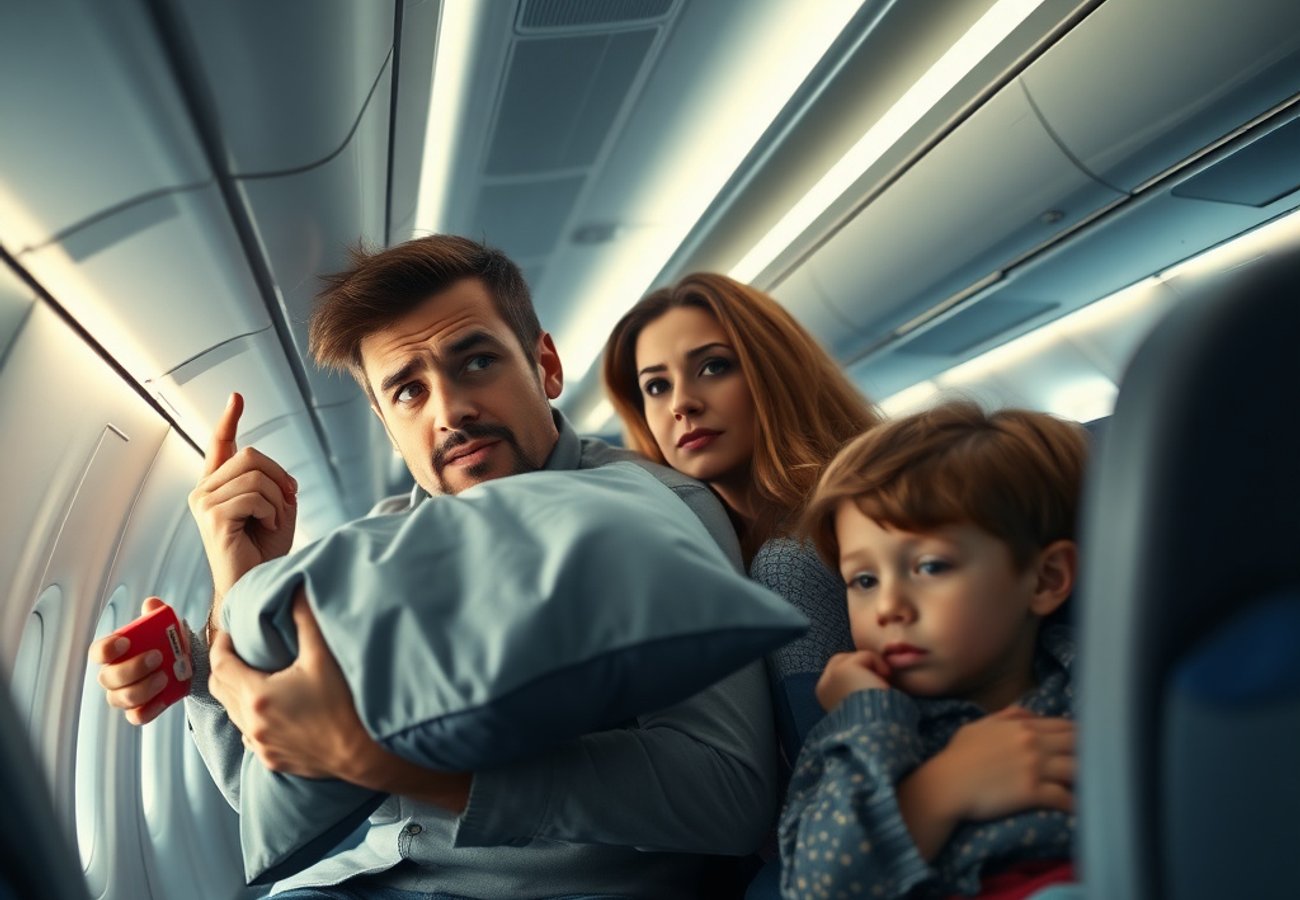
Image generated by AI
[Atlanta, July 16, 2026] — A dispute over passenger comfort and safety regulations has surfaced after a Delta Air Lines traveler alleged that a crew member incorrectly referenced Federal Aviation Administration (FAA) mandates to prohibit the use of an inflatable travel pillow. The incident, reported on July 13, underscores the ongoing tension between individual passenger comfort on long-haul flights and strict carrier-imposed safety protocols.
The traveler, who frequently flies overseas for professional obligations including routes exceeding 15 hours, described the inflatable device as a "life saver" for sleeping while seated in economy cabins. According to the report shared via a dedicated aviation community on Reddit, the passenger was abruptly woken by a flight attendant who informed them that the pillow was prohibited under FAA rules. When the passenger sought clarification, the crew member allegedly claimed that such inflatable devices are known to explode.
Discrepancy Between FAA Regulations and Airline Policy
Industry data and regulatory guidelines confirm that the Federal Aviation Administration does not maintain a specific ban on inflatable travel pillows. While the crew member in this instance cited federal law, the restriction is actually a corporate policy specific to Delta Air Lines.
The passenger expressed frustration over the interaction, noting that the pillow in question featured a quick-release valve specifically designed to prevent pressure buildup, rendering the "explosion" claim unfounded. The traveler questioned the practicality of the ban, noting that the standard pillows provided by the airline are often insufficient for the physical demands of ultra-long-haul travel.
Delta Air Lines Comfort Item and Device Restrictions
The Atlanta-based carrier reaffirmed its stance on prohibited cabin items in late 2025. Delta maintains a comprehensive list of "Comfort Items and Personal Devices" that are barred from use during flights to ensure cabin safety and unobstructed egress during emergencies.
The airline's policy is based on several safety criteria. Items are prohibited if they block aisles, create trip hazards, attach to the aircraft structure, or impede access to emergency equipment such as oxygen masks and fire extinguishers.
The following table details the specific categories of prohibited items as outlined by the carrier:
| Prohibited Criteria | Specifically Banned Items |
|---|---|
| Block aisles, footwells, or create trip hazards | Inflatable devices (wedges, cubes, beds) |
| Attach to the aircraft (seats or windows) | Knee defenders and seat recline blockers |
| Extend into other customers’ seating areas | Foot hammocks and slings |
| Have non-compliant lithium-ion batteries | Window and tray table organizers |
| Block access to safety equipment | Pods and tents |
| Create safety risks as determined by Delta | Full-head helmets |
Passenger Reactions and Industry Comparisons
Following the public disclosure of the event, other travelers and aviation observers noted that while the crew member's attribution to the FAA was inaccurate, the airline possesses the legal authority to ban items for operational safety.
Several community members pointed out that bulky inflatable pillows can impede emergency evacuations, particularly in aisle seats. One observer noted that such items are typically only tolerated in window or middle seats on airlines that do not have an explicit ban, as they do not obstruct the primary path of egress.
In contrast to Delta's explicit ban, other major U.S. carriers maintain more flexible or vague policies:
- American Airlines: The carrier states that comfort items such as seat cushions, armrests, or footrests may be required to be checked if cabin space is limited.
- United Airlines: The airline prohibits any item secured to a seat that obstructs exit access or protrudes into the aisle, but does not list inflatable pillows as a blanket prohibited item.
Impact Analysis of Cabin Safety Policies
The incident highlights a significant communication gap between airline corporate policy and the frontline execution by cabin crew. When crew members misattribute company rules to federal law, it can lead to passenger distrust and legal confusion regarding passenger rights.
From an operational standpoint, the ban on "wedges, cubes, and beds" is aimed at maintaining a clear path for both crew and passengers during turbulence or emergency evacuations. However, the use of "exploding" as a justification suggests a lack of standardized training on the specific risks associated with these products, as the primary risk is obstruction, not combustion.
Why This Matters: The Shift Toward Cabin Control
This conflict reflects a broader trend in the aviation industry where carriers are aggressively reclaiming control over the "passenger environment." As travelers increasingly bring third-party ergonomic aids—such as knee defenders and inflatable pods—to combat the discomfort of economy seating, airlines are responding with stricter prohibitions to minimize liability and ensure safety compliance.
The "Information Gain" in this scenario is the realization that "FAA approved" does not mean "Airline allowed." Passengers often mistakenly believe that if a product is legal to carry on a plane, it is legal to use. In reality, the contract of carriage grants airlines wide latitude to ban specific behaviors or items that they deem a safety risk, regardless of whether a federal law exists. For the frequent long-haul traveler, this means that reliance on a single type of comfort amenity is risky; verifying the specific "Comfort Item" list of a carrier before departure is now as essential as checking baggage weight limits.
Delta Air Lines did not provide a formal response to the specific incident at the time of reporting.
Related Travel Guides
Disclaimer
This article is for informational and educational purposes only. It does not constitute legal, financial, or professional advice. While we strive to provide accurate and up-to-date information, travel policies, regulations, and conditions change rapidly. Always verify information with official sources before making travel decisions. Nomad Lawyer makes no representations about the accuracy, reliability, completeness, or suitability of the information provided. Readers should consult qualified professionals for advice specific to their circumstances. The views expressed in this article are those of the author and do not necessarily reflect the views of Nomad Lawyer.
Kunal K Choudhary
Co-Founder & Contributor
A passionate traveller and tech enthusiast. Kunal contributes to the vision and growth of Nomad Lawyer, bringing fresh perspectives and driving the community forward.
Learn more about our team →