
Delta Boeing 717 Tire Blowout Mistaken for Engine Failure During Louisville Takeoff
Breaking airline news and aviation industry updates for 2026.

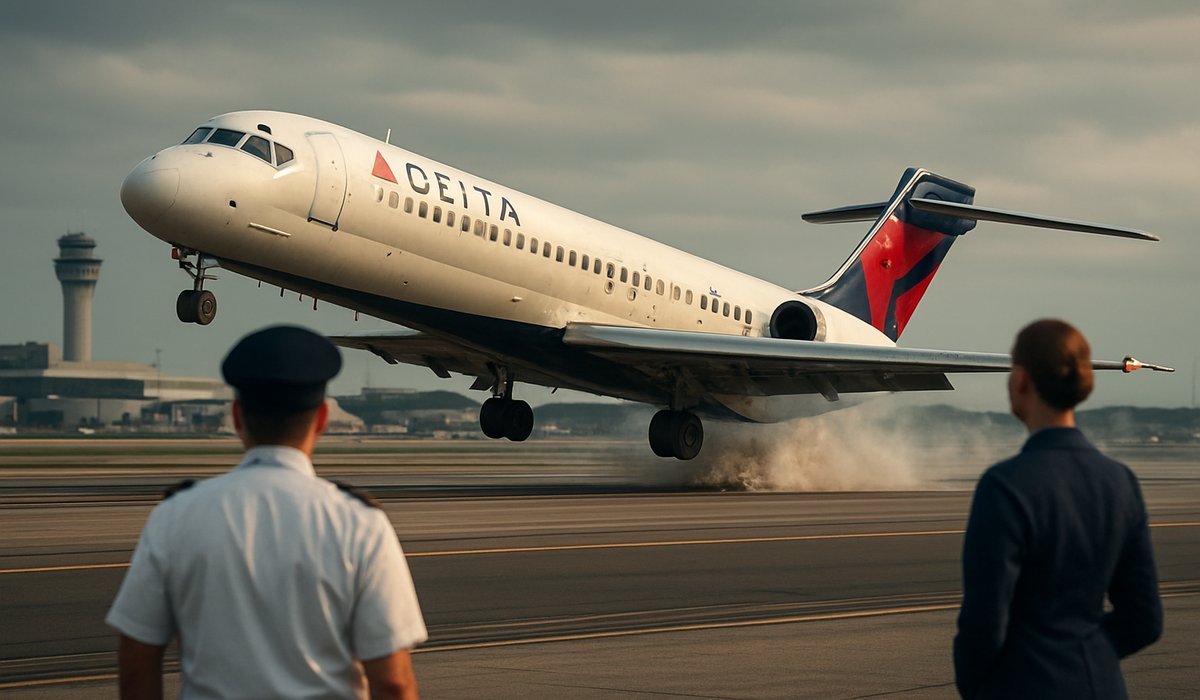
Image generated by AI
Delta Boeing 717 Tire Blowout Mistaken for Engine Failure During Louisville Takeoff
Pilots abort flight after misdiagnosis reveals critical gap in aircraft emergency response protocols
Takeoff Emergency Triggers False Engine Alarm
A Delta Air Lines Boeing 717-200 aircraft experienced a catastrophic tire failure during takeoff from Louisville Muhammad Ali International Airport on April 26, but flight crews initially believed the aircraft had suffered a compressor stall—a potentially catastrophic engine malfunction. The misidentification highlights an ongoing challenge in aviation emergency procedures, where mechanical failures can produce deceptively similar warning signals to pilots in the critical moments following departure.
Flight DAL2801, operating with aircraft registration N899AT, was in its takeoff roll when the tire suddenly ruptured. Reacting to the vibrations and noise generated by the failure, the flight crew made the prudent decision to abort their departure and return to the airport. The incident occurred without reported injuries to the 100+ passengers and crew members aboard.
Why Pilots Misidentified the Emergency
The confusion between tire failure and engine malfunction is not uncommon in aviation. When an aircraft tire disintegrates at high speed during takeoff—when landing gear is still extended and aircraft are accelerating toward rotation speed—the resulting vibrations and acoustic signatures can closely mimic the symptoms of a compressor stall within jet engines. Both phenomena generate violent vibrations throughout the airframe and produce similar warning indicators on flight deck instruments.
This misdiagnosis underscores a persistent challenge for commercial pilots: distinguishing between multiple simultaneous system failures when diagnostic information arrives within milliseconds. Aircraft designers and training programs continue refining protocols to improve crew recognition of mechanical versus engine-related emergencies.
Broader Safety Implications for Aviation Industry
Delta's incident reflects the continuous refinement of aviation safety protocols across the industry. While tire failures represent a statistically rare occurrence in modern commercial aviation, their potential consequences—including uncontrolled aircraft behavior, brake overheating, and structural damage—demand rapid, accurate crew response.
The incident raises questions about pilot training simulation scenarios and whether current curricula adequately prepare crews to distinguish between landing gear failures and propulsion system emergencies. Airlines and the Federal Aviation Administration regularly review such incidents to enhance training programs and standardized emergency procedures.
Delta's Response
Delta Air Lines confirmed the incident and stated that all passengers were accommodated on alternative flights. The airline's maintenance team inspected the aircraft and documented the tire failure for investigation by aviation safety authorities.
Frequently Asked Questions
What causes aircraft tires to blow out during takeoff? Aircraft tires experience extreme stress during takeoff acceleration, carrying the full weight of the aircraft at high speeds. Manufacturing defects, overloading, improper inflation, or foreign object damage can trigger sudden failure.
How do pilots distinguish between tire failure and engine problems? Modern aircraft provide multiple diagnostic systems, but in the immediate aftermath of failure, vibration patterns and warning lights can be ambiguous. Comprehensive pilot training emphasizes recognizing distinctive characteristics of each emergency type.
Is a tire blowout dangerous for commercial aircraft? While disconcerting, modern aircraft are engineered with redundant safety systems. Pilots can safely land with compromised landing gear, though they must declare an emergency to access specialized ground support and foam-equipped runways.
How often do commercial aircraft experience tire failures? Tire failures are statistically uncommon in modern commercial aviation due to rigorous maintenance protocols, quality manufacturing, and enhanced inspection procedures mandated by aviation authorities.
What changes might result from this Delta incident? Airlines may review and enhance pilot training scenarios, upgrade diagnostic systems, and refine emergency procedure guidelines based on investigative findings and industry recommendations.
Related Travel Guides
Flight Delay Compensation Guide 2026
Understanding Airline Route Changes
Airport Security Process Updated (2026)
External Resources
Disclaimer: Airline announcements, route changes, and fleet information reflect official corporate communications as of April 2026. Schedules, aircraft specifications, and service details remain subject to airline modifications.
Preeti Gunjan
Contributor & Community Manager
A passionate traveller and community builder. Preeti helps grow the Nomad Lawyer community, fostering engagement and bringing the reader experience to life.
Learn more about our team →