
Revolutionary Business Class Cabins Set to Transform Long-Haul Aviation in 2026
Breaking airline news and aviation industry updates for 2026.

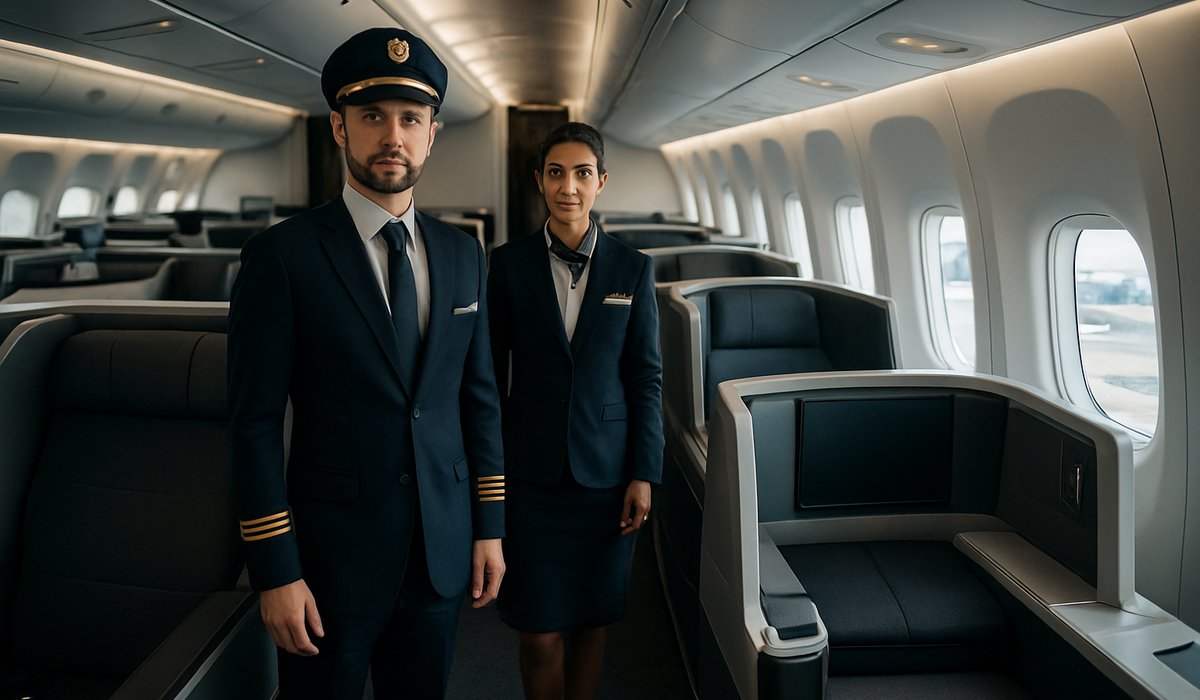
Image generated by AI
Revolutionary Business Class Cabins Set to Transform Long-Haul Aviation in 2026
Global carriers deploy cutting-edge premium products as fierce competition reshapes the future of international travel
Airlines Accelerate Premium Cabin Innovation Amid Market Pressures
The global aviation industry is entering a transformative phase, with carriers spanning North America, Europe, the Middle East, and Asia-Pacific aggressively modernizing their business class offerings to capture premium travel demand. Major international airlines are either launching entirely new cabin products or retrofitting their long-haul fleets with state-of-the-art seating systems, signaling a pivotal shift in how premium passengers will experience intercontinental travel through 2026.
This competitive escalation reflects broader trends in the aviation sector, where carriers must differentiate themselves beyond basic service metrics. As fuel costs stabilize and route economics become increasingly scrutinized, airlines recognize that premium cabin revenues—typically generating 50-60% of long-haul operating profits—remain critical to financial recovery and competitive positioning.
New Products Entering Service This Year
Several carriers have already introduced next-generation business class products to their fleets in 2024, while additional airlines are scheduled to deploy revolutionary cabin designs across new and retrofitted aircraft throughout the coming years. These innovations focus on enhanced passenger ergonomics, expanded personal space, integrated technology platforms, and luxury amenities designed to justify premium pricing in an environment where premium leisure travelers increasingly scrutinize value propositions.
Strategic Implications for Industry Competition
The acceleration of business class modernization reflects intensifying rivalry among global carriers seeking to capture market share from competitors. Airlines operating transcontinental routes—particularly between major hubs in the United States, Europe, the Middle East, and Australia—face mounting pressure to upgrade premium offerings or risk losing high-value corporate and leisure customers to better-equipped competitors.
Industry analysts note that these cabin investments represent significant capital commitments, with individual retrofit programs often exceeding tens of millions of dollars per aircraft. However, carriers justify these expenditures based on projected revenue premiums, with premium seats typically commanding 5-15% ticket price increases compared to standard offerings.
Impact on Premium Travel Economics
The competitive dynamics driving business class innovation have broader implications for premium ticket pricing, ancillary revenue structures, and airline profitability margins. As carriers invest in differentiated products, premium passengers may encounter varied pricing models, loyalty incentives, and service packages across global routes—ultimately fragmenting the once-standardized premium travel experience.
Frequently Asked Questions
What is driving airlines to upgrade business class cabins in 2026? Intense global competition, demand for enhanced passenger comfort, and the need to justify premium pricing in an increasingly cost-conscious market are pushing carriers to modernize their premium products.
Which regions are seeing the most significant business class innovations? North America, Europe, the Middle East, and Asia-Pacific carriers are leading the modernization push, as these routes command the highest premium travel volumes and corporate spending.
How do new business class cabins affect airline profitability? Premium cabins generate disproportionate revenues relative to seat count; enhanced products justify higher ticket prices, potentially increasing per-passenger margins by 5-15%.
Will business class upgrades impact long-haul ticket prices? Modernized premium cabins may support sustained or elevated premium pricing, though corporate travel negotiation dynamics will ultimately determine actual fare trajectories.
What technologies are featured in next-generation business class products? Emerging cabins integrate advanced entertainment systems, enhanced connectivity, ergonomic seating mechanisms, and personalized ambient lighting designed to maximize passenger comfort and differentiation.
Related Travel Guides
Flight Delay Compensation Guide 2026
Understanding Airline Route Changes
Airport Security Process Updated (2026)
External Resources
Disclaimer
This article is for informational and educational purposes only. It does not constitute legal, financial, or professional advice. While we strive to provide accurate and up-to-date information, travel policies, regulations, and conditions change rapidly. Always verify information with official sources before making travel decisions. Nomad Lawyer makes no representations about the accuracy, reliability, completeness, or suitability of the information provided. Readers should consult qualified professionals for advice specific to their circumstances. The views expressed in this article are those of the author and do not necessarily reflect the views of Nomad Lawyer.
Preeti Gunjan
Contributor & Community Manager
A passionate traveller and community builder. Preeti helps grow the Nomad Lawyer community, fostering engagement and bringing the reader experience to life.
Learn more about our team →