
Delays Snarl Flights at Philadelphia in April 2026, Cascade Across Northeast Hub
Philadelphia International Airport's 64 flight delays and two cancellations on April 11, 2026 rippled across Northeast markets. American, Spirit, and Frontier airlines faced operational strain affecting New York and Boston itineraries during peak spring travel.

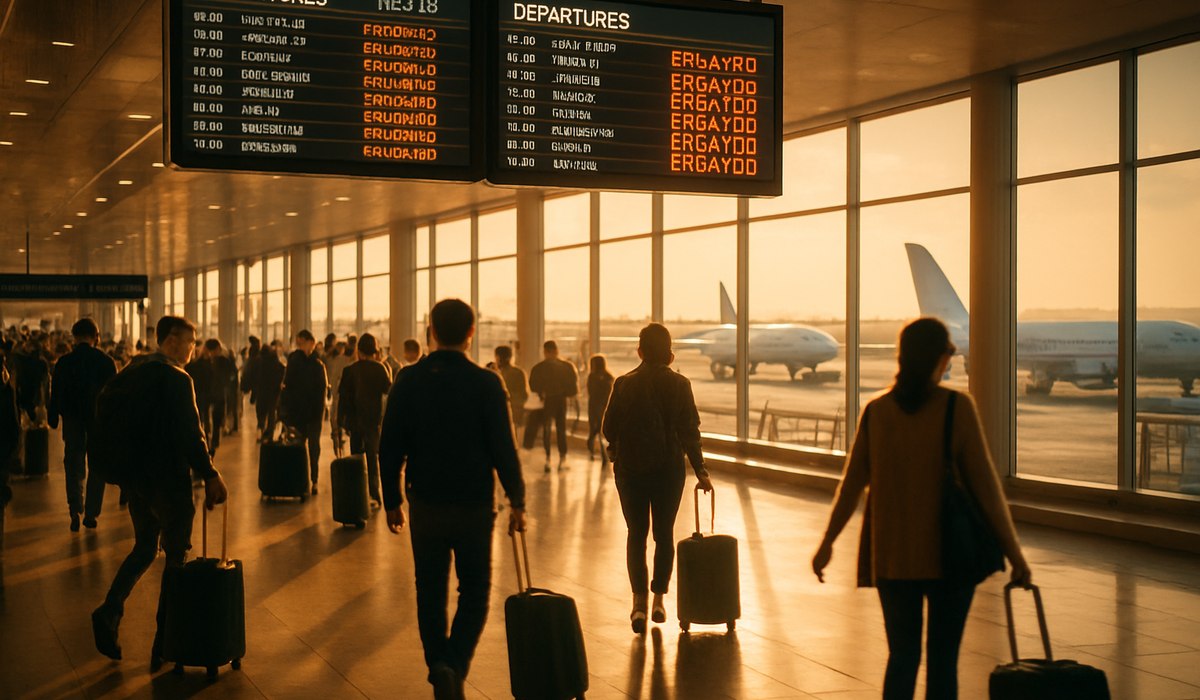
Image generated by AI
Philadelphia's Bottleneck: 64 Delays Cascade Across Northeast
Philadelphia International Airport encountered significant operational disruption on April 11, 2026, with flight tracking data revealing 64 delays and two cancellations affecting American Airlines, Spirit Airlines, and Frontier Airlines operations. This localized bottleneck at the Pennsylvania hub rippled through the entire Northeast corridor, disrupting travel plans for thousands of passengers connecting through New York and Boston airports. The concentrated disruption demonstrated how mid-sized hub delays amplify systemic strain during peak travel periods. When a single airport experiences substantial delays, the effects extend far beyond its immediate service area, cascading through regional networks and stranding passengers across multiple time zones.
The April 11 disruption underscored the fragile equilibrium maintained at major East Coast hubs. With tight schedules, limited gate availability, and crews cycling through congested airspace, even a single day of significant delays can trigger a domino effect throughout the Northeast corridor. Passengers reported extended layovers, missed connections, and rebookings to later flights already operating near capacity.
System-Wide Strain: April 11 Disruptions Across Major U.S. Hubs
April 11, 2026 marked another challenging day for the U.S. air travel system, with operational data indicating several thousand delays nationwide. Major hubs from Atlanta to the New York region were already operating under pressure from tight spring schedules and elevated travel demand before Philadelphia's disruptions compounded the problem.
The broader context reveals how weather systems and traffic management initiatives along the Eastern Seaboard left carriers with minimal operational flexibility. Philadelphia's 64 delays and two cancellations, while concentrated at a single airport, represented just one node in a system-wide strain affecting connectivity across the nation. Industry analysis shows that April's early-spring travel surge collided with weather complexity, leaving little room for recovery when disruptions occurred.
For nomadic professionals and remote workers relying on predictable flight schedules, this type of system-wide strain creates substantial complications. Business continuity and project deadlines become vulnerable when flight disruptions cascade across multiple hubs. Travelers should monitor FlightAware real-time tracking during high-demand travel periods to anticipate potential delays before they occur.
Connecting Hub Impact: How Local Delays Propagate Regional Disruptions
Philadelphia International Airport functions as a critical connecting node for domestic traffic throughout the Northeast. The airport's position in the regional network means that even modest delay increases can cascade into missed connections and extended travel times across New York, Boston, and secondary markets.
When aircraft and crews cycle through congested gates and constrained airspace, departure delays automatically create arrival delays at downstream hubs. Passengers booked on Philadelphia connections to New York area airports and Boston Logan experienced compounding disruptions as their inbound flights arrived late, forcing rebooking onto already-full later services.
The interconnected nature of East Coast operations amplifies localized problems. New York area airports (including LaGuardia, Newark, and JFK) and Boston Logan had already been operating with elevated delay levels before Philadelphia's disruptions. Adding hundreds of late-arriving passengers and aircraft to these already-strained airports reduced recovery options substantially. Regional interdependence meant that travelers faced limited alternatives when their original connections became impossible.
Travel analysts emphasize that mid-sized hub disruptions like Philadelphia's April 11 event often reveal systemic vulnerabilities in network design. When one airport experiences concentrated delays, secondary markets without alternative routing options suffer disproportionately.
Airlines Affected: American, Spirit, and Frontier Operations
American Airlines, Spirit Airlines, and Frontier Airlines bore the brunt of Philadelphia's April 11 operational challenges. American, as the dominant legacy carrier at Philadelphia, accounted for a substantial portion of the 64 delayed operations. The carrier's extensive network from the airport meant that delays propagated quickly across its East Coast schedule.
Spirit and Frontier, operating as ultra-low-cost carriers with smaller but growing Philadelphia footprints, also registered significant delays. Both carriers maintain tight turnarounds and dense schedules, making them particularly vulnerable to cascading disruptions. Low-cost carrier operational models rely on precise timing and aircraft utilization, so even single-day disruptions create substantial downstream effects.
The combination of one major network airline and multiple ultra-low-cost carriers at Philadelphia created operational strain. Gate space competition, pushback slot availability, and crew scheduling became increasingly constrained during peak morning and evening departure banks. American's shuttle-style routes and Spirit/Frontier's leisure-focused schedules both suffered disruption.
For passengers, this concentration among three major carriers meant limited alternative routing options. Rebooking onto competing carriers often proved impossible, forcing travelers onto later flights on the same airline or alternative dates. Check the FAA's official guidance on operational disruptions for current information about system-wide challenges.
Live Flight Tracking and Real-Time Updates
Passengers seeking immediate information about April 11's disruptions accessed real-time tracking through FlightAware, which provided minute-by-minute departure and arrival data throughout the day. The platform's tracking capabilities proved essential for travelers attempting to understand whether their flights remained on schedule or faced delays.
Flight tracking dashboards showed that delays initially concentrated at Philadelphia but progressively affected flights departing from the airport between 10 a.m. and midnight. The peak disruption window corresponded with afternoon and evening departure banks when flight frequencies reached maximum capacity.
Travelers monitoring flight status through FlightAware, airline websites, and airport information systems could identify delays before arriving at the airport, enabling rerouting decisions and alternative travel planning. Real-time tracking remains an essential tool during operational disruptions, particularly for business travelers and those with tight connections.
Traveler Action Checklist
If you're affected by regional flight disruptions like those experienced on April 11, follow these steps to protect your travel plans and passenger rights:
-
Monitor flight status immediately using FlightAware or your airline's official app at least two hours before departure.
-
Contact your airline directly through their customer service line rather than relying solely on airport information, as representatives can offer rebooking options immediately.
-
Document all communications with airlines, including confirmation numbers, agent names, dates, and times of interactions for potential compensation claims.
-
Request written delay statements from airline representatives before leaving the airport, as these documents support future compensation applications under DOT regulations.
-
Review your passenger rights through the U.S. Department of Transportation's official consumer guide to understand eligibility for reimbursement.
-
Explore alternative routing options across all carriers serving your destination, including connecting flights through less congested hubs.
-
Photograph your boarding pass and delay notices as evidence for potential compensation claims or expense reimbursement requests.
-
File complaints with the DOT if you experience delays exceeding three hours or cancellations without adequate rebooking options, creating an official record for your claim.
Key Data Table: April 11 Disruption Metrics
| Metric | Value | Impact |
|---|---|---|
| Total Delays at Philadelphia | 64 | Cascade effect across Northeast |
| Cancellations | 2 | Passenger rebooking required |
| Primary Affected Airlines | American, Spirit, Frontier | Limited alternative carrier options |
| Secondary Market Impact | New York, Boston | Extended layovers, missed connections |
| Peak Disruption Window | Afternoon-evening bank | Maximum frequency congestion |
| System-Wide U.S. Delays | Several thousand | Nationwide operational strain |
| Regional Interdependence Factor | High | Amplified cascading effects |
What This Means for Travelers
The Philadelphia disruption on April 11, 2026 illustrates
Disclaimer
This article is for informational and educational purposes only. It does not constitute legal, financial, or professional advice. While we strive to provide accurate and up-to-date information, travel policies, regulations, and conditions change rapidly. Always verify information with official sources before making travel decisions. Nomad Lawyer makes no representations about the accuracy, reliability, completeness, or suitability of the information provided. Readers should consult qualified professionals for advice specific to their circumstances. The views expressed in this article are those of the author and do not necessarily reflect the views of Nomad Lawyer.
Preeti Gunjan
Contributor & Community Manager
A passionate traveller and community builder. Preeti helps grow the Nomad Lawyer community, fostering engagement and bringing the reader experience to life.
Learn more about our team →