
Iran Conflict Snarl Drives Oil to $200, Cripples Philadelphia Airport Flights
Philadelphia International Airport faces unprecedented delays as Iran conflict snarl closes Strait of Hormuz, sending crude toward $200/barrel in 2026. Airlines scramble to reroute transatlantic and Gulf-bound flights amid fuel cost surge.

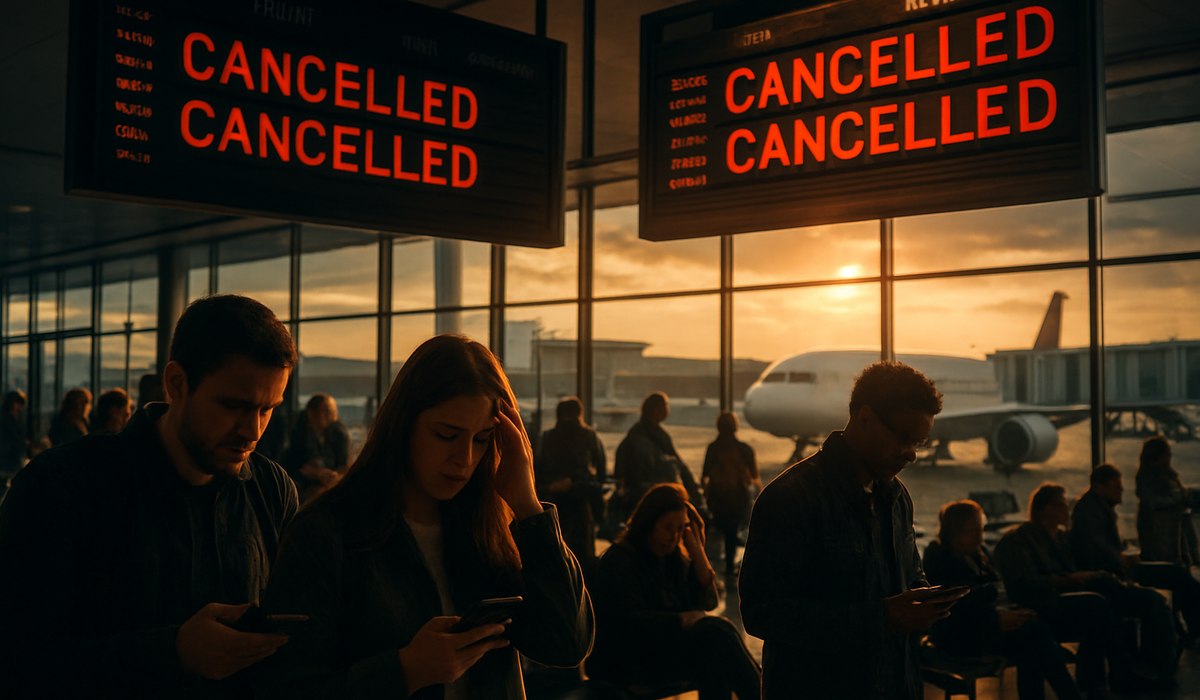
Image generated by AI
Philadelphia Airport Faces Historic Disruption as Iran Conflict Snarl Triggers Global Energy Crisis
Philadelphia International Airport is experiencing its worst operational disruption in years as geopolitical tensions in the Middle East collide with aviation logistics. A fast-developing Iran conflict snarl centered on the Strait of Hormuz has effectively choked one of the world's most critical oil supply channels, sending crude prices toward $200 per barrel and forcing global airlines to completely restructure schedules. The airport, a major transatlantic and domestic connector, is bearing the brunt of cascade effects as carriers prioritize profitable routes while shedding capacity on secondary international gateways. Thousands of passengers face delays exceeding 12 hours, cancellations, and involuntary rebooking amid real-time schedule overhauls.
Energy Shock Cascades Into Aviation Disruption
The geopolitical escalation began in late February 2026 when coordinated military strikes on Iranian targets triggered a swift Iranian response to restrict maritime traffic through the Strait of Hormuz. This critical waterway normally carries approximately 20 percent of the world's seaborne oil supply. The near-total closure has created an unprecedented supply shock, with global crude benchmarks testing $200 per barrel as risk premiums spike.
Regional banks and energy consultancies now forecast that the iran conflict snarl will persist well into summer 2026. Alternative routing through the Red Sea and Suez Canal remains below pre-2024 capacity due to ongoing regional instability, compounding transit delays and freight costs. Airlines face dual pressures: soaring jet fuel expenses at spot markets and mandatory aircraft rerouting to avoid high-risk airspace near the Persian Gulf.
According to FlightAware, transatlantic and Gulf-bound departures from Philadelphia have experienced an average delay of 3.5 hours, with some flights cancelled entirely. The financial impact on carriers is severe, with some reporting single-day fuel cost increases exceeding $2 million per aircraft type.
Hormuz Closure Compounds Supply Chain Crisis
The Strait of Hormuz crisis represents a structural, not cyclical, disruption to global energy markets. Refineries worldwide have begun competing aggressively for non-Hormuz crude, driving tanker charter rates to multiyear highs. This constraint cascades directly into aviation fuel pricing, where jet fuel spot prices have jumped 35 percent in two weeks.
Philadelphia-based carriers including American Airlines and Spirit Airlines have issued advisories acknowledging extended flight times on European routes due to mandatory detours around contested airspace. Aircraft normally transiting direct routes over Iraq and the Gulf now require southerly deviations that add 45 minutes to flight duration and increase fuel consumption by 8–12 percent.
The supply chain disruption extends beyond fuel pricing. Maintenance hubs in the UAE and Qatar have reduced operating hours due to economic uncertainty, creating bottlenecks in aircraft turnaround schedules. Spare parts shipments via air cargo have experienced delays, forcing airlines to ground backup aircraft temporarily.
Consulting firm Rystad Energy projects that even if Hormuz partially reopens, elevated insurance costs, damaged terminal infrastructure, and lingering geopolitical risk will keep fuel surcharges in place through Q4 2026, locking major carriers into a permanently elevated cost structure during peak summer travel season.
Airlines Face Soaring Fuel Costs and Route Detours
Major carriers serving Philadelphia have responded to the iran conflict snarl with aggressive operational restructuring. Several airlines are consolidating multiple daily flights into fewer departures, reducing seat inventory on international routes by 15–20 percent. This consolidation follows a financial calculus: at current fuel prices, secondary transatlantic routes operate at losses despite full passenger loads.
Some carriers are implementing aggressive "tankering" strategies, loading supplemental fuel at US airports where supply is secure and pricing is lower. While this reduces exposure to high-cost refueling at intermediate hubs, it increases aircraft weight, reducing available payload by 8–15 seats per flight. Passengers report instances where connecting itineraries collapsed when upstream transatlantic legs were cancelled with only 24 hours' notice.
According to the FAA and real-time tracking via FlightAware, Philadelphia International has implemented ground stops and rolling traffic management initiatives to manage fuel-constrained operations. Aircraft availability remains constrained because carriers are repositioning jets toward higher-yield domestic routes and consolidating European schedules at fewer hubs.
Check-in queues at Terminal C and Terminal D have extended to 90+ minutes even for domestic flights, as airline staff manage involuntary rebooking of passengers whose original connections have been disrupted. The airport has activated emergency passenger assistance centers and deployed additional customer service agents.
What Nomadic Professionals and Remote Workers Should Know
The iran conflict snarl directly impacts business and leisure travelers planning international mobility in May–September 2026. Extended flight times mean conferences and meetings across the Atlantic now require an additional 1–2 hours of transit buffer time. Fuel surcharges, temporarily waived during the pandemic, are now resurfacing on international tickets with increases of $50–$150 per passenger.
For remote workers and digital nomads, the disruption creates uncertainty around visa-run itineraries and recurring transatlantic commutes. Several European low-cost carriers have suspended or consolidated Philadelphia routes, reducing competitive pressure on fares. Ticket prices on surviving routes have increased 12–18 percent versus equivalent bookings from New York and Boston, making Philadelphia a less economical departure hub temporarily.
The duration of these disruptions remains unpredictable. If the Strait of Hormuz remains contested beyond June, airlines may reduce summer capacity permanently, leading to higher yields (and prices) for months. Conversely, a swift diplomatic resolution could normalize fuel markets within 2–3 weeks, though infrastructure damage in the Gulf would likely keep prices elevated for several additional months.
Traveler Action Checklist
-
Check flight status immediately via FlightAware or your airline's mobile app before departing for the airport; delays of 3–4 hours are routine.
-
Arrive 3 hours early for international departures from Philadelphia; check-in queues are extending beyond normal 2-hour recommendations.
-
Confirm seat assignments and baggage allowances directly with your airline; weight restrictions related to fuel tankering may affect luggage policies without notice.
-
Request rebooking alternatives proactively if your flight is delayed or cancelled; airline staff are overwhelmed with phone calls and chat requests.
-
Document delays and cancellations with boarding pass images and airline communications; you may qualify for compensation under US DOT regulations.
-
Consider itinerary adjustments that avoid Philadelphia International temporarily; New York (JFK, EWR) and Boston (BOS) are experiencing lower disruption levels.
-
Book flexible, refundable fares when purchasing transatlantic tickets through August 2026; airline operational uncertainty is elevated.
-
Monitor geopolitical news via Reuters, AP, and Bloomberg; major escalation in the Persian Gulf could trigger additional flight restrictions.
| Metric | Current Status (May 9, 2026) | Impact on Passengers |
|---|---|---|
| Crude Oil Price | $198–202/barrel | Jet fuel surcharges rising; ticket prices up 12–18% |
| Strait of Hormuz Flow | 85% restricted | Alternative routes (Red Sea, pipeline) operate at 60% capacity |
| Philadelphia Avg. Delay | 3.5 hours (international |
Disclaimer
This article is for informational and educational purposes only. It does not constitute legal, financial, or professional advice. While we strive to provide accurate and up-to-date information, travel policies, regulations, and conditions change rapidly. Always verify information with official sources before making travel decisions. Nomad Lawyer makes no representations about the accuracy, reliability, completeness, or suitability of the information provided. Readers should consult qualified professionals for advice specific to their circumstances. The views expressed in this article are those of the author and do not necessarily reflect the views of Nomad Lawyer.
Preeti Gunjan
Contributor & Community Manager
A passionate traveller and community builder. Preeti helps grow the Nomad Lawyer community, fostering engagement and bringing the reader experience to life.
Learn more about our team →