
Delays Snarl Flights at Minneapolis–St Paul Hub in April 2026
Minneapolis–St Paul International Airport experienced significant operational disruptions on April 11, 2026, with 45 delayed flights and 3 cancellations affecting major US connections through Delta, Endeavor Air, and Sun Country Airlines.

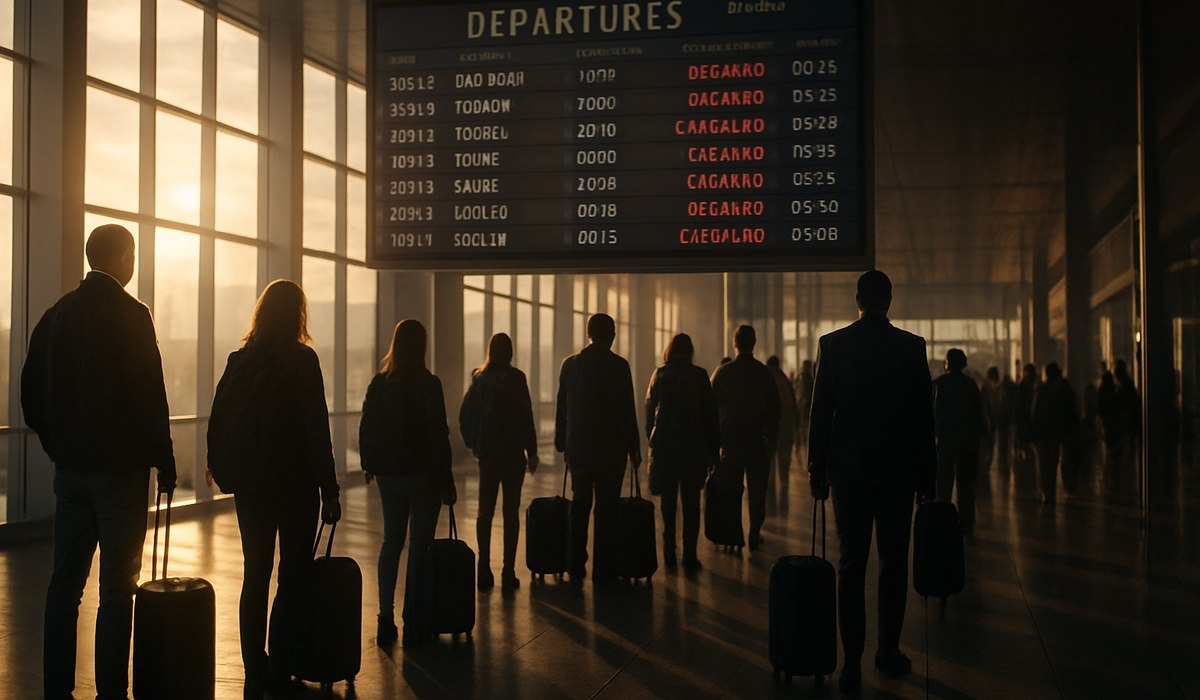
Image generated by AI
Minneapolis–St Paul Airport Hit by 45 Delays and 3 Cancellations
Minneapolis–St Paul International Airport ground to a halt on April 11, 2026, as operational disruptions cascaded through one of the Upper Midwest's busiest aviation hubs. The airport logged 45 delayed departures and three flight cancellations affecting regional carriers Endeavor Air and Sun Country Airlines, alongside mainline Delta operations. The cascading disruptions severed critical connections to Chicago, New York, Atlanta, and other major US destinations, stranding thousands of passengers and triggering widespread rebooking efforts across the national network.
The scope of disruption at Minneapolis–St Paul represents a significant operational challenge for travelers relying on the airport as a connecting point between regional markets and coastal destinations. As a primary hub linking the Upper Midwest to major coastal gateways, any delays snarl flights across multiple downstream airports and competing carriers.
Disruptions Concentrated at Major Midwestern Hub
Minneapolis–St Paul International Airport occupies a critical position in the US aviation network as the dominant connecting point for Upper Midwest traffic. On April 11, the airport became the focal point of a larger pattern of systemwide flight disruptions affecting dozens of US airports simultaneously.
Operational data tracking nationwide airline performance throughout the day revealed Minneapolis–St Paul among the most significantly impacted Midwestern hubs. The combined total of 45 flight delays and three cancellations represents a substantial operational setback for a single-day incident at the facility, which typically handles more than 600 daily flights across all carriers.
The airport's role as a hub amplifies the impact of local disruptions. When aircraft arrive late at Minneapolis–St Paul, crew scheduling constraints cascade into downstream delays at connecting hubs. Aircraft rotations that depend on timely Minneapolis departures suffer compression, forcing airlines to extend subsequent flight times or skip scheduled stops entirely.
Industry disruption tracking from the Federal Aviation Administration shows Minneapolis–St Paul experiencing elevated delay counts relative to other Midwestern airports on April 11, suggesting airport-specific operational challenges rather than widespread weather phenomena affecting the entire region. Readers can monitor real-time flight status and delay information through FlightAware, which provides minute-by-minute updates on airport operations.
Ripple Effects on Regional and Coastal Routes
The Minneapolis–St Paul International Airport delays extended far beyond Minnesota, creating a domino effect across the national aviation network. Passengers holding connections through Chicago O'Hare, Atlanta Hartsfield-Jackson, and New York area airports faced extended layovers or complete itinerary disruptions as late arrivals from Minneapolis compressed connection windows.
Sun Country Airlines, which maintains Minneapolis–St Paul as its primary operational base and hub, absorbed significant operational pressure. The carrier reported multiple delayed departures linking Upper Midwest regional routes to coastal destinations. Passengers booked on Sun Country flights experienced cascading delays as inbound aircraft struggled to maintain published departure times.
Connections through Chicago ranked among the most heavily affected downstream consequences. The nation's second-largest hub already contended with elevated arrival demand during the afternoon banking window when most Minneapolis flights arrive. Late departures from Minneapolis created compression during critical banking periods, forcing controllers to implement ground delays for arriving flights and slot restrictions on departing aircraft.
Atlanta Hartsfield-Jackson similarly experienced secondary effects. Mainline Delta operations routing through Atlanta for Southeast and Florida connections suffered when Minneapolis-based flights missed planned arrival slots. Federal Aviation Administration ground delay programs implemented during the afternoon further complicated recovery efforts.
New York area airports including LaGuardia, Newark, and John F. Kennedy contended with additional pressure from delayed Minneapolis connections. Evening departure banks already strained by typical congestion became compressed when afternoon arrivals from Minneapolis fell behind schedule, limiting recovery capacity.
Carrier Performance and Operational Challenges
Endeavor Air emerged as the carrier most heavily impacted by April 11 disruptions at Minneapolis–St Paul. The regional carrier, which operates the majority of Delta Connection service throughout the Upper Midwest and Northeast, reported multiple cancellations alongside dozens of delayed flights originating from or routing through the airport.
Endeavor Air's operational challenges reflect the vulnerability of regional carriers to hub-based disruptions. As a contractor operating mainline Delta flights, Endeavor depends entirely on smooth aircraft rotations through major hubs. When Minneapolis operations deteriorated, available aircraft for subsequent flights compressed rapidly, forcing schedule reductions.
Delta maintained a larger buffer against absolute cancellation rates due to its extensive fleet and flexible routing options. However, the carrier's hub-and-spoke network meant even modest disruptions at Minneapolis cascaded through competing operations at other hubs. Delta flights routing through Minneapolis to Atlanta, Boston, and New York experienced schedule delays that extended their domino effects across the evening operation.
Sun Country Airlines absorbed operational pressure proportionate to its Minneapolis-based asset positioning. As a carrier with no significant backup hub capacity outside Minneapolis–St Paul, disruptions at the primary base limited operational flexibility. Sun Country reported several delayed departures and limited cancellations, reflecting tactical decisions to delay service rather than cancel flights entirely.
Comprehensive airline performance data available through the U.S. Department of Transportation reveals that regional carriers historically experience higher delay and cancellation percentages than mainline operators during disruption events. Endeavor Air's elevated impact on April 11 reflects this pattern, as the carrier absorbed disproportionate schedule pressure while distributing traffic for larger mainline jets on longer routes.
Impact on Digital Nomads and Business Travelers
The Minneapolis–St Paul disruptions created acute challenges for digital nomads and remote professionals who depend on reliable flight schedules for location-independent work arrangements. Nomadic travelers holding connections through Minneapolis faced extended layovers that disrupted work schedules and depleted laptop battery reserves in airport terminals lacking adequate charging infrastructure.
Business travelers relying on same-day connections experienced particular frustration. Executives booked on evening flights from Minneapolis to coastal destinations like New York or Atlanta found meetings postponed or attended virtually from airport lounges. The operational setback reinforced challenges of hub-dependent travel during peak disruption periods.
Remote workers positioned in the Upper Midwest experienced unexpected opportunities to extend stays as rebooking procedures extended travel timelines. Nomads with flexible schedules occasionally benefited from additional days at current locations, though those with confirmed accommodations at destination cities faced financial losses from missed hotel check-ins and deposit forfeiture.
The incident underscores the importance for location-independent professionals to maintain travel flexibility during spring months when weather-related disruptions and maintenance requirements frequently impact US aviation operations. Nomadic travelers benefit from booking through carriers with multiple hub options (such as Delta with Minneapolis, Atlanta, and Detroit) rather than carriers with single-hub dependency (such as Sun Country).
Traveler Action Checklist
If your flight was affected by Minneapolis–St Paul delays on April 11 or similar disruptions:
-
Check flight status immediately using FlightAware or your airline's mobile app rather than relying on airport signage, which updates with delay.
-
Contact your airline directly via phone, app, or website chat to request rebooking before automated systems create bottlenecks during peak disruption hours.
-
Document your itinerary, seat assignments, and delay circumstances with screenshots for potential compensation claims under U.S. Department of Transportation regulations.
-
Review your airline's delay compensation policy through the U.S. DOT Airline Consumer Protection page to determine eligibility for meals, hotel accommodations, or cash compensation.
-
Request standby placement on earlier flights when rebooking, particularly on connecting flights where delays compound throughout the day.
-
Preserve all receipts for meals, accommodations, ground transportation, and communication costs, as these expenses often qualify for reimbursement under federal passenger protection rules.
-
File a formal complaint with the Department of Transportation if your airline fails
Disclaimer
This article is for informational and educational purposes only. It does not constitute legal, financial, or professional advice. While we strive to provide accurate and up-to-date information, travel policies, regulations, and conditions change rapidly. Always verify information with official sources before making travel decisions. Nomad Lawyer makes no representations about the accuracy, reliability, completeness, or suitability of the information provided. Readers should consult qualified professionals for advice specific to their circumstances. The views expressed in this article are those of the author and do not necessarily reflect the views of Nomad Lawyer.
Preeti Gunjan
Contributor & Community Manager
A passionate traveller and community builder. Preeti helps grow the Nomad Lawyer community, fostering engagement and bringing the reader experience to life.
Learn more about our team →