
Croatia Joins Italy and Spain as Europe’s Rising Travel Destinations to Explore in 2027: All You Need to Know
Croatia Joins Italy and Spain as Europe’s Rising Travel Destinations to Explore in 2027: All You Need to Know

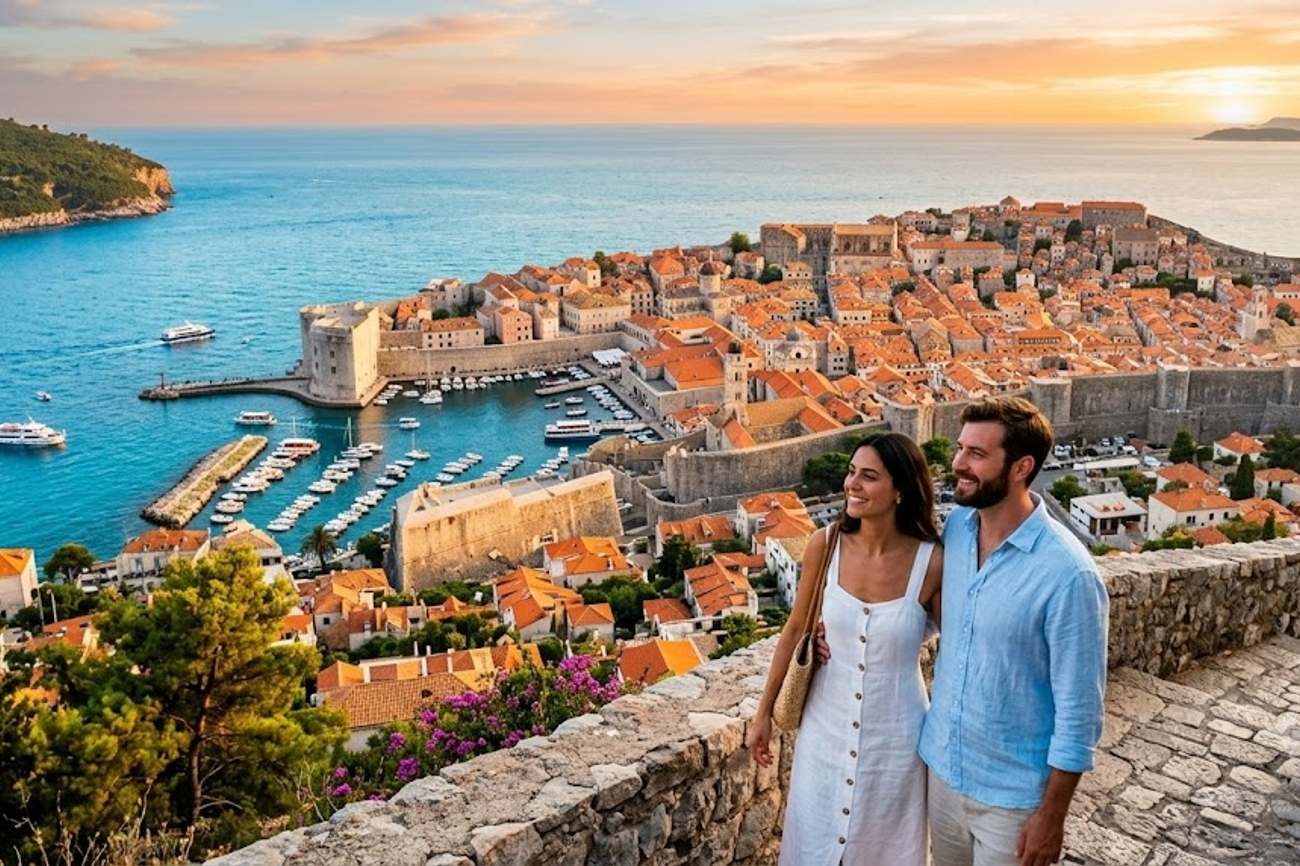
Image generated by AI
Six distinct European regions—spanning from the fjords of Ireland to the coasts of Sweden—are emerging as the primary pivots for a systemic shift in continental tourism by 2027. This transition represents more than a simple change in preference; it is a calculated migration of capital and foot traffic away from the "overtourism" crisis currently paralyzing hubs like Venice and Barcelona. As travelers pivot toward "slow travel" and immersive cultural engagement, the economic geography of Europe is being redrawn to favor secondary cities and rural landscapes.
The De-concentration of European Tourism
For decades, the European travel economy has operated on a hub-and-spoke model, where a handful of primary capitals—Paris, Rome, and Madrid—absorbed the vast majority of international arrivals. However, by 2027, this model is reaching a breaking point. The saturation of these "super-destinations" has led to a regulatory and social backlash, pushing both visitors and local governments to seek a more distributed model of tourism.
This shift is driven by a desire for "authenticity," a term that in industry parlance refers to the consumption of local traditions, regional gastronomy, and undisturbed natural landscapes. By diverting traffic to regions like the Swedish Riviera or Spain's León, European nations are attempting to implement a sustainable visitor management strategy that prevents the degradation of their most famous landmarks while stimulating economic growth in neglected provinces.
2027 Strategic Destination Analysis
The following destinations have been identified as the primary beneficiaries of this geographic pivot. Each offers a specific value proposition designed to attract the modern, high-value traveler who prioritizes depth over breadth.
| Destination | Country | Primary 2027 Value Proposition | Core Attractions |
|---|---|---|---|
| Šibenik | Croatia | Mediterranean Alternative | Medieval fortresses, Adriatic islands |
| Veneto Region | Italy | Diversified Regionalism | Dolomites, Lake Garda, Verona, Padua |
| León | Spain | Heritage & Pilgrimage | Gothic architecture, Camino de Santiago |
| Swedish Riviera | Sweden | Scandinavian Nature | Maritime culture, coastal villages |
| Killary Fjord | Ireland | Adventure & Isolation | Mountain hiking, marine kayaking |
The Dalmatian Pivot: Šibenik
In Croatia, the focus is shifting toward Šibenik. While the Dalmatian Coast has long been a tourist magnet, Šibenik provides a strategic alternative to the overcrowded ports. The city leverages its position on the Adriatic Sea to offer a blend of stone-street medievalism and access to national parks. The Šibenik-Knin region has specifically invested in infrastructure to support this influx, ensuring that the growth is managed sustainably rather than haphazardly.
The Veneto Expansion: Beyond the Canals
Italy is attempting a sophisticated "de-centering" of the Veneto region. The goal is to transform Venice from a final destination into a gateway. By promoting the Dolomites for mountain adventures and Lake Garda for leisure, Italy is attempting to spread the economic benefits of tourism across a wider geographic area. This strategy reduces the physical pressure on Venice's fragile infrastructure while introducing travelers to the Roman history of Verona and the religious heritage of Padua.
The Castilian Alternative: León
In Spain, the city of León is being positioned as the antithesis of the Madrid-Barcelona axis. By highlighting its Gothic heritage—specifically the León Cathedral—and its role as a vital stop on the [Camino de Santiago](https://www. Compostela.es), the city is targeting the "pilgrimage" and "slow travel" demographics. This segment of travelers typically spends more time in a single location and contributes more directly to local gastronomy and small-scale hospitality businesses.
Northern Frontiers: Sweden and Ireland
The rise of the Swedish Riviera and Ireland's Killary Fjord signals a growing appetite for "nature-based tourism." In Sweden, the draw is the maritime culture and the serenity of Scandinavian coastal villages. In Ireland, Killary Fjord in County Galway is being marketed as a hub for adventure tourism. Both destinations capitalize on the trend of environmental awareness, where the "luxury" is no longer a five-star hotel, but undisturbed access to a scenic waterway or a remote hiking trail.
Expert Analysis: The Economics of "Slow Travel"
For the traveler booking these routes in 2027, the direct consequence is a fundamental change in the logistics of the journey. We are seeing a transition from "checklist tourism"—where the goal is to visit as many landmarks as possible—to "immersive tourism."
The pricing pressure created by this shift is twofold. First, as demand spikes for secondary cities like León or Šibenik, we can expect a rise in boutique accommodation prices in these previously affordable zones. Second, the move toward "slow travel" encourages longer stays, which shifts spending from high-volume transport (short-haul flights) to local services (regional rail, local guides, and artisanal dining).
From a regulatory perspective, this is a win for the World Tourism Organization. By distributing income beyond the capitals, these countries are mitigating the "tourism gentrification" that has made cities like Venice nearly uninhabitable for locals. The cause-and-effect is clear: by marketing the "periphery," governments are protecting the "center." For the nomad or the frequent traveler, this means that the most rewarding experiences in 2027 will be found in the gaps between the famous cities.
Key Takeaways
- Geographic Redistribution: Tourism is moving away from primary capitals toward secondary hubs like Šibenik, León, and the wider Veneto region to combat overtourism.
- Value Shift: The "luxury" metric has shifted from high-end amenities to "authenticity," nature-based experiences, and deeper community connections.
- Economic Impact: Local economies in rural areas (e.g., County Galway, Ireland) are seeing increased investment in infrastructure to support adventure and heritage tourism.
- Traveler Behavior: A move toward "slow travel" means longer durations in single locations, favoring regional exploration over rapid city-hopping.
- Sustainable Management: European destinations are utilizing heritage conservation and nature tourism as tools for responsible visitor management.
FAQ: European Travel 2027
Is it cheaper to visit secondary cities like León instead of Madrid? Initially, yes. However, as these destinations gain popularity for 2027, expect boutique lodging and local dining prices to rise. The value lies in the quality of the experience rather than just the cost.
How do I get to Killary Fjord in Ireland? Killary Fjord is located in County Galway. The most efficient way to reach it is by renting a vehicle from Galway City or using regional transport services, as it is removed from major urban centers.
What is the best time to visit the Swedish Riviera? For the best coastal and outdoor experiences, visit during the summer months when the maritime culture is most active and the weather permits island boat trips and beach activities.
Does visiting the Veneto region require a stay in Venice? No. While Venice is a major hub, the 2027 trend encourages exploring Verona, Padua, Lake Garda, and the Dolomites independently to experience the region's full diversity.
The map of Europe is expanding; the real discovery now lies in the spaces between the postcards.
Related Travel Guides
- Netherlands Overtakes US and Other Countries To Lead Curaçao Tourism Boom As Island Welcomes More Global Travellers
- United Kingdom Aligns With Sri Lanka to Unlock Digital Tourism Revolution Through Smart Technology and Innovation
- Germany Creates New Tourism Wave as Digital Detox and Mindful Wellness Escapes Attract Global Travellers
Disclaimer
This article is for informational and educational purposes only. It does not constitute legal, financial, or professional advice. While we strive to provide accurate and up-to-date information, travel policies, regulations, and conditions change rapidly. Always verify information with official sources before making travel decisions. Nomad Lawyer makes no representations about the accuracy, reliability, completeness, or suitability of the information provided. Readers should consult qualified professionals for advice specific to their circumstances. The views expressed in this article are those of the author and do not necessarily reflect the views of Nomad Lawyer.
Kunal K Choudhary
Co-Founder & Contributor
A passionate traveller and tech enthusiast. Kunal contributes to the vision and growth of Nomad Lawyer, bringing fresh perspectives and driving the community forward.
Learn more about our team →