
United States Drives Over 12% Surge in Costa Rica Cruise Tourism as Global Demand Expands in 2026

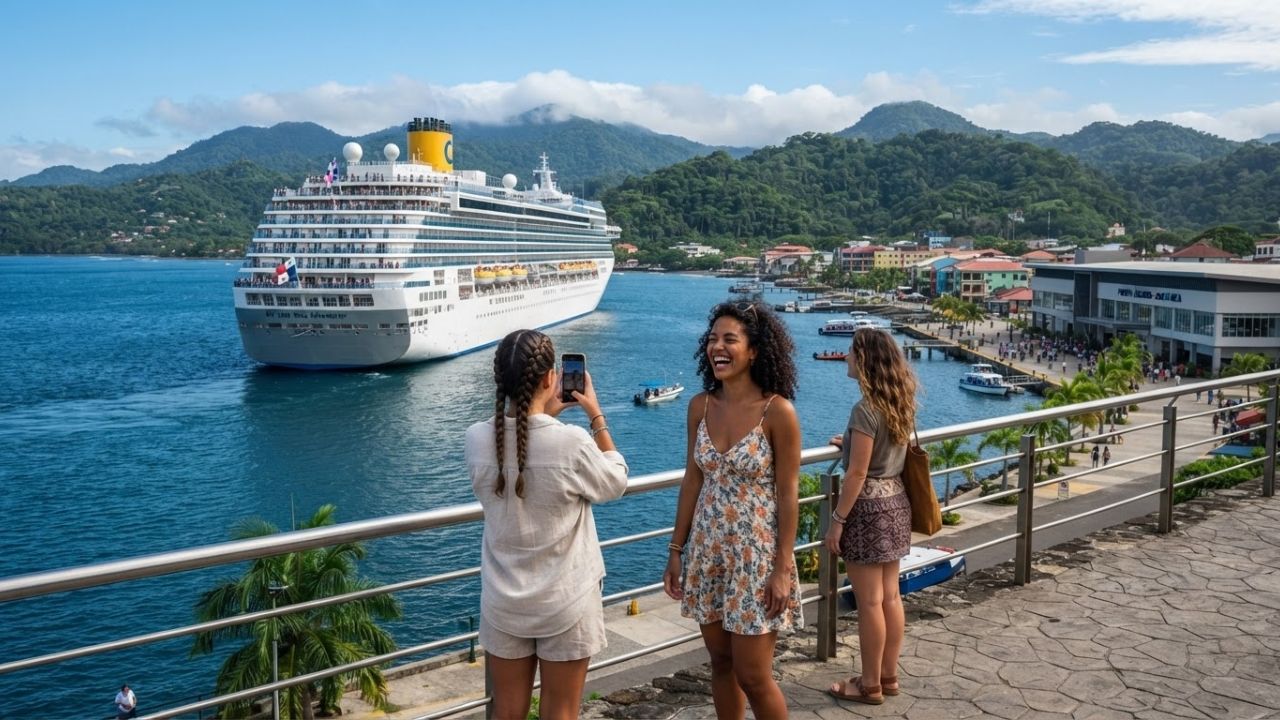
Driven by a surge from the United States alongside Canada and European markets, Costa Rica's cruise sector is projecting over 12% growth for the 2026 season, hosting 72 cruise ships and more than 150,000 cruise passengers. The boom reflects an international pivot toward regenerative shore excursions, linking Pacific port calls directly with community-owned rainforest reserves and marine sanctuaries.
The Instituto Costarricense de Turismo (ICT) and port authorities are preparing for an unprecedented wave of maritime arrivals. While traditional Caribbean cruise stops have long emphasized sun loungers and duty-free shopping, Costa Rica’s cruise value proposition centers on active bio-discovery. Travelers disembarking along the Pacific coastline increasingly demand immersive rainforest treks, volcanic crater excursions, and ethical wildlife encounters that support local conservation covenants.
The Engine Behind the Numbers: US Dominance and Global Alliances
The forecast expansion of over 12% for the 2026 season brings 72 cruise ships and over 150,000 passengers into Costa Rican ports, anchored by key international origin markets:
- United States as Primary Catalyst: American holidaymakers represent the single largest passenger demographic. Major North American cruise lines are deploying modern, eco-efficient vessels on extended itineraries that position Costa Rican stops—such as Puntarenas, Puerto Caldera, and Golfito—as marquee highlights.
- Canadian Adventure Seekers: Ranking directly behind the US, Canadian travelers prioritize sustainable shore activities, seeking out guided canopy explorations, birding reserves, and cloud forest excursions.
- Regional Maritime Partnerships (Panama & Mexico): Panama’s canal connectivity and Mexico’s established Pacific ports provide essential logistical stepping stones, allowing cruise operators to weave Costa Rica into seamless multi-country Central American voyages.
- European Demand (UK, Germany, Spain): Expanding market interest from the United Kingdom, Germany, and Spain brings high-value visitors drawn by Costa Rica's global reputation for carbon neutrality and strict biodiversity protection under the Ministry of Environment and Energy (MINAE).
Grassroots Economics: Channeling Cruise Dollars to Gateway Towns
The true measure of this cruise resurgence is felt across the local economy. Rather than confining visitor spend to gated port enclaves, Costa Rica’s Certification for Tourism Sustainability (CST) framework encourages shore excursions that inject revenue directly into gateway communities:
- Independent Eco-Guides and Outbound Operators: Specialized naturalist guides lead small groups into transition forests like Carara National Park, home to one of Central America's largest wild populations of scarlet macaws.
- Family-Run Gastronomy: Port passengers bypass chain outlets to dine at local sodas, tasting authentic culinary staples that support regional farmers and artisanal fishermen.
- Transport and Artisan Cooperatives: Certified local shuttle companies, taxi associations, and women-led artisan collectives in Puntarenas and Limón gain direct commercial access to disembarking international travelers.
Local Visitor Insider Tips: Shore Excursion Tactics and Regional Flavors
For cruise passengers spending a single day in port, maximizing every shore hour requires strategic planning:
- Target the Pacific Transition Forests: If docking in Puntarenas or Puerto Caldera, book an early morning excursion to Carara National Park or take a low-impact safari boat along the Tarcoles River estuary to observe American crocodiles, roseate spoonbills, and mangrove crabs in their natural habitat.
- Authentic Portside Gastronomy: Skip cruise buffet dining on shore days. Savor a traditional Costa Rican casado—a balanced plate of rice, black beans, fried sweet plantains (plátanos maduros), cabbage salad, and grilled sea bass—splashed with tangy Lizano sauce. Finish with a cup of freshly brewed high-altitude Tarrazú coffee prepared using a traditional cloth chorreador.
- Puntarenas Promenade Etiquette: Take an afternoon stroll along the historic Paseo de los Turistas in Puntarenas. Stop at a beachside kiosk for a legendary Churchill—a shaved-ice dessert layered with sweet syrup, condensed milk, powdered milk, and vanilla ice cream.
- Avoid Uncertified Wildlife Encounters: Costa Rica strictly prohibits wildlife handling and exploitative animal selfies. Only patronize rescue sanctuaries and nature reserves accredited by MINAE where animals are observed ethically in natural enclosures.
Tourism Outlook: Anchoring Long-Term Eco-Tourism on the High Seas
As Costa Rica crosses the threshold of 150,000 cruise tourists across 72 ship visits in 2026, the country demonstrates how maritime tourism can evolve from an environmental liability into a catalyst for regenerative development. By maintaining stringent environmental regulations and ensuring shore revenues directly enrich regional communities, Costa Rica continues to define the gold standard for sustainable tropical travel.
Related Travel Guides
Disclaimer
This article is for informational and educational purposes only. It does not constitute legal, financial, or professional advice. While we strive to provide accurate and up-to-date information, travel policies, regulations, and conditions change rapidly. Always verify information with official sources before making travel decisions. Nomad Lawyer makes no representations about the accuracy, reliability, completeness, or suitability of the information provided. Readers should consult qualified professionals for advice specific to their circumstances. The views expressed in this article are those of the author and do not necessarily reflect the views of Nomad Lawyer.
Raushan Kumar
Founder & Lead Developer
Full-stack developer with 11+ years of experience and a passionate traveller. Raushan built Nomad Lawyer from the ground up with a vision to create the best travel and law experience on the web.
Learn more about our team →