
Costa Rica Tourism Guide 2026: Eco-Adventure, National Parks, and Pura Vida Culture
Explore the ultimate 2026 Costa Rica travel guide, featuring the Arenal Volcano, the biodiversity of Corcovado, sustainable eco-tourism trends, and essential transportation tips for your Central American adventure.

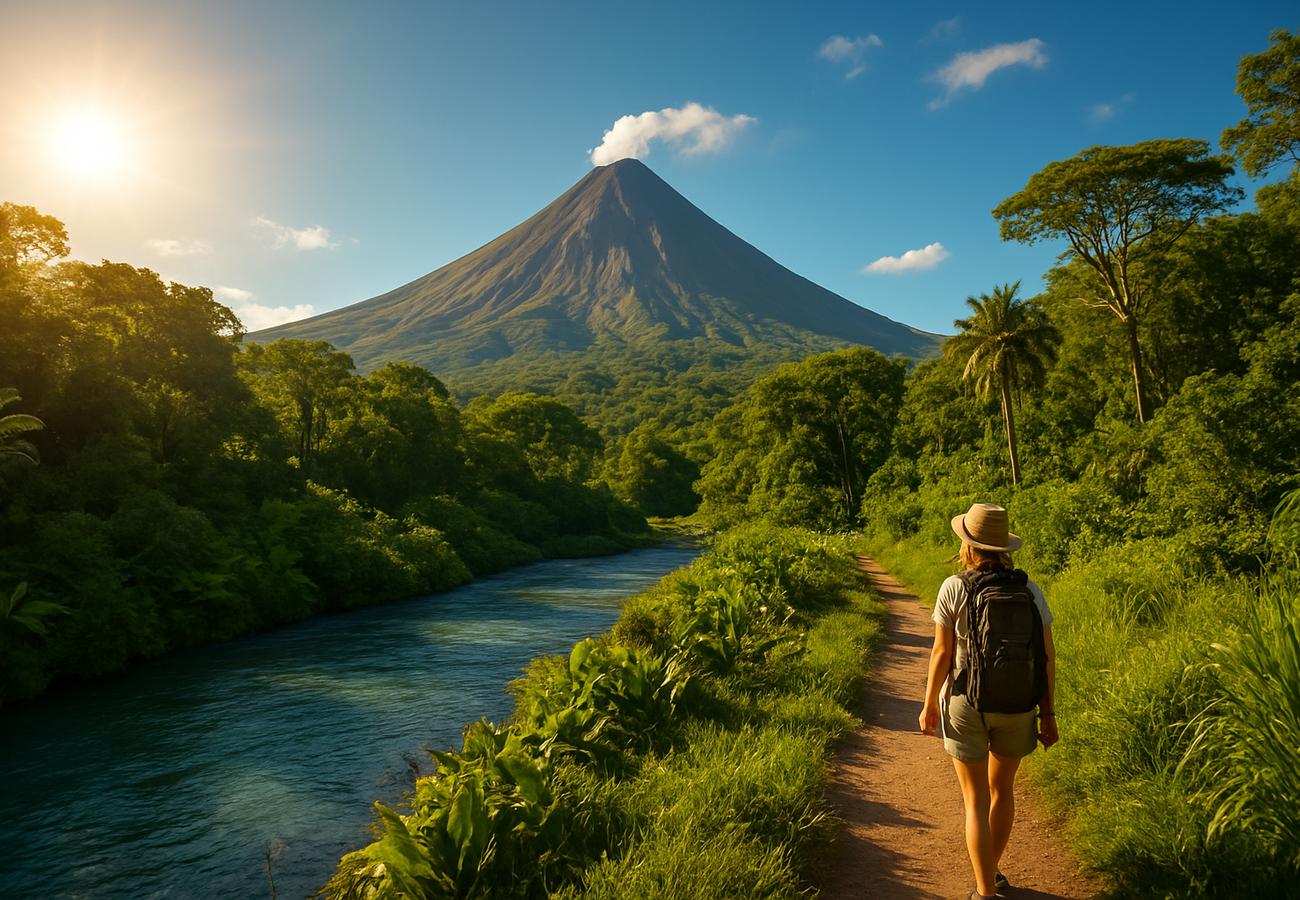
Image generated by AI
Quick Summary
- Eco-Tourism Leader: Costa Rica remains a global benchmark for sustainability, with over 25% of its land protected as national parks or reserves.
- Top Landmarks: Key destinations include the Arenal Volcano, the wildlife-rich Manuel Antonio, and the "Amazon of Costa Rica," Tortuguero National Park.
- Biodiversity Hub: Corcovado National Park in the Osa Peninsula is recognized as one of the most biologically intense places on Earth.
- Transport Options: Travelers can utilize domestic airlines like Sansa, an extensive public bus network, or flexible car rentals for rural exploration.
- Seasonal Strategy: The Dry Season (Dec–April) is best for beaches, while the Green Season (May–Nov) offers lush landscapes and lower travel rates.
- Cultural Staples: Iconic experiences include sampling Gallo Pinto, visiting coffee plantations, and attending the Fiesta de los Diablitos.
Costa Rica, the jewel of Central America, continues to set the standard for eco-conscious travel in 2026. Known for its "Pura Vida" (pure life) philosophy, the country offers a diverse array of ecosystems ranging from active stratovolcanoes and misty cloud forests to pristine Pacific and Caribbean coastlines. Whether you are trekking through the remote jungles of Corcovado—home to jaguars and scarlet macaws—or relaxing in the geothermal hot springs of Arenal, Costa Rica provides a seamless blend of adventure and serenity. The nation's commitment to carbon neutrality and sustainable tourism makes it a premier destination for travelers looking to minimize their environmental footprint while maximizing their exposure to nature. With efficient domestic flight connections, a robust public transit system, and a world-renowned culinary scene centered on fresh, local ingredients and premium coffee, Costa Rica remains a top-tier choice for families, adventure seekers, and solo explorers alike.
Costa Rica Tourism 2026: Top National Parks, Transport, and Seasonal Tips
The following table summarizes the essential visitor data for planning a high-impact Costa Rican expedition.
| Category | Top Landmark / Service | Unique Feature / Accessibility |
|---|---|---|
| Volcanic Hub | Arenal Volcano National Park | Active stratovolcano; hot springs & observatory |
| Coastal Wildlife | Manuel Antonio National Park | Pacific rainforest & beaches; monkeys & sloths |
| Biological Gem | Corcovado National Park | Highest biodiversity; jaguars & tapirs |
| Cloud Forest | Monteverde Reserve | Hanging bridges; resplendent quetzal birds |
| Turtle Nesting | Tortuguero National Park | Caribbean canals; green sea turtle sanctuary |
| Domestic Air | Sansa & Nature Air | Direct links to Liberia, Tamarindo, & Osa |
| Public Transit | Extensive Bus Network | Affordable links between all major cities |
| Best Dry Season | December to April | Peak sun; ideal for surfing and hiking |
Top National Parks: Exploring Costa Rica’s Biodiverse Ecosystems
Costa Rica’s protected areas are the primary engine of its tourism industry:
- Arenal and Manuel Antonio: These parks offer the most accessible mix of volcanic adventure and coastal relaxation, featuring well-maintained trails and diverse wildlife.
- Monteverde Cloud Forest: A misty, high-altitude ecosystem where visitors can traverse hanging bridges and participate in night walks to see nocturnal species.
- Tortuguero: Known as the "Amazon of Costa Rica," this park is accessible only by boat or plane, offering a unique river-based safari experience.
Remote Adventure: Off-the-Beaten-Path Ecotourism in Corcovado
For the seasoned explorer, the Osa Peninsula offers the ultimate wilderness experience:
- Pristine Jungle: Corcovado is one of the few places in Central America where jaguars, tapirs, and all four species of monkeys found in the country coexist.
- Sustainable Trekking: With limited daily visitor permits, the park offers an untouched, wild experience far from the larger tourist crowds.
- Eco-Lodges: The region is famous for high-end eco-lodges that operate entirely off the grid using renewable energy.
Getting Around: Navigating Costa Rica via Air, Bus, and Car
The country's transportation network allows for both rapid transit and slow, scenic travel:
- Domestic Flights: Utilizing small planes is the most efficient way to bypass mountain traffic and reach remote coastal airfields in under an hour.
- Car Rentals: Renting a 4x4 vehicle is recommended for those wishing to explore the gravel roads of the Nicoya Peninsula or the South Pacific coast.
- Shuttle Services: Private and shared shuttles provide a middle-ground option, offering door-to-door service between major tourist hubs like Jacó and Liberia.
Culinary Traditions: Gallo Pinto, Casado, and World-Class Coffee
Costa Rican cuisine is defined by its simplicity, freshness, and cultural heritage:
- Pinto and Casado: The "Casado" (married man's meal) is the quintessential lunch, featuring rice, beans, salad, plantains, and a choice of protein.
- Coffee Culture: As one of the world's top coffee producers, the country offers numerous plantation tours in the Central Valley and Monteverde.
- Ceviche and Seafood: Along both coasts, fresh seafood marinated in lime and cilantro is a staple for beach-goers.
Best Time to Visit: Balancing the Dry and Green Seasons
Timing your visit is crucial for maximizing your outdoor activities:
- Dry Season (High Season): Ideal for those seeking guaranteed sun and calm seas, though popular parks like Manuel Antonio can reach capacity quickly.
- Green Season (Quiet Season): From May to November, the landscape is at its most vibrant. While afternoons often bring rain, mornings are usually clear, and hotel rates are significantly lower.
- Turtle Season: Tortuguero is best visited between July and October for the peak green sea turtle nesting season.
Conclusion: A Haven for the Eco-Conscious Traveler
Ultimately, Costa Rica in 2026 remains the definitive destination for those who value nature, sustainability, and adventure. By preserving its vast biological corridors and promoting "Pura Vida" values, the country has created a tourism model that benefits both the environment and the visitor. Whether you are ziplining through cloud forests, watching turtles hatch on the Caribbean shore, or simply enjoying a cup of high-altitude coffee, Costa Rica offers a profound connection to the natural world that few other destinations can match.
FAQ: Costa Rica Tourism & Travel 2026
Do I need a 4x4 to drive in Costa Rica? While many major routes are well-paved, a 4x4 is highly recommended if you plan to visit remote areas like the Osa Peninsula, Monteverde, or certain parts of the Nicoya Peninsula.
What is the "Pura Vida" philosophy? "Pura Vida" translates to "Pure Life" and is a greeting, a farewell, and a way of life that emphasizes gratitude, community, and a relaxed, positive outlook.
Is tap water safe to drink in Costa Rica? In most parts of the country, especially in major cities and tourist areas, tap water is safe to drink. However, in more remote rural regions, bottled or filtered water is recommended.
Related Travel Guides
Disclaimer
This article is for informational and educational purposes only. It does not constitute legal, financial, or professional advice. While we strive to provide accurate and up-to-date information, travel policies, regulations, and conditions change rapidly. Always verify information with official sources before making travel decisions. Nomad Lawyer makes no representations about the accuracy, reliability, completeness, or suitability of the information provided. Readers should consult qualified professionals for advice specific to their circumstances. The views expressed in this article are those of the author and do not necessarily reflect the views of Nomad Lawyer.
Kunal K Choudhary
Co-Founder & Contributor
A passionate traveller and tech enthusiast. Kunal contributes to the vision and growth of Nomad Lawyer, bringing fresh perspectives and driving the community forward.
Learn more about our team →