
Corporate Retreat Planning Trends 2024
Corporate Retreat Planning Trends 2024

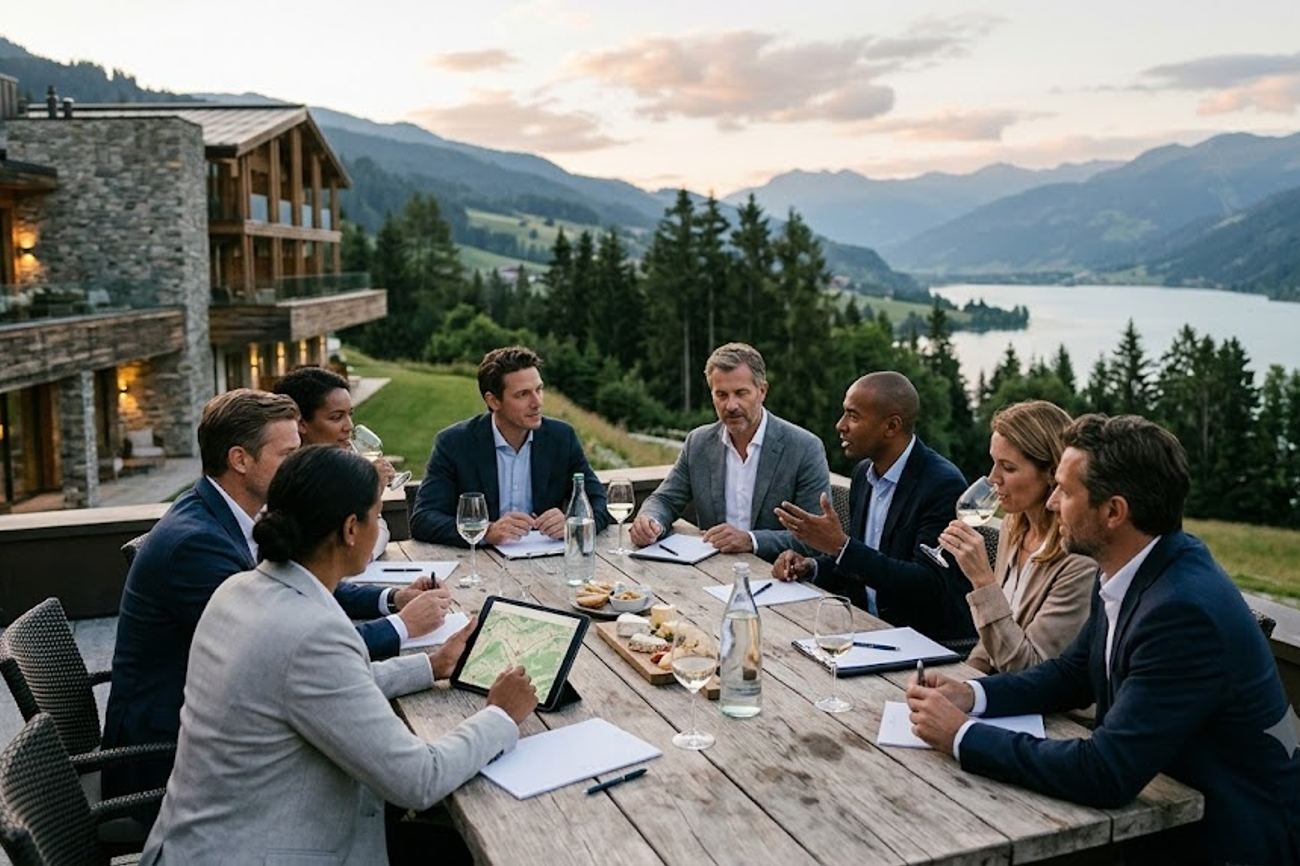
Image generated by AI
Corporate Retreat Planning Trends 2024
Winter Travel Logistics
Artisan Venture Tours
Montana Business Travel
Corporate Wellness 2024
Team Building Strategies
[Livingston, October 2024] — Corporate organizations are accelerating their winter retreat planning cycles to combat seasonal productivity dips and strengthen fragmented workplace cultures. Artisan Venture Tours, a specialized planning firm based in Livingston, Montana, reports a surge in companies seeking structured off-site experiences to facilitate employee reconnection and creative revitalization before the peak winter season.
The shift toward early booking is driven by a need to mitigate the psychological effects of colder weather and the isolation often felt by remote and hybrid workforces. By securing dates and venues now, businesses aim to provide employees with a tangible event to anticipate, effectively bridging the gap between digital communication and meaningful in-person collaboration.
The Catalyst for Early Winter Planning
The primary driver behind this trend is the recognized decline in informal workplace connectivity during the winter months. As outdoor activity drops and routines become more rigid, companies are utilizing retreats to inject energy into their teams. The goal is to move beyond the "grind" of daily operations and place employees in environments that inspire unconventional thinking and stronger interpersonal bonds.
According to industry observations, the move toward early scheduling is also a strategic response to travel volatility. By finalizing arrangements months in advance, companies avoid the price spikes and availability shortages typical of peak winter travel windows. This proactive approach ensures that the logistics—ranging from luxury lodge bookings in mountain regions to beachfront resorts in warmer climates—are secured without compromising budget limits or participant comfort.
Markets and Personnel Impacted
The demand for these retreats spans several corporate tiers and employee demographics, with a particular emphasis on those operating under non-traditional work arrangements.
| Affected Group | Primary Need | Preferred Retreat Style |
|---|---|---|
| Remote/Hybrid Teams | Face-to-face synchronization | High-interaction workshops & social events |
| Executive Leadership | Strategic alignment & visioning | Secluded off-sites & leadership retreats |
| General Staff | Burnout prevention & morale | Incentive travel & outdoor expeditions |
| Creative Departments | Inspiration & brainstorming | Scenic, non-traditional environments |
Specific activities being integrated into these winter itineraries include:
- Mountain-Based Logistics: Skiing, snowboarding, snowshoeing, and nature-based team experiences focused on shared challenges.
- Warm-Weather Logistics: Wellness programs, beach-based meetings, and local sightseeing designed for total mental decompression.
- Professional Development: Leadership workshops and strategy sessions conducted in inspiring, non-office locations.
What This Means for Travelers
For the individual employee, the shift toward professionally planned winter retreats means a transition from generic "company trips" to highly curated experiences. Travelers should expect a more rigorous focus on inclusivity and comfort. Planning firms are now prioritizing the "comfort levels" of all participants, ensuring that those who are not physically inclined toward extreme winter sports still have meaningful ways to engage.
From a logistical standpoint, employees can expect detailed pre-trip communications. Because these retreats often involve specific environments—such as high-altitude Montana lodges or tropical resorts—companies are providing comprehensive guides on clothing requirements and activity schedules to reduce traveler anxiety.
For those booking through corporate channels, the reliance on professional planners like Artisan Venture Tours means a more seamless transition between transport, accommodation, and dining. The "passenger impact" here is a reduction in the friction typically associated with group travel, as coordination is handled by third-party experts rather than internal HR staff. Travelers should verify their travel documentation and health requirements early, especially if the company selects an international warm-weather destination.
The Strategic Roadmap for Q4 and Q1
As the travel window narrows, the focus for businesses is moving toward "emergency planning" and capacity management. The current trajectory suggests that companies will increasingly move away from standard hotel conference rooms in favor of "experience-driven" venues.
The next phase of winter planning involves a heavy emphasis on the "return-to-work" effect. Companies are not viewing these trips as mere vacations, but as investments in workplace culture. The objective is to create "common hardships" or shared victories—such as completing a difficult hike or collaborating on a complex workshop—that translate into better teamwork upon returning to the office.
Businesses are encouraged to coordinate with official travel bodies to ensure safety and compliance. For those heading to U.S. mountain regions, monitoring updates from the National Park Service regarding winter access is essential. For those organizing international flights for their teams, checking the latest guidelines from the International Air Transport Association (IATA) ensures that group travel remains compliant with evolving global aviation standards.
Furthermore, the integration of "incentive travel" is becoming a standard tool for retention. By framing the winter retreat as a reward for yearly performance, companies are using these trips to bolster loyalty in a competitive labor market.
FAQ: Corporate Winter Retreats 2024
What is the best time to book a winter corporate retreat? Booking should occur several months in advance. High-demand mountain lodges and premium beach resorts fill up quickly during the winter season. Early planning secures better rates and ensures the venue can accommodate the entire group size.
How do companies choose between warm and cold destinations? The choice depends on the objective. Cold-weather destinations are typically chosen for team-bonding through shared activities like skiing. Warm-weather escapes are generally prioritized for wellness, relaxation, and mental health resets for stressed employees.
Are these retreats suitable for remote-only employees? Yes. In fact, they are highly recommended. For remote workers, these retreats serve as the primary method for building personal connections and trust that cannot be replicated through digital communication tools.
What should employees pack for a corporate winter off-site? Participants should follow the specific gear list provided by their company. Generally, this includes layered clothing for mountain environments or breathable, casual attire for warm-weather sites, along with a balance of professional and leisure wear.
The corporate calendar is tightening; those who wait until December to plan their reconnection will find the best venues already gone.
Related Travel Guides
- Taiwan’s Tainan Boosts Tourism Appeal As Malaysian Travel Creator Changyong Reveals Authentic Food Culture And Heritage
- Uttar Pradesh Unveils New Global Tourism Opportunities Through Heritage Showcase at Japan Expo 2026
- Anguilla Expands Luxury Tourism Reach At Monaco Yacht Show 2026 To Boost Global Yachting Appeal
Disclaimer
This article is for informational and educational purposes only. It does not constitute legal, financial, or professional advice. While we strive to provide accurate and up-to-date information, travel policies, regulations, and conditions change rapidly. Always verify information with official sources before making travel decisions. Nomad Lawyer makes no representations about the accuracy, reliability, completeness, or suitability of the information provided. Readers should consult qualified professionals for advice specific to their circumstances. The views expressed in this article are those of the author and do not necessarily reflect the views of Nomad Lawyer.
Naina Thakur
Contributor & Travel Specialist
Travel enthusiast and legal writer covering visa regulations, responsible tourism, and cultural journeys across global destinations.
Learn more about our team →