
The Rise of 'Coolcationing': Almaty, Sapporo, and Sapa Lead the 2026 Shift Toward Temperate Tourism
Global travel is shifting toward "coolcations" as travelers flee extreme heat. Explore how Almaty, Sapporo, and Sapa are expanding aviation and infrastructure t

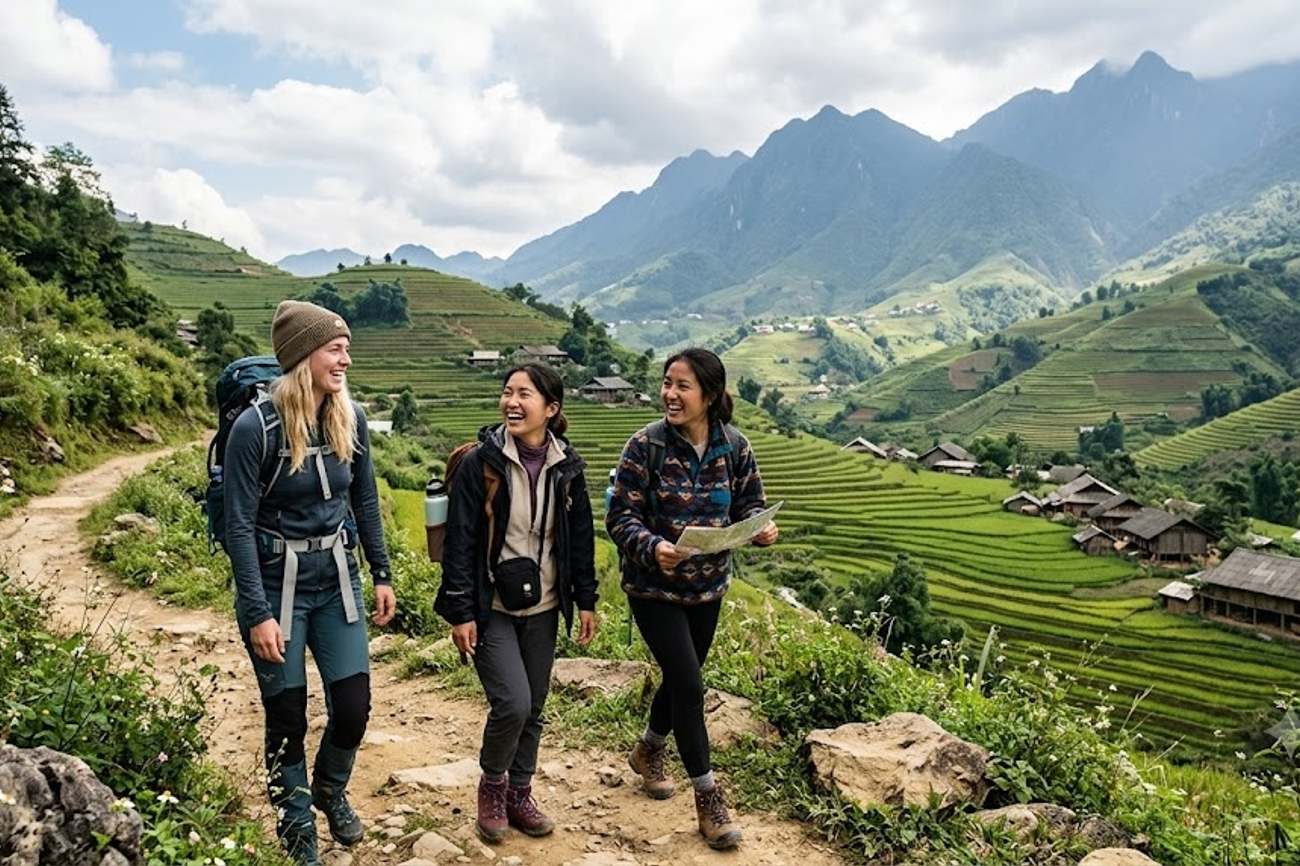
Image generated by AI
The Strategic Pivot to Coolcationing
The global tourism industry is experiencing a fundamental disruption known as the "coolcation." This trend sees travelers deliberately bypassing traditional summer hotspots, such as the Mediterranean or tropical Southeast Asian coasts, in favor of milder, temperate climates.
By 2026, this shift has evolved from a niche preference into a primary economic driver. National tourism boards are now aggressively repositioning high-latitude and high-altitude regions as essential sanctuaries from unprecedented global heatwaves.
Climate Change as a Travel Catalyst
The migration toward cooler destinations is a direct response to climate volatility. Data aligned with the World Meteorological Organization and UN Tourism indicate that successive years of extreme heat across North America, Southern Europe, and South Asia have made traditional summer destinations physically uncomfortable and potentially hazardous.
Travelers are now prioritizing "natural cooling" and alpine air over coastal resorts. This behavioral shift has forced a reallocation of infrastructure capital, moving investment away from coastal assets and toward the development of northern cities, temperate forests, and mountain townships.
Economic Impacts on Global Markets
The redistribution of tourist volumes is creating a "seasonal flattening" effect. Regions that previously relied solely on winter sports are transforming into year-round economic hubs, ensuring stable revenue and employment.
This shift is driving significant capital expenditure in:
- Boutique eco-lodges and sustainable hospitality.
- High-speed rail links to remote temperate zones.
- Digital infrastructure to attract the growing demographic of remote workers.
Almaty: Central Asia’s Temperate Powerhouse
Almaty, Kazakhstan, has positioned itself as a primary beneficiary of the coolcation trend. Situated in the Trans-Ili Alatau mountains, the city has seen a surge in both visitor volume and spending.
In 2025, Almaty's tourism revenues reached 110.9 billion tenge (US$240 million), a 15.2% year-on-year increase. The city welcomed 2.49 million tourists in 2025, including 754,000 international visitors (up 9.9%) and 1.7 million domestic travelers.
Further validating this growth, Mastercard Tourism Insights noted a 40% increase in international tourist spending and a 73% spike in overall travel interest in the city.
Aviation Expansion and Global Connectivity
To sustain this growth, Almaty has aggressively expanded its air connectivity, reducing reliance on traditional hubs like Istanbul or Dubai. Key route expansions in 2026 include:
- Air Astana: Launched a landmark direct route between Almaty and Tokyo in March 2026.
- LOT Polish Airlines: Introduced an Almaty-Warsaw service in May 2026.
- Royal Jordanian: Added a direct route between Amman and Almaty.
- Eastar Jet: Commenced twice-weekly flights connecting Almaty and Busan.
These strategic links have transformed Almaty from a remote destination into an accessible getaway for the European and Asian middle classes.
Regional Performance Data (2025)
| Metric | Value | Year-on-Year Growth |
|---|---|---|
| Total Tourism Revenue (Almaty) | 110.9 Billion Tenge ($240M) | +15.2% |
| Total Tourist Footfall (Almaty) | 2.49 Million | +6.3% |
| International Visitors | 754,000 | +9.9% |
| Domestic Visitors | 1.7 Million | Stable |
| International Tourist Expenditure | — | +40% (Mastercard) |
| General Travel Interest | — | +73% (Mastercard) |
Key Takeaways
- Trend Shift: "Coolcations" are replacing traditional beach holidays due to extreme summer heat.
- Economic Gain: High-altitude regions like Almaty, Sapporo, and Sapa are seeing year-round revenue stability.
- Connectivity: New direct flights from Tokyo, Warsaw, Amman, and Busan are critical to Almaty's growth.
- Infrastructure: Government funding is pivoting toward sustainable mountain clusters and eco-tourism.
FAQ
What is a "coolcation"? A coolcation is a vacation spent in a temperate or cold climate specifically to avoid extreme heatwaves in traditional summer destinations.
Which cities are leading the coolcation trend in 2026? Almaty (Kazakhstan), Sapporo (Japan), and Sapa (Vietnam) are among the primary destinations.
How has Almaty improved its accessibility for tourists? By launching direct flights to major hubs in Japan, Poland, South Korea, and Jordan, reducing transit times for international travelers.
Related Travel Guides
- Uzbekistan Pivots from Cotton to Super-Intensive Orchards to Fuel Fergana Agritourism Boom
- Zimbabwe Unveils 8-Night Northern Hwange Walking Safari Connecting Victoria Falls Supported by 25,803 Americas Visitors in 2026
- Thailand Inbound Tourist Arrivals Drop 3% in First Eight Months of 2026 Reaching 20.93 Million Foreign Visitors
Disclaimer
This article is for informational and educational purposes only. It does not constitute legal, financial, or professional advice. While we strive to provide accurate and up-to-date information, travel policies, regulations, and conditions change rapidly. Always verify information with official sources before making travel decisions. Nomad Lawyer makes no representations about the accuracy, reliability, completeness, or suitability of the information provided. Readers should consult qualified professionals for advice specific to their circumstances. The views expressed in this article are those of the author and do not necessarily reflect the views of Nomad Lawyer.
Kunal K Choudhary
Co-Founder & Contributor
A passionate traveller and tech enthusiast. Kunal contributes to the vision and growth of Nomad Lawyer, bringing fresh perspectives and driving the community forward.
Learn more about our team →