
Comprehensive 7-Day Netherlands Itinerary: Strategic Regional Travel Guide for 2026
A professional 7-day Dutch itinerary balancing urban hubs and regional centers to optimize Netherlands travel and avoid capital city congestion in 2026.

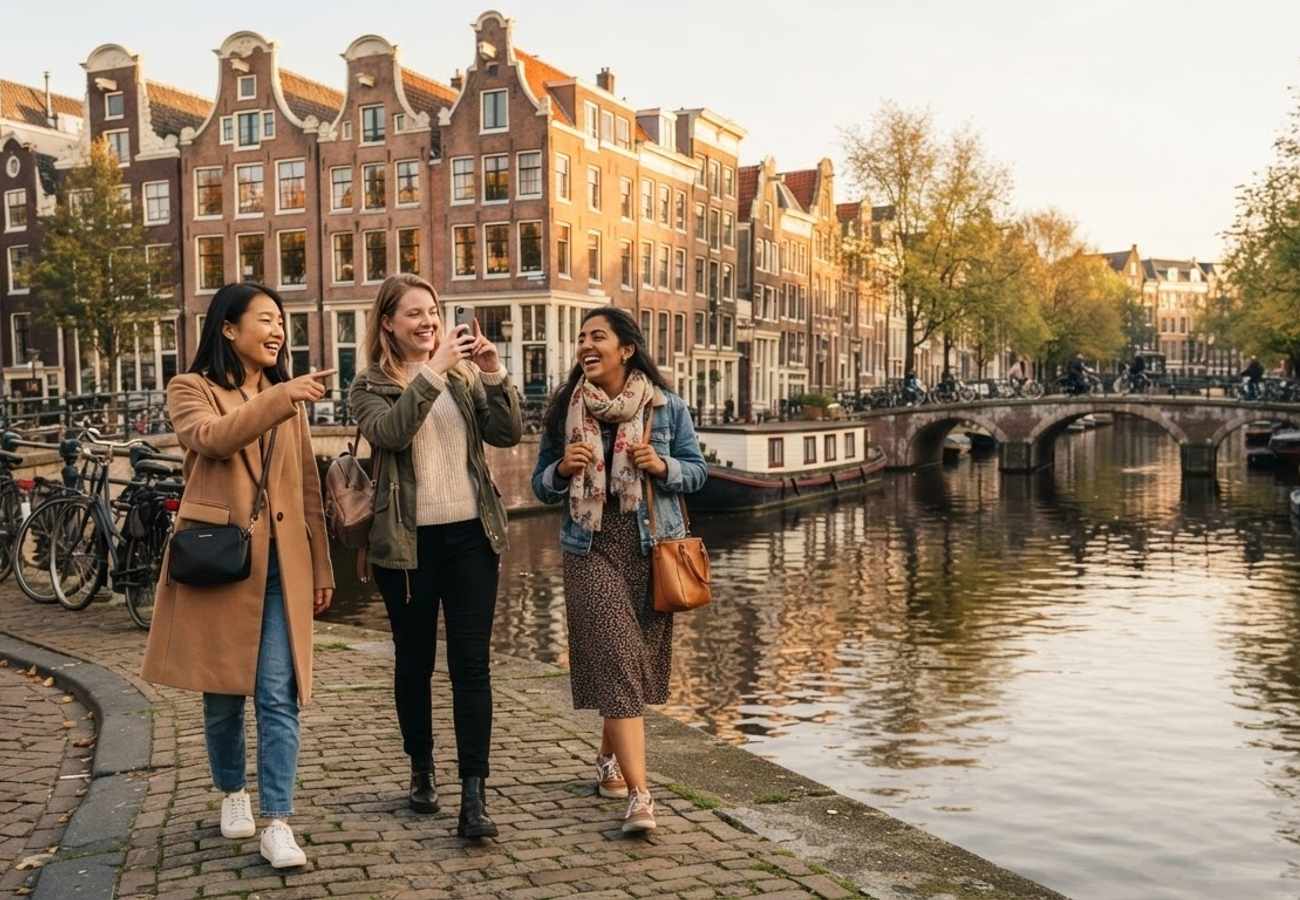
Image generated by AI
The Netherlands is shifting its tourism focus away from the saturated capital toward high-value regional hubs. This strategic 7-day Dutch itinerary optimizes travel efficiency by leveraging the nation's world-class rail infrastructure.
Strategic Regional Distribution
A common misconception among international travelers is the conflation of "Holland" with the Netherlands. Industry data clarifies that the Netherlands is the sovereign state, while Holland refers specifically to a smaller region. Distinguishing between the two is essential for accurate logistical planning.
The Dutch landscape is defined by its relationship with water. This historical necessity created the intricate canal systems that now drive the economy of cities like Amsterdam. Modern Dutch urban planning successfully integrates these heritage assets with a high-density, connected transport network.
Accessibility is a primary driver of the visitor experience. Market trends show a strong preference for cycling and pedestrian exploration. English proficiency is nearly universal among locals, significantly lowering the barrier for international arrivals.
Optimized 7-Day Dutch Itinerary
To maximize the utility of a one-week window, industry observers recommend a balanced route that distributes time between the primary hub and secondary cultural centers.
Route Breakdown and Key Destinations
- Amsterdam (2 Nights): The primary gateway for Amsterdam tourism. Focus on historic canal networks and niche museums to avoid peak crowds.
- Leiden (1 Night): A critical stop for those exploring Leiden history. This university city is characterized by a walkable layout and ancient castle grounds.
- The Hague (1 Night): The political epicenter. Beyond government sites, the coastal district of Scheveningen offers high-value beach and leisure options.
- Delft (1 Night): A global center for traditional blue pottery. Priority sites include the Nieuwe Kerk and royal burial grounds.
- Rotterdam (1 Night): A hub for Rotterdam architecture. Key highlights include the Cube Houses and the maritime heritage of Oude Haven.
- Gouda (1 Night): Famous for its dairy industry and Gouda cheese. The city is noted for its Gothic cathedrals and historic town halls.
Extended Exploration Options
For travelers with more than seven days, the southern provinces offer untapped potential. Breda provides a boutique experience, while Maastricht is recommended for its unique cultural blend and proximity to nature trails.
Regional Specializations and Transport Logistics
The Dutch tourism industry operates on a highly organized, specialized model. Each city serves as a thematic anchor for the regional economy.
| City | Primary Industry/Attraction | Key Travel Value |
|---|---|---|
| Delft | Blue Pottery | Traditional Craftsmanship |
| Gouda | Cheese Production | Dairy Heritage |
| Rotterdam | Modern Architecture | Urban Innovation |
| Leiden | Academic History | Walkable University Culture |
| The Hague | Political Administration | Coastal Leisure |
The rail network remains the most efficient method of transit. While luxury accommodation costs remain high, the affordability and reliability of the train system allow for rapid movement between major hubs and quiet provincial towns.
Why This Matters: The Shift to Regionalism
Our analysis of current travel patterns indicates a decisive shift in how the Netherlands manages tourism. For years, the "Amsterdam-centric" model led to severe overtourism in the capital. The current strategy promotes "regional dispersion."
By directing travelers toward cities like Leiden, Delft, and Gouda, the government achieves two goals: it reduces the environmental and social pressure on Amsterdam and distributes tourism revenue more equitably across the provinces. This transition is supported by the digitalization of the travel experience, where mobile ticketing and online booking have replaced analog systems, making regional hops seamless for the modern nomad.
Industry Outlook
Sustainability is no longer optional; it is the core of Dutch tourism policy. The government is aggressively promoting train-based travel to minimize the carbon footprint of visitors.
Expect further integration of digital tools to manage crowd flow and a continued push toward the "hidden gems" of the southern provinces. The future of Netherlands travel lies in the balance between high-tech accessibility and the preservation of slow-paced, regional heritage.
The move from capital-centric tourism to a regional network marks a new era of sustainable European travel.
Related Travel Guides
Disclaimer
This article is for informational and educational purposes only. It does not constitute legal, financial, or professional advice. While we strive to provide accurate and up-to-date information, travel policies, regulations, and conditions change rapidly. Always verify information with official sources before making travel decisions. Nomad Lawyer makes no representations about the accuracy, reliability, completeness, or suitability of the information provided. Readers should consult qualified professionals for advice specific to their circumstances. The views expressed in this article are those of the author and do not necessarily reflect the views of Nomad Lawyer.
Preeti Gunjan
Contributor & Community Manager
A passionate traveller and community builder. Preeti helps grow the Nomad Lawyer community, fostering engagement and bringing the reader experience to life.
Learn more about our team →