
Russia, UK, and Vietnam Lead Surge in China's 2026 Inbound Tourism; Visa-Free Expansion and Southern Hubs Reshape Global Travel
Russia, the UK, Germany, France, Thailand, the US, and Vietnam are accelerating China's inbound tourism recovery in 2026

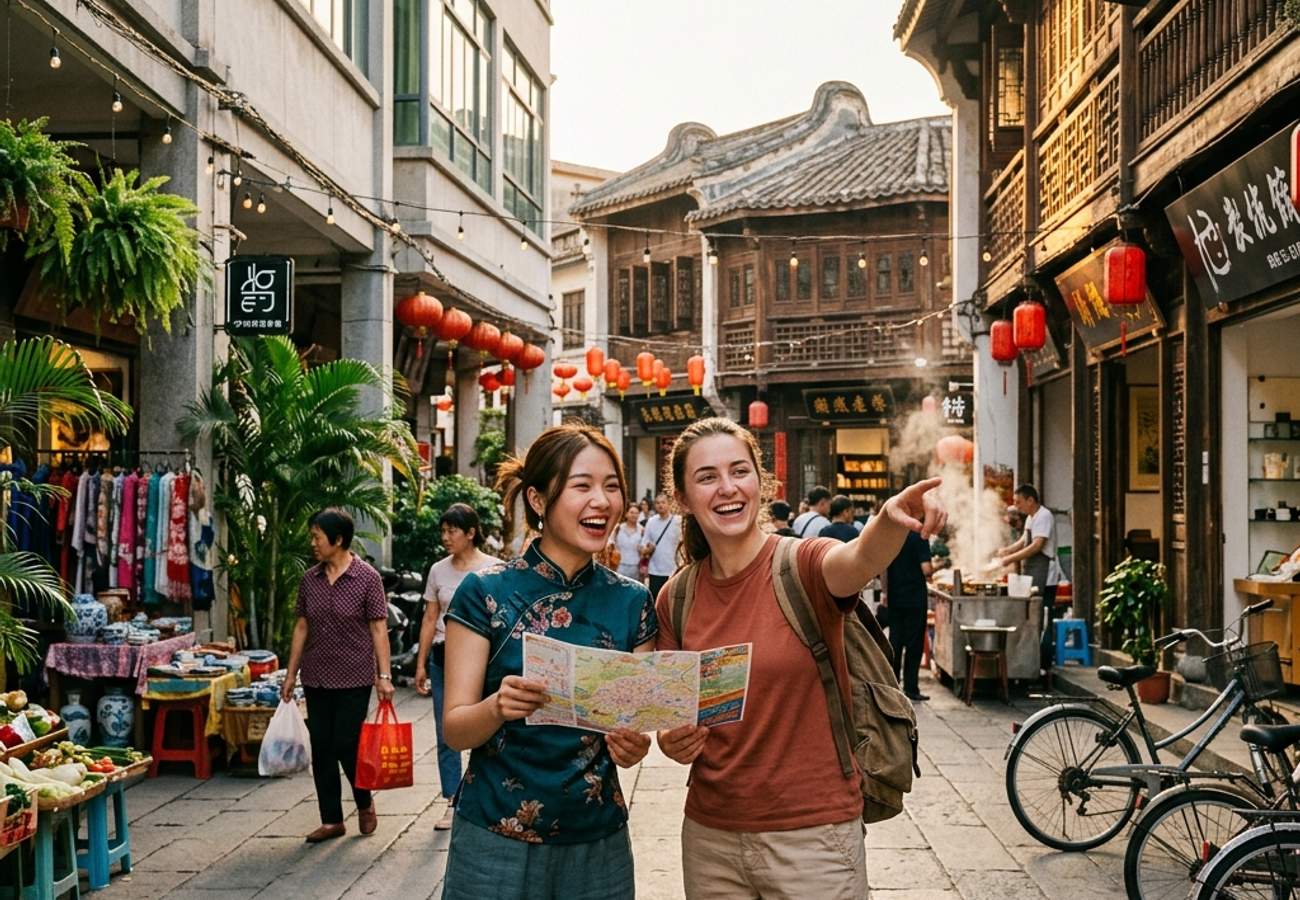
Image generated by AI
China's inbound tourism sector in 2026 is experiencing a robust structural transformation, characterized by a rapid diversification of source markets and a decisive shift toward high-value, connectivity-driven travel. The recovery has moved beyond reliance on regional short-haul traffic, now propelled by a composite of international demand from Russia, the United Kingdom, Germany, France, Thailand, the United States, and Vietnam.
This growth is underpinned by the widespread implementation of visa-free entry policies, significant expansions in direct aviation networks, and a resurgence in trade-linked and business travel. Consequently, China's primary gateway cities—particularly Guangzhou, Shenzhen, and Shanghai—are recording sustained increases in international arrivals, signaling a resilient and globally balanced tourism ecosystem.
Russia Surges as Fastest-Growing Source Market
Russia has emerged as the most dynamic contributor to China's inbound tourism growth in 2026. The acceleration is directly correlated with the expansion of visa-free entry policies that permit short stays for both tourism and business purposes, effectively removing administrative friction for travelers.
Russian visitor flows are increasingly concentrated in southern China, with Guangzhou serving as a focal point. A defining characteristic of this market segment is its dual purpose: a substantial proportion of arrivals engage in manufacturing, supply chain, and commercial activities alongside leisure travel.
Aviation connectivity has reinforced this trend, with an increase in direct flights linking Russian cities to major Chinese gateways. These route expansions have facilitated steady passenger growth and contributed to record inbound figures in the first half of 2026. The alignment of simplified entry protocols with strong commercial engagement has established Russia as a cornerstone of China's inbound recovery.
European Markets Elevate High-Value and MICE Travel
European nations are reshaping China's tourism profile by delivering high-value, longer-duration travel. The United Kingdom, Germany, France, Italy, and Spain are driving demand for both leisure and corporate segments, supported by expanded visa-free access and streamlined entry procedures.
European travelers are increasingly targeting cultural and historical destinations, including Beijing, Xi'an, Chengdu, and Guilin. Simultaneously, there is a notable resurgence in MICE (Meetings, Incentives, Conferences, and Exhibitions) tourism, with business delegations returning to trade fairs and exhibitions in Shanghai and Guangzhou.
The European contribution is characterized by value rather than sheer volume. These travelers support premium hospitality sectors, extended itineraries, and high-spending experiences, adding significant economic depth to China's inbound receipts.
Southeast Asia Anchors Volume and Regional Connectivity
Southeast Asia remains the foundational volume engine for China's inbound tourism. Countries such as Thailand, Vietnam, Malaysia, Indonesia, Singapore, and the Philippines provide consistent visitor inflows that stabilize year-round arrival numbers.
Thailand maintains deep tourism exchange ties with China, supported by high-frequency flight connectivity into southern Chinese cities. Vietnam has demonstrated steady growth, bolstered by geographic proximity, cultural familiarity, and expanding business travel networks.
These markets are predominantly focused on short-haul segments, driving weekend tourism, shopping trips, and cross-border business exchanges. Southeast Asia's role is critical in maintaining baseline arrival volumes, ensuring resilience against fluctuations in long-haul markets.
North America Sustains Business and Education Flows
The United States and Canada continue to contribute to China's inbound recovery, primarily through business, education, and family-oriented travel. While long-haul aviation constraints have persisted, demand is gradually recovering as route networks expand and transit options improve.
American travelers remain a key source of corporate traffic into Shanghai, Beijing, and Guangzhou, with visits closely linked to technology, manufacturing, and trade sectors. North American visitors also participate in academic exchange programs, research collaborations, and exhibitions, adding a strategic niche layer to inbound flows.
Although volumes remain lower than Asian and European markets, the strategic importance of North America is high due to its deep economic and institutional linkages with China.
South Asia Emerges as Next Growth Frontier
South Asia is developing as a rapidly expanding source region for China tourism. India and Sri Lanka are contributing to increased business travel and tourism flows into Chinese commercial hubs, supported by improving air connectivity and rising trade engagement in manufacturing and technology.
India is being closely monitored as a future high-growth market, driven by an expanding middle class and increasing outbound mobility. This segment is currently in a transition phase but is projected to become increasingly influential in China's inbound market mix in the coming years.
Policy and Infrastructure Catalysts Driving Growth
Several structural factors are accelerating inbound tourism across China in 2026:
- Visa-Free Entry Expansion: China's broadened visa-free policies covering multiple nationalities have significantly reduced barriers, encouraging spontaneous travel and boosting arrivals from Europe, Russia, and Southeast Asia.
- Aviation Network Growth: Direct flight expansion is accelerating inbound flows. Routes connecting Moscow, London, Paris, Bangkok, Hanoi, Tokyo, and New York are supporting higher passenger volumes and improving access to Chinese gateways.
- Business and Trade Integration: Manufacturing and export hubs are attracting increased business travel. Guangzhou and Shenzhen act as primary commercial entry points, linking tourism with trade exhibitions and supply chain visits.
- Tourism Diversification: Inbound travel is expanding beyond traditional sightseeing. Cities like Shanghai and Chengdu are gaining traction for cultural, culinary, and lifestyle tourism.
- Digital Travel Influence: Social media and digital platforms are enhancing the visibility of Chinese destinations among international audiences, particularly attracting younger travelers and group tour markets.
Southern China Solidifies Role as Primary Inbound Gateway
Guangzhou, Shenzhen, and Shanghai have established themselves as the leading entry points for China's inbound tourism recovery. Guangzhou Baiyun International Airport and Shenzhen Bao'an International Airport have recorded substantial increases in international arrivals, driven by visa-free passengers and expanding airline networks.
Southern China benefits from strategic advantages, including proximity to Southeast Asia and strong trade connections with Russia and Europe. This positioning makes the region a natural entry point for both leisure and business-related travel.
These southern gateways are evolving into hybrid hubs, integrating tourism, trade exhibitions, and manufacturing visits within a unified travel ecosystem. This multifunctional approach enhances their appeal to a broad spectrum of international visitors.
Structural Shift and 2026 Trajectory
The outlook for China's inbound tourism in 2026 remains strongly positive, supported by continued visa facilitation, expanding airline capacity, and a diversified source market base. Russia is maintaining its rapid growth trajectory, while Europe is strengthening its high-value travel segment. Southeast Asia continues to anchor overall volume, and North America remains steady in business-linked flows.
The overall structure of inbound tourism is becoming more balanced, resilient, and globally diversified. This shift marks a significant transition in China's tourism landscape, positioning the country as a major multi-regional destination for both leisure and business travel in the post-recovery era.
Key Takeaways
- Russia Leads Growth: Russia is the fastest-growing source market, driven by visa-free policies and a mix of tourism and manufacturing-related business travel.
- Europe Drives Value: UK, Germany, France, Italy, and Spain are contributing high-value, long-stay travel and a strong recovery in MICE tourism.
- Southeast Asia Provides Stability: Thailand, Vietnam, and regional neighbors remain the volume backbone, ensuring consistent baseline arrivals.
- Southern Gateways Dominate: Guangzhou, Shenzhen, and Shanghai are emerging as primary inbound hubs, leveraging trade ties and visa-free access.
- Policy and Connectivity Fuel Recovery: Expanded visa-free entry and direct flight network growth are critical enablers of the sustained upward trajectory in international arrivals.
FAQ
Which countries are driving the surge in China's inbound tourism in 2026? Russia, the United Kingdom, Germany, France, Thailand, the United States, and Vietnam are leading the growth, alongside broader contributions from Southeast Asia, South Asia, and other global markets.
How are visa-free policies affecting inbound travel to China? Expanded visa-free entry policies have significantly reduced administrative barriers, encouraging spontaneous travel and boosting arrivals, particularly from European, Russian, and Southeast Asian markets.
Why is Southern China becoming a key tourism hub? Southern China, including Guangzhou and Shenzhen, is benefiting from proximity to Southeast Asia, strong trade ties with Russia and Europe, and the expansion of direct flight networks, making it a primary gateway for both tourism and business travel.
What is the role of business travel in China's current tourism recovery? Business travel is a critical component, with manufacturing, technology, and trade sectors driving visits to hubs like Shanghai and Guangzhou. This is evident in the dual-purpose travel from Russia and the steady corporate flows from North America.
How is Southeast Asia contributing to China's tourism landscape? Southeast Asian countries provide consistent volume through short-haul travel, weekend tourism, and cross-border business exchanges, serving as a stabilizing force for China's inbound arrival numbers.
Related Travel Guides
Disclaimer
This article is for informational and educational purposes only. It does not constitute legal, financial, or professional advice. While we strive to provide accurate and up-to-date information, travel policies, regulations, and conditions change rapidly. Always verify information with official sources before making travel decisions. Nomad Lawyer makes no representations about the accuracy, reliability, completeness, or suitability of the information provided. Readers should consult qualified professionals for advice specific to their circumstances. The views expressed in this article are those of the author and do not necessarily reflect the views of Nomad Lawyer.
Preeti Gunjan
Contributor & Community Manager
A passionate traveller and community builder. Preeti helps grow the Nomad Lawyer community, fostering engagement and bringing the reader experience to life.
Learn more about our team →