
Chicago Celebrates Hispanic Heritage Month 2026: Pilsen Murals, Little Village Parades, and Humboldt Park Traditions

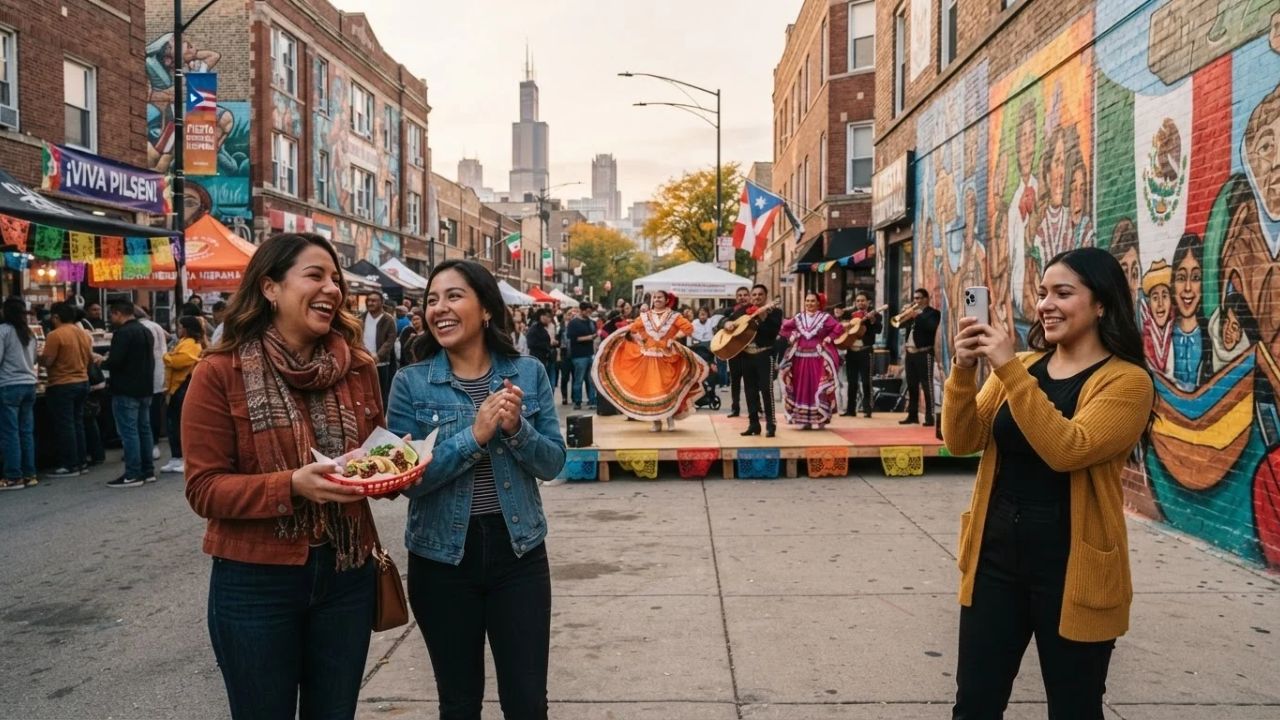
Chicago launches its citywide celebration of Hispanic Heritage Month on September 14, 2026, mobilizing community arts centers, culinary corridors, and live music stages across the city’s 77 distinct neighborhoods. Observed annually from September 15 to October 15 across the United States, the month-long commemoration honors the historical achievements, artistic legacies, and ongoing contributions of Hispanic and Latino communities. Supported by the City of Chicago’s Department of Cultural Affairs and Special Events (DCASE) alongside Choose Chicago, the 2026 programming transforms neighborhood streets into open-air cultural showcases that invite travelers to look past the downtown skyline and engage directly with authentic Latin American traditions.
Home to vibrant Mexican, Puerto Rican, and broader Central and South American diasporas, Chicago has grown into one of North America's premier cultural tourism destinations. From the colorful street murals and galleries of Pilsen to the Mexican commercial core of Little Village and the Afro-Caribbean sounds echoing beneath the steel Puerto Rican flags of Humboldt Park, the city offers an experiential journey through living traditions, innovative regional gastronomy, and community heritage.
The Local Trend: Cultural Immersion Across Chicago's 77 Neighborhoods
While architectural river cruises and Loop museums remain foundational attractions for first-time visitors, modern travelers are shifting their itineraries toward localized, neighborhood-first exploration. Hispanic Heritage Month accelerates this trend, providing structured entry points into neighborhoods that have maintained their distinct cultural identities across multiple generations.
The City of Chicago’s Department of Cultural Affairs and Special Events coordinates public programming that brings folkloric ballet, mariachi ensembles, Latin jazz orchestras, and open-air artisan markets to public plazas, community parks, and independent cultural institutions. This municipal backing ensures that cultural tourism generates direct economic benefits for family-run businesses, neighborhood bakeries, independent printmakers, and community performance spaces.
For international and domestic travelers, the timing is optimal. Mid-September marks the onset of Chicago's mild autumn season, characterized by crisp 16°C to 21°C days, comfortable walking temperatures, and golden foliage that frames neighborhood parks and historic greystone architecture.
Neighborhood Spotlights: The Cultural Anchors
Each of Chicago's historic Latino enclaves presents a unique cultural atmosphere, artistic medium, and culinary heritage:
Pilsen: Street Murals, Contemporary Art, and Mexican Heritage
Located just southwest of the Loop along the CTA Pink Line, Pilsen stands as the creative epicenter of Mexican-American visual arts in the Midwest:
- The National Museum of Mexican Art (NMMA): Situated in Harrison Park, this world-renowned institution offers free admission year-round and houses one of the largest permanent collections of Mexican, Mexican-American, and Chicano art in the United States, spanning ancient Mesoamerican artifacts to provocative modern multimedia. In mid-September, the museum unveils its celebrated annual Día de los Muertos (Day of the Dead) exhibition, transforming the galleries into a sensory sanctuary of hand-carved altars, yellow marigolds (cempasúchil), and remembrance installations.
- 16th Street Mural Corridor: Running for multiple blocks along the elevated railway embankment on 16th Street, this outdoor gallery features hundreds of murals created by local neighborhood painters and celebrated international muralists. The works narrate stories of indigenous heritage, immigrant labor, community solidarity, and civil rights.
- 18th Street Commercial District: The neighborhood's central artery is lined with independent bilingual bookstores, traditional tortillerias where fresh corn tortillas roll off presses daily, vintage clothing boutiques, and specialty coffee houses infused with cinnamon and piloncillo.
Little Village (La Villita): The "Mexico of the Midwest"
Continuing westward along 26th Street, Little Village represents the economic and cultural heart of Chicago’s Mexican community. Anchored by the iconic Little Village Arch—erected in 1990 and welcoming visitors with "Bienvenidos a Little Village"—26th Street ranks as the second-highest grossing retail corridor in the entire city of Chicago, surpassed only by Michigan Avenue's Magnificent Mile.
- 26th Street Mexican Independence Day Parade: Drawing hundreds of thousands of spectators each September to celebrate El Grito de Dolores, the parade fills the boulevard with marching bands, ornate charro equestrian riders in embroidered silver-studded suits, and folkloric dancers from diverse regional traditions.
- Artisanal Markets and Bakeries: Visitors can wander through animated mercados packed with hand-tooled leather boots, authentic pottery from Oaxaca and Puebla, and traditional panaderías sweetening the air with freshly baked conchas, cuernos, and orejas.
Humboldt Park: Puerto Rican Pride and Afro-Caribbean Rhythms
On Chicago’s West Side, Humboldt Park serves as the spiritual and cultural home of the Midwestern Puerto Rican community, anchored by the iconic Paseo Boricua corridor along Division Street:
- The Steel Gateway Flags: Marking each end of Paseo Boricua stand two monumental 59-foot-tall, 45-ton architectural flags made of galvanized steel. Created in 1995, these sculptures frame the corridor and celebrate the resilient identity of the neighborhood.
- National Museum of Puerto Rican Arts and Culture (NMPRAC): Housed in the historic, Queen Anne-style Humboldt Park stables built in 1895, this is the only museum in the mainland United States dedicated exclusively to Puerto Rican art, music, literature, and historical exhibits.
- Cultural Workshops and Bomba y Plena: Throughout Hispanic Heritage Month, neighborhood cultural centers host live performances of bomba and plena, Afro-Puerto Rican percussion and dance forms that rely on a rhythmic call-and-response dialogue between the lead drummer and the dancer's skirts.
West Town and Surrounding Creative Enclaves
Bridging historic settlement corridors, West Town and adjacent creative pockets showcase experimental Latin fusion theater, independent poetry slams at neighborhood coffee houses, and contemporary design studios that merge ancestral textile traditions with industrial modernism.
Gastronomic Traditions: From Historic Staples to Native Innovations
Food serves as the most immediate and sensory gateway to understanding Chicago's Latin American heritage. The city’s culinary scene encompasses both ancestral regional recipes and groundbreaking dishes invented right on Chicago pavement:
- The Jibarito (A True Chicago Invention): Invented in 1996 by restaurateur Juan "Peter" Figueroa at the former Borinquen Restaurant in Humboldt Park, the jibarito is a legendary local innovation. It replaces sandwich bread with flattened, twice-fried green plantains (tostones) crisped to golden perfection, brushed with pungent garlic butter (mojo de ajo), and packed with tender marinated flank steak, melted cheese, crisp lettuce, tomato, and mayonnaise.
- Slow-Cooked Carnitas: In Pilsen, multi-generational establishments like Carnitas Uruapan have spent decades perfecting Michoacán-style pork carnitas, slow-braising tender cuts in massive copper cauldrons until the meat achieves a meltingly tender interior and crisp exterior, served family-style with warm corn tortillas, pickled cactus (nopales), and fiery salsas.
- Ancestral Moles: Traditional Mexican kitchens across Pilsen and Little Village prepare rich, velvety moles requiring dozens of roasted ingredients, including dried ancho and pasilla chilies, Mexican chocolate, toasted sesame seeds, cloves, and pumpkin seeds, simmered slowly over many hours.
- Caribbean Island Delicacies: In Humboldt Park, taste mofongo—mashed fried green plantains seasoned with garlic, olive oil, and crispy pork cracklings (chicharrón)—served alongside tender shrimp simmered in savory tomato Creole sauce (criollo).
- Street Sweets and Beverages: Pair savory bites with street-side refreshments:
- Horchata: Cool, sweet rice milk infused with cinnamon and vanilla.
- Champurrado: A warm, thick, comforting morning drink made with masa de maíz, piloncillo, and Mexican dark chocolate.
- Tamales de Cazuela: Steamed in corn husks and purchased fresh from morning street vendors parked outside CTA stations.
Music and Performing Arts: Sounds of the Diaspora
Throughout the September 15 to October 15 window, performance venues across Chicago resonate with traditional and contemporary Latin rhythms:
- Mariachi Tradition: From intimate acoustic guitar and violin serenades at neighborhood family gatherings to grand symphonic performances at Millennium Park's Jay Pritzker Pavilion, mariachi ensembles share the rich storytelling tradition of western Mexico.
- Folklórico Dance: Colorfully tiered skirts swirl during ballet folklórico performances, where regional choreography from Jalisco, Veracruz, and Michoacán brings centuries-old agricultural and spiritual rituals to life on stage.
- Salsa and Latin Jazz: Venues throughout the city host live big-band salsa showcases and syncopated Latin jazz jams, celebrating the musical cross-pollination between Caribbean rhythms, African drum traditions, and American brass arrangements.
Local Visitor Insider Tips
To navigate Chicago’s Hispanic Heritage Month like an experienced cultural specialist, keep these practical tips in mind:
- Transit Strategy (The Pink Line Route): Avoid driving and parking hassles during festival weekends by riding the CTA Pink Line "L" train. The elevated route provides direct access from the downtown Loop straight to the heart of Pilsen (exit at 18th Street station, where the stairwells and platforms are covered in colorful painted murals) and continues through Little Village (stations at Damen, Western, California, and Kedzie). For Humboldt Park, take the CTA Blue Line to Damen or Western and connect via the Division Street bus.
- Visiting the National Museum of Mexican Art: While admission to NMMA in Pilsen is always free, weekend entry during the Día de los Muertos exhibition can attract large crowds. Visit on weekday mornings (Tuesday through Thursday) right at the 10:00 AM opening for unhurried viewing of the intricate altars.
- Cash for Street Vendors: While brick-and-mortar restaurants accept modern digital payments and credit cards, neighborhood paleteros (pushcart ice pop vendors), tamaleros, and open-air fruit stalls in Little Village and Humboldt Park operate primarily in cash. Carry small-denomination bills ($1, $5, and $10).
- Cultural Etiquette and Language: Spanish is widely spoken across shopfronts, bakeries, and markets in Pilsen, Little Village, and Humboldt Park. While business owners and staff are bilingual, greeting vendors with a courteous "Buenos días" or "Buenas tardes" and thanking them with "Muchas gracias" is warmly appreciated.
- Combining Neighborhood Heritage with Downtown Landmarks: Pair daytime neighborhood walking tours with evening cultural programming in the Loop. Stroll the Chicago Riverwalk, explore the Mesoamerican and Pre-Columbian art wings at the Art Institute of Chicago on Michigan Avenue, or catch a free live concert under the steel ribbons of Millennium Park's Pritzker Pavilion.
Tourism Outlook: The Lasting Power of Cultural Tourism
Chicago’s month-long celebration of Hispanic Heritage Month highlights the enduring value of grassroots cultural identity in shaping global destination appeal. Rather than presenting static historical displays, the city invites visitors to sit at community tables, walk beside working muralists, and listen to music that has sustained neighborhoods through decades of change.
By channeling travel interest into multi-generational neighborhood economies, Chicago proves that sustainable cultural tourism thrives when travelers honor and invest in the local communities that give a world-class city its authentic soul.
Related Travel Guides
- Dorset Adopts 10-Year Sustainable Tourism Blueprint to Protect Jurassic Coast and Durdle Door Heritage
- France Expands Grande Randonnée Hiking Network: How the GR Trail System Is Driving Sustainable Slow Travel
- British Virgin Islands and Puerto Rico Forge Strategic Alliance to Boost Sustainable Boating and Blue Economy
Disclaimer
This article is for informational and educational purposes only. It does not constitute legal, financial, or professional advice. While we strive to provide accurate and up-to-date information, travel policies, regulations, and conditions change rapidly. Always verify information with official sources before making travel decisions. Nomad Lawyer makes no representations about the accuracy, reliability, completeness, or suitability of the information provided. Readers should consult qualified professionals for advice specific to their circumstances. The views expressed in this article are those of the author and do not necessarily reflect the views of Nomad Lawyer.
Raushan Kumar
Founder & Lead Developer
Full-stack developer with 11+ years of experience and a passionate traveller. Raushan built Nomad Lawyer from the ground up with a vision to create the best travel and law experience on the web.
Learn more about our team →