
Onboard Circular Economy: Carnival Cruise Line Launches Shoe Recycling Initiative
Carnival Cruise Line partners with Sneaker Impact to collect, reuse, and recycle footwear across its United States domestic fleet.

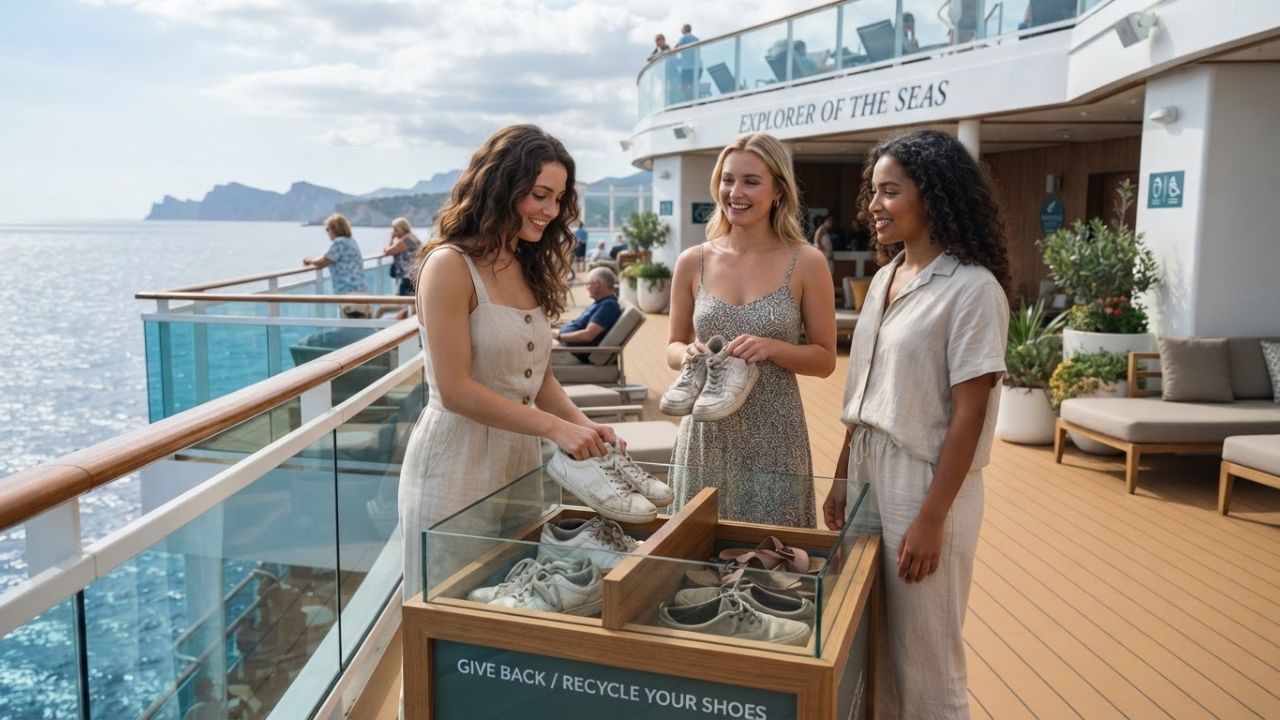
Image generated by AI
Carnival Cruise Line has partnered with Sneaker Impact to launch a fleet-wide footwear recycling program across its United States domestic vessels, diverting tens of thousands of shoes from coastal landfills.
The maritime cruise industry is experiencing a notable shift where companies integrate waste mitigation directly into the guest experience. For the visitor, the real impact is a practical, low-barrier opportunity to contribute to environmental preservation while on vacation. Instead of simply throwing away old, worn, or unwanted shoes at the end of a cruise, guests and crew members can now place them in designated collection bins located across Carnival Cruise Line's domestic fleet.
The program also processes unclaimed shoes left behind in passenger staterooms or crew quarters after voyages. This collaborative, proactive passenger-involved effort helps address a category of municipal solid waste—footwear—that is historically difficult to process through traditional shipboard sorting and recycling systems. Footwear often contains complex mixtures of glued materials, synthetic fabrics, metal eyelets, and vulcanized rubbers that require specialized mechanical separation, making them unsuitable for standard shipboard compactors or municipal recycling facilities, making this partnership a critical and highly necessary step toward fleet-wide waste reduction.
Processing Operations at the Miami Reclamation Facility
The logistics of the footwear program depend on a structured supply chain. Once collected aboard the ships, the shoes are consolidated and transported to Sneaker Impact's specialized reclamation facility in Miami, Florida. Here, processing workers inspect and categorize each pair to determine its most sustainable lifecycle path:
- Wearable Footwear: Shoes that remain in good condition are separated to support micro-enterprise resell markets.
- Unwearable Footwear: Shoes that are heavily damaged or split are shredded to recover primary materials like rubber, foam, and synthetic fibers.
These recovered components are repurposed as raw materials for manufacturing new items, including yoga mats, athletic track surfaces, playground flooring, and new footwear components. By keeping these materials in circulation, the initiative prevents them from reaching Florida's municipal landfills, supporting a local circular economy. This specialized separation process highlights the complexity of recycling consumer goods, requiring dedicated sorting tables and mechanical shredders to extract clean polymer and rubber fractions from composite shoes.
Social and Economic Benefits for International Developing Communities
The program goes beyond basic waste management, linking domestic cruise operations with micro-economic development in developing countries. Wearable shoes collected through the initiative are shipped to regional partners who distribute them to local entrepreneurs in developing economies.
These small business owners clean, repair, and sell the footwear in local markets, generating a stable source of household income and providing affordable footwear to rural populations. This model demonstrates how a simple action taken by a passenger on a cruise ship can support small business owners and community resilience thousands of miles away, adding social value to environmental conservation efforts. This micro-reselling market stimulates local trade, promotes entrepreneurship, and extends the lifespan of quality shoes, keeping them out of local developing landfills as well.
Evolving Environmental Standards in the Global Cruise Sector
The partnership represents the first large-scale collaboration between a major cruise line and Sneaker Impact. Early trials conducted across five participating ships showed strong performance, diverting more than 500 pairs of shoes in a single month. If expanded across Carnival's entire US domestic fleet, the company estimates the program has the potential to process and give new life to around 50,000 pairs of shoes annually.
This initiative aligns with a broader industry effort to manage waste streams, optimize fuel efficiency, and minimize environmental footprints. While the program does not alter ticket pricing, cabin booking rules, or cruise itineraries, it highlights how cruise lines are utilizing partnerships with environmental groups to engage passengers directly in circular tourism models. These programs are closely monitored by environmental agencies such as the Florida Department of Environmental Protection to ensure compliance with land and sea waste management standards, proving the viability of public-private partnerships in maritime conservation.
Environmental Value and Low-Impact Onboard Campaigns
For the visitor, the real impact of these onboard programs is the promotion of a zero-waste mindset while traveling. Beyond the shoe collection bins, Carnival has implemented food waste digestors and paper-reduction policies. These combined efforts demonstrate how a major cruise brand can align its operations with low-impact travel trends, helping travelers reduce their carbon footprint and waste production during their voyages. This supports the long-term sustainability of the cruise sector.
Destination Expert Insider Tips for PortMiami Cruise Departures
To help travelers navigate their departure from PortMiami, the homeport of many participating Carnival vessels, local destination specialists suggest the following insider tips:
- Navigate Terminal Parking Wisely: PortMiami offers secure parking garages at each terminal for $22 to $30 per day. Garages accept major credit cards and U.S. Traveler's Checks, but they do not accept debit cards. Arrive before 10:00 AM during peak season to avoid long queue times, and guarantee a space by booking parking reservations online in advance.
- Utilize Free Public Transit: The free Coral Way Trolley is the only public transit option providing direct access to the port terminals. You can ride the Metrorail to the Government Center station and transfer to the trolley, saving on high parking fees and taxi fares.
- Explore Bayside Marketplace Without Bags: Located near the port, Bayside is a popular, open-air shopping area featuring the Skyviews Miami Observation Wheel. To explore comfortably on embarkation day, drop your heavy luggage at the terminal first or use a luggage-storage service in the city.
- Enjoy Authentic Cuban Cafecito: Before boarding your ship, try a traditional Cuban cafecito (sweetened espresso shot) or a cortadito (espresso with steamed milk) at Little Havana's iconic Versailles restaurant or Islas Canarias. Pair it with a fresh, savory ham or cheese croqueta.
- Donate Old Shoes Onboard: Pack a pair of worn running shoes or sneakers you plan to retire. Look for the designated Sneaker Impact collection bins on your Carnival vessel after embarkation to donate them responsibly before heading home, ensuring they are clean, dry, and tied together.
Long-Term Outlook for Circular Tourism Models
The long-term outlook for circular tourism is positive, supported by changing traveler expectations and stricter environmental regulations in coastal regions. Modern travelers are increasingly selecting holiday operators based on their waste management, recycling, and carbon footprint reduction programs.
As programs like the footwear initiative expand, they set a precedent for how travel companies can address hard-to-recycle materials. By partnering with specialist processing organizations and involving passengers directly, cruise lines can build transparent, auditable circular supply chains that support local economies, conserve natural resources, and protect fragile marine environments across their destination networks. These efforts align with the International Maritime Organization's MARPOL conventions, which govern waste discharge and environmental protection at sea, illustrating how voluntary industry initiatives can exceed baseline regulatory compliance to establish new benchmarks for sustainable maritime travel. This structured approach helps ensure that the economic and environmental benefits of tourism are shared directly and equitably with destination ports and local communities worldwide, fostering a more sustainable future for travel.
Related Travel Guides
Disclaimer
This article is for informational and educational purposes only. It does not constitute legal, financial, or professional advice. While we strive to provide accurate and up-to-date information, travel policies, regulations, and conditions change rapidly. Always verify information with official sources before making travel decisions. Nomad Lawyer makes no representations about the accuracy, reliability, completeness, or suitability of the information provided. Readers should consult qualified professionals for advice specific to their circumstances. The views expressed in this article are those of the author and do not necessarily reflect the views of Nomad Lawyer.
Kunal K Choudhary
Co-Founder & Contributor
A passionate traveller and tech enthusiast. Kunal contributes to the vision and growth of Nomad Lawyer, bringing fresh perspectives and driving the community forward.
Learn more about our team →