
Mexico Doubles Cruise Passenger Fee: New Travel Costs Take Effect in 2026
Mexico implements a revised $10 cruise passenger fee under the DNR system, with scheduled increases reaching $21 by 2028.

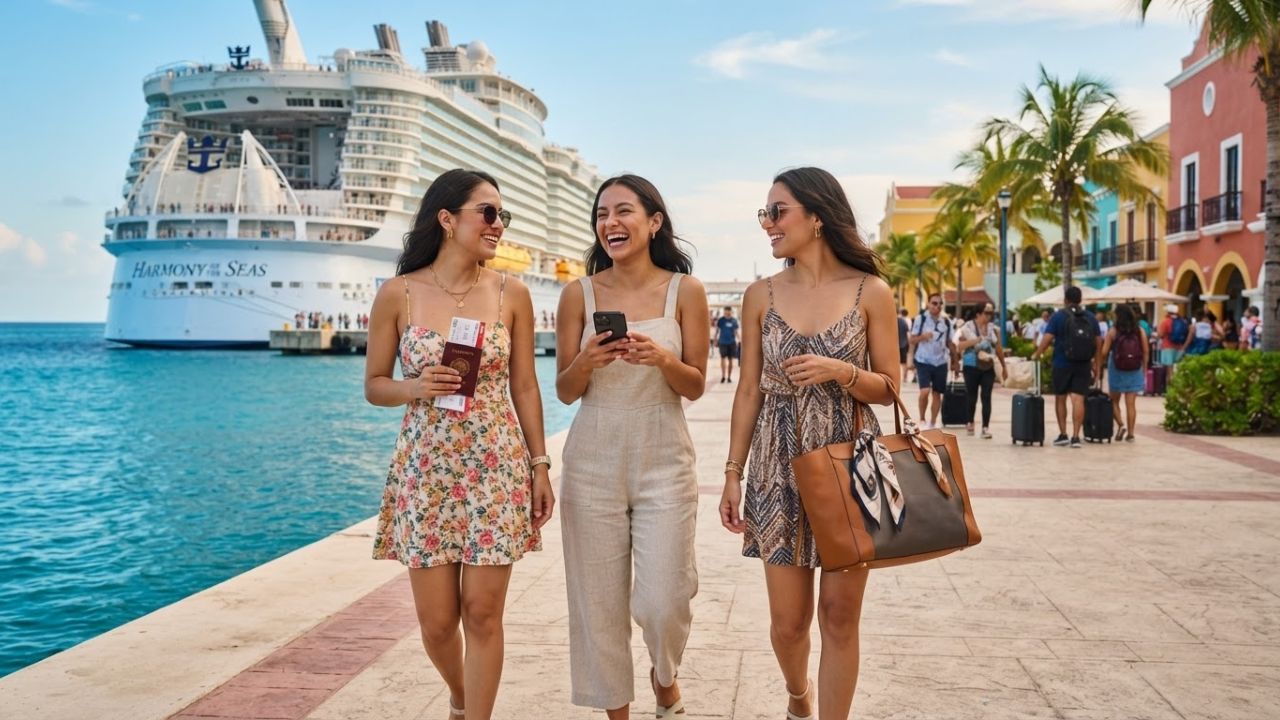
Image generated by AI
Mexico has doubled its international cruise passenger fee to $10 beginning August 1, 2026, as part of a phased increase under the Non-Resident Duty system that will reach $21 by 2028, targeting infrastructure funding and environmental protection.
The global cruise industry is adapting to a growing trend where popular destinations revise visitor fee models to support local infrastructure and protect natural ecosystems. For the traveler, the real impact is a minor cost adjustment that helps preserve the fragile environments they travel to explore. By shifting from immediate, high-rate fee models to gradual, predictable structures, governments allow cruise operators and travel planners sufficient time to incorporate these updates into future pricing and itinerary scheduling, ensuring that the cost burden is distributed transparently without shocking the consumer market.
In Mexico, this strategy is highlighted by the expansion of the Non-Resident Duty (Derecho de No Residente or DNR) system. Originally established in 2021 with a base fee of $5, the structure has transitioned to its second stage. Beginning August 1, 2026, the fee has doubled to $10. Rather than requiring passengers to stand in queues or make payments at the port terminals upon disembarking, the fee is collected directly by cruise lines at the time of booking, appearing under port fees or local taxes. This gradual schedule will proceed through the following periods:
- July 2025 – July 2026: $5
- August 2026 – June 2027: $10
- July 2027 – July 2028: $15
- August 2028 – September 2030: $21
This phased model provides a clear timeline for the industry, ensuring that destinations remain competitive while generating the revenue necessary to manage increasing visitor volumes. This approach balances Mexico’s destination appeal with the financial realities of maintaining world-class port facilities.
Impacts on Major Caribbean and Pacific Port Gateways
This revised cost structure directly affects major cruise gateways along both the Caribbean and Pacific coasts of Mexico. These gateways depend heavily on cruise visitors to support local economies:
- Cozumel and Costa Maya (Quintana Roo): Cozumel remains one of the world's busiest cruise destinations, acting as a critical stop for Caribbean itineraries departing from the United States. The island's merchants, taxi unions, and dive shops rely on steady guest volumes to sustain their livelihoods.
- Puerto Vallarta (Jalisco): A major Pacific coast destination, connecting visitors to the regional culture and gastronomy of Jalisco.
- Cabo San Lucas (Baja California Sur) and Ensenada (Baja California): Popular ports of call for Pacific Coast and Mexican Riviera itineraries departing from California, offering scenic desert views and marine wildlife encounters.
Despite the introduction of the doubled fee, official tourism data from Mexico's Secretariat of Tourism (SECTUR) reported strong growth in passenger arrivals during the first half of 2026. This performance indicates that Mexico's coastal destinations remain highly attractive to international travelers, even as port-related costs are adjusted to reflect modern operational requirements, proving that traveler demand is resilient.
Revenue Reinvestment in Infrastructure and Ecosystem Protection
The primary objective of the DNR fee is to generate dedicated funds for tourism infrastructure and environmental conservation. Heavy cruise traffic puts pressure on local sewage networks, freshwater supplies, and municipal services in coastal towns. By collecting these passenger fees, local authorities can invest in road maintenance, port facilities, and tourist safety programs.
A key focus of these conservation efforts is the protection of protected marine areas, such as the Arrecifes de Cozumel National Marine Park, which belongs to the Mesoamerican Barrier Reef System. These reef structures are highly sensitive to anchoring, sunscreen pollution, and physical contact. The funds generated by the passenger fee help finance reef monitoring, beach cleaning, and local conservation initiatives coordinated by the National Commission of Protected Natural Areas (CONANP), ensuring that these underwater systems remain healthy for future generations of snorkelers and divers.
Budget Considerations for Multi-Passenger and Family Bookings
While a $10 fee represents a minor charge for individual travelers, the cost becomes more visible when calculated for families and larger groups:
- 2026 Fee Level ($10): A family of four pays an additional $40 compared to $20 under the previous $5 rate.
- 2027 Fee Level ($15): The cost for a group of four rises to $60.
- 2028 Fee Level ($21): The total fee for a group of four reaches $84.
Travel advisors and cruise planners must factor these scheduled changes into their price comparisons, particularly for budget-conscious families comparing western Caribbean and Mexican Riviera itineraries with other regional options, ensuring they are fully aware of the total travel costs. Transparency in fee disclosure helps prevent surprise charges on the final booking invoice.
Destination Expert Insider Tips for Cozumel Cruise Port Visits
To help travelers experience Cozumel's culture and marine environments responsibly, local destination specialists suggest the following insider tips:
- Time Your Visit for Shoulder Season: To avoid the largest cruise crowds and enjoy lower rates, plan your cruise for the shoulder months of May or November. Avoid September and October if you dislike heavy rain, as these are the wettest months of the year, carrying higher storm and hurricane risks.
- Savor Authentic Cochinita Pibil: Cochinita Pibil—slow-roasted marinated pork—is a delicious regional specialty traditionally eaten on weekends. On Sunday mornings, look for local, family-run food stalls with "Rico Pibil" signs on Calle 23, or visit historic Casa Denis in the main square.
- Explore the Arrecifes de Cozumel Marine Park: To explore the famous Palancar or Santa Rosa Wall reefs, you must hire a professional tour operator authorized by CONANP. Follow your captain's instructions, do not stand on or touch the coral reef formations, and wear biodegradable sunscreen to protect the fragile marine ecosystem.
- Choose Taxis Over Colectivos: Local colectivos (public vans) connect residential areas and are not suited for cruise passengers. Taxis have fixed, regulated rates posted at the piers; always confirm the fare with the driver before getting in to avoid misunderstandings, or hire a private licensed driver for a full-day tour.
- Contact CAPTA for Official Help: If you encounter any service issues or require official tourist assistance, visit the Center for Tourist Assistance and Protection (CAPTA) located in Altos Plaza del Sol, call (987) 86 984 58 directly, or email
[email protected].
Long-Term Economic Outlook for Mexico's Cruise Destinations
The long-term outlook for Mexico’s cruise sector is positive, supported by the country's diverse port offerings, rich cultural heritage, and proximity to major US cruise homeports. By balancing commercial growth with environmental stewardship, Mexico sets a precedent for how destinations can manage high-volume cruise tourism without compromising their natural assets.
As the DNR fee increases toward its scheduled $21 cap in 2028, travel planners and cruise operators will monitor traveler demand closely. If the generated funds are transparently reinvested in municipal infrastructure, marine park conservation, and tourist safety, these cost changes will support a sustainable model for cruise tourism, helping local retailers, transportation networks, and restaurants thrive alongside international operators, securing the economic viability of coastal communities, local business operators, hoteliers, transport providers, and tourism workers for decades to come.
Related Travel Guides
Disclaimer
This article is for informational and educational purposes only. It does not constitute legal, financial, or professional advice. While we strive to provide accurate and up-to-date information, travel policies, regulations, and conditions change rapidly. Always verify information with official sources before making travel decisions. Nomad Lawyer makes no representations about the accuracy, reliability, completeness, or suitability of the information provided. Readers should consult qualified professionals for advice specific to their circumstances. The views expressed in this article are those of the author and do not necessarily reflect the views of Nomad Lawyer.
Kunal K Choudhary
Co-Founder & Contributor
A passionate traveller and tech enthusiast. Kunal contributes to the vision and growth of Nomad Lawyer, bringing fresh perspectives and driving the community forward.
Learn more about our team →