
Carnival Cruise Line Outpaces Royal Caribbean in 2026 Coastal Sailing Expansion Across North America
Carnival Cruise Line dominates the new shift toward short-haul coastal voyages, leveraging strategic homeport updates to beat Royal Caribbean in regional accessibility.
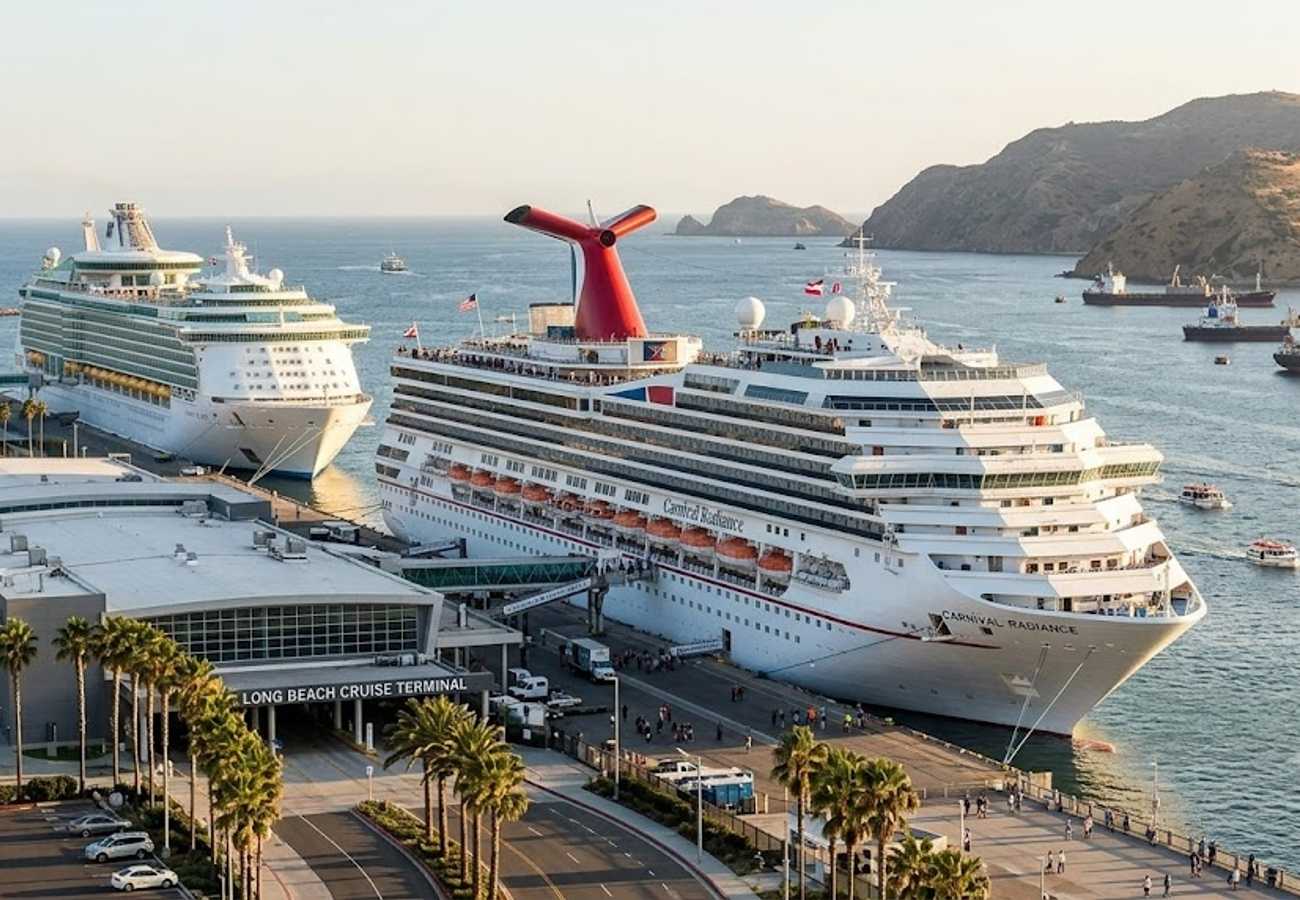
Image generated by AI
The cruise industry is pivoting toward "micro-vacations," with Carnival Cruise Line currently outpacing Royal Caribbean by dominating short-duration coastal itineraries and strategic regional homeport accessibility.
The Shift Toward Regionalism
A significant transformation is occurring in the maritime sector as major operators move away from exclusively long-haul voyages toward flexible, short-term coastal deployments. Carnival Cruise Line has emerged as the frontrunner in this expansion, specifically targeting the demand for high-value, low-time-commitment getaways. By optimizing homeport logistics and introducing aggressive short-stay deals, Carnival is capturing a demographic of travelers who prioritize convenience over traditional week-long itineraries.
The current strategy focuses on "regionalism"—the practice of utilizing primary domestic ports to feed shorter loops. For the modern traveler, this removes the friction of long flights to distant embarkation points, making a cruise as accessible as a weekend road trip.
Strategic Coastal Deployments
Carnival's lead is most evident in its West Coast operations. The deployment of ships such as the Carnival Radiance has solidified its presence in the Baja California corridor, focusing on high-frequency 3- to 5-day trips. Key stops including Ensenada and Catalina Island are now central to a strategy that balances quick escapes with long-term regional tourism agreements.
Royal Caribbean International is responding with a massive Pacific coastline presence. Their strategy extends from California up through the Pacific Northwest and into British Columbia, utilizing hubs like Seattle, Los Angeles, and Galveston. While Carnival wins on the "short-burst" market, Royal Caribbean is focusing on the integration of cutting-edge shipboard technology to enhance the experience of these regional loops.
Beyond the primary rivalry, other luxury and niche lines are carving out specific coastal territories:
- Celebrity Cruises: Specializing in high-end Pacific Northwest routes and European corridors, including the Greek Isles and the Amalfi Coast.
- Princess Cruises: Maintaining a stronghold on the Alaskan Inside Passage and traditional Pacific Coast vistas.
- Norwegian Cruise Line: Focusing on diverse island hopping across the Baltic and Norwegian Fjords.
2026 Coastal Sailing Comparison Matrix
| Cruise Line | Primary Coastal Regions | Key Homeports & Routes |
|---|---|---|
| Carnival Cruise Line | Baja California, Pacific Coast, New England, Canada | Long Beach, San Francisco; 3- to 5-day trips to Ensenada and Catalina Island |
| Royal Caribbean | Pacific Coast, Pacific Northwest, British Columbia, New England, Canada | Seattle, Los Angeles, Galveston; extensive regional loops |
| Celebrity Cruises | Pacific Northwest, Alaska, Mediterranean, Greek Isles | Vancouver, Seattle, European hubs; upscale scenic exploration |
| Princess Cruises | Alaska, Inside Passage, Pacific Coast, Mexican Riviera, Europe | Seattle, San Francisco, Los Angeles; glacier and shoreline routes |
| Norwegian Cruise Line | Pacific Coastal, New England, Canada, Mediterranean, Baltic | Seattle, New York, European terminals; regional island hopping |
| Disney Cruise Line | North American coasts, private destinations | San Diego, New York, Galveston, Port Canaveral; family-centric alignments |
| Holland America | Pacific Northwest, Alaska, Canada, New England, Europe | Seattle, Vancouver, European bases; traditional maritime exploration |
Cultural and Environmental Value
For the visitor, the real impact of this shift is a deeper, more frequent connection with coastal communities. By moving toward shorter, more frequent stops, cruise lines are facilitating a different kind of tourism—one that favors regional gastronomy and local heritage over "bucket list" checklists.
In the Baja California corridor, strategic partnerships are being implemented to ensure that the surge in passenger traffic supports sustainable community growth. The focus is shifting toward cultural excursions that provide direct economic benefits to local artisans and guides rather than relying solely on large-scale commercial ports. This model, supported by regional conservation bodies, aims to mitigate the environmental footprint of high-frequency sailings while maximizing the socio-economic gain for port cities.
Visitor Insider Tips
To make the most of the new coastal expansion, travelers should consider these local insights:
- The "Shoulder Season" Window: For Pacific Northwest and Alaskan routes (Celebrity and Princess), visit during the late August to September window. You avoid the peak summer crowds while still catching the best wildlife sightings and autumn foliage.
- Baja Etiquette: When visiting Ensenada or Catalina Island, prioritize small, locally-owned "taquerias" and craft markets over the cruise-line-sanctioned shopping malls to ensure your spending supports the local economy.
- Port Logistics: For those using Long Beach or San Francisco homeports, arrive at least 4 hours early. The surge in short-haul "weekend" cruisers has led to significant congestion at terminals during Friday embarkation.
- Sustainable Packing: Carry reusable water bottles and bags. Many coastal ports in British Columbia and the Pacific Northwest have strict single-use plastic restrictions.
Tourism Outlook
The move toward flexible regionalism is not a temporary trend but a structural shift in the cruise industry. As the demand for "work-from-anywhere" flexibility grows, the ability to embark on a 3-day coastal loop without sacrificing luxury is becoming a primary selling point.
Industry analysts expect that the competition between Carnival and Royal Caribbean will drive further investment in private shoreside developments and more sustainable port infrastructure. The long-term winner will be the operator that can best balance high-volume passenger turnover with genuine environmental stewardship and local community integration.
The era of the month-long voyage is being challenged by the rise of the accessible, high-impact coastal escape.
Related Travel Guides
Disclaimer
This article is for informational and educational purposes only. It does not constitute legal, financial, or professional advice. While we strive to provide accurate and up-to-date information, travel policies, regulations, and conditions change rapidly. Always verify information with official sources before making travel decisions. Nomad Lawyer makes no representations about the accuracy, reliability, completeness, or suitability of the information provided. Readers should consult qualified professionals for advice specific to their circumstances. The views expressed in this article are those of the author and do not necessarily reflect the views of Nomad Lawyer.