
Belize and Aruba Lead Caribbean Region in Rising Tourist Tax Costs for 2026
Belize and Aruba now rank among the Caribbean's highest tourist tax destinations. Discover 2026 visitor fees, departure taxes, and costs for island travel.

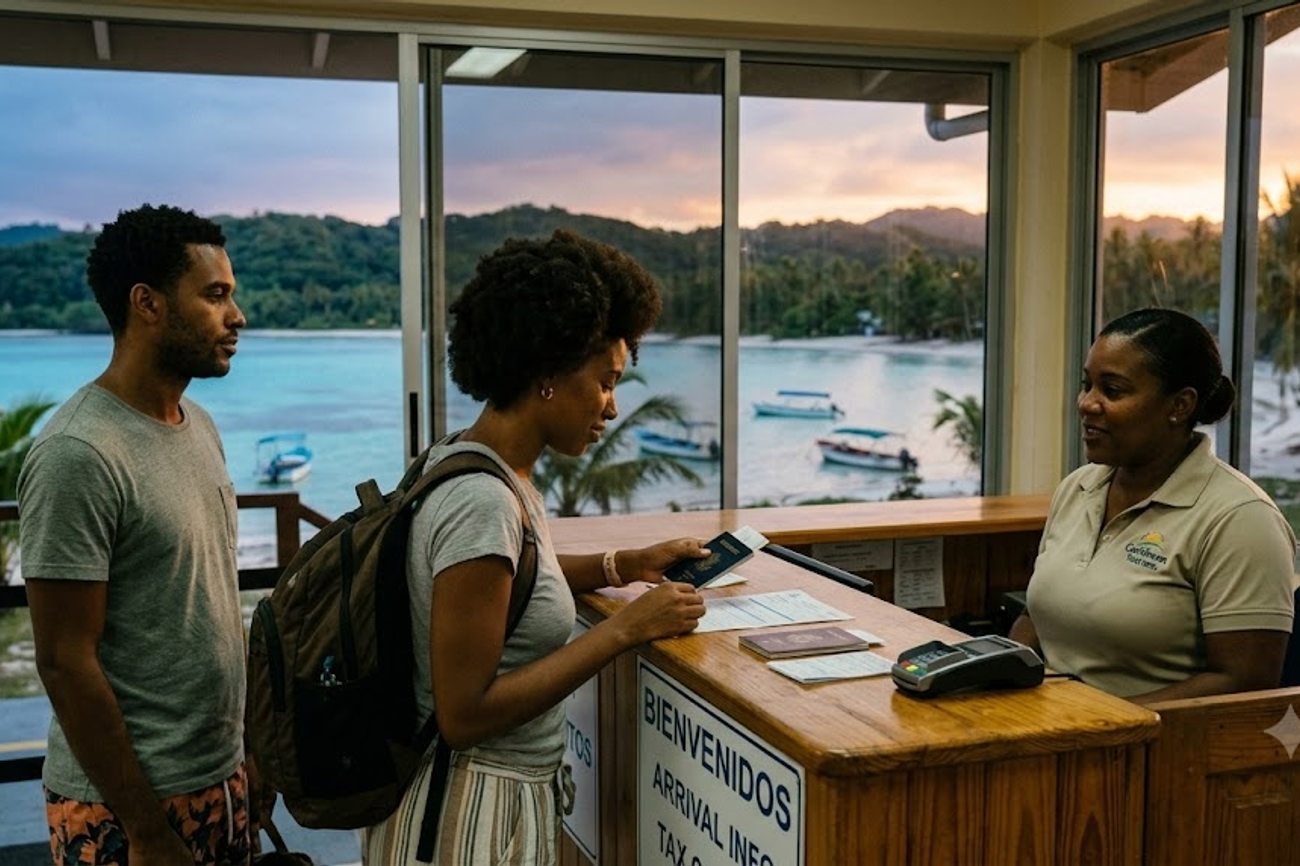
Image generated by AI
[City, September 8, 2026] — Travelers heading to the Caribbean in 2026 are encountering a new financial reality as several island nations significantly increase visitor fees to offset the costs of environmental degradation and infrastructure strain. Belize and Aruba have emerged as the region's most expensive destinations regarding departure levies, while The Bahamas has pivoted toward higher charges for the high-volume cruise sector.
These fiscal adjustments come as Caribbean governments move away from traditional funding models, opting instead for direct visitor contributions to finance the upkeep of beaches, airport expansions, and essential visitor services. While these costs are often bundled into airline tickets or resort bills, the cumulative impact is creating a noticeable price hike for budget-conscious travelers.
High-Cost Destinations for International Arrivals
The landscape of Caribbean travel costs has shifted, with the highest financial burdens now falling on those visiting hubs with high international arrival rates and luxury tourism sectors. Belize currently stands as one of the most expensive exits in the region, where combined departure-related charges hover around US$40.
Aruba follows closely, maintaining a stringent airport departure tax of approximately US$37, cementing its position as one of the most costly air-exit points in the Caribbean. Meanwhile, The Bahamas has targeted the maritime sector, increasing cruise passenger departure taxes to a range between US$23 and US$30, depending on the specific port of call and the type of vessel utilized.
These charges are rarely labeled as a singular "tourist tax." Instead, governments employ a fragmented system of levies. These include environmental contributions, tourism enhancement fees, accommodation levies, and airport departure charges. Because many of these are integrated into the initial booking price of a flight or hotel stay, the true cost of these taxes often remains invisible until the final invoice is processed.
Strategic Shift Toward Sustainability Funding
The surge in visitor fees is not an isolated trend but a coordinated regional strategy. Caribbean economies are heavily reliant on tourism, yet they are simultaneously facing unprecedented costs associated with climate adaptation and coastal protection.
The pressure on infrastructure is immense. With millions of arrivals annually, there is a constant demand for upgraded cruise terminals, modernized airports, and more robust waste management systems. Officials argue that the current volume of tourism creates a "wear and tear" effect on natural assets that cannot be sustained through general taxation alone.
In Belize, the departure tax package is designed to provide a direct stream of revenue for national services and tourism development. By placing the cost on the departing traveler, the government ensures that those who utilize the infrastructure contribute directly to its longevity.
Similarly, The Bahamas is addressing the specific challenges of "high-volume, short-stay" tourism. Cruise passengers arrive in thousands but often spend less per capita than long-term hotel guests. By increasing cruise departure fees to US$23 or more, the government is attempting to capture a fairer share of the revenue needed to manage the environmental impact of massive cruise ships on local ports.
Detailed Comparison of 2026 Caribbean Visitor Fees
The following data outlines the specific charges across the region, highlighting the variance between flat departure fees and percentage-based accommodation taxes.
| Caribbean Country / Territory | Main Tourist Tax or Fee | Approximate Cost in 2026 | Who Pays | Purpose / Notes |
|---|---|---|---|---|
| Belize | Departure tax package | Around US$40 | International departing travellers | Supports airport operations and tourism development |
| The Bahamas | Cruise passenger departure tax | US$23–30 | Cruise visitors | Adjusted for high-volume maritime tourism |
| Aruba | Airport departure tax | Around US$37 | Departing air passengers | One of the region's highest air taxes |
| Barbados | Airport departure tax + accommodation levies | Around US$27.50 departure tax | Air travellers and hotel guests | Supports public services and infrastructure |
| Dominican Republic | Tourist card / accommodation taxes | Around US$10 tourist card fee | International visitors | Often bundled into airline tickets |
| Jamaica | Tourism enhancement and passenger fees | Around US$20 tourism enhancement fee | International visitors | Funds visitor infrastructure |
| Saint Lucia | Accommodation tourism levy | Around 8% on accommodation | Hotel and resort guests | Applied to lodging expenditures |
| Dominica | Visitor and accommodation charges | Variable; proposals around US$30 | International visitors | Focuses on nature tourism and infrastructure |
| Antigua and Barbuda | Tourism taxes and service charges | Around 8.5% tourism tax | Visitors using tourism services | Applied via consumption taxes |
| Grenada | Tourism-related taxes | Around 8% tourism tax | Visitors consuming tourism services | Applied to accommodation and purchases |
Infrastructure Pressure and Environmental Mandates
The rationale behind these increases is rooted in the fragility of the Caribbean ecosystem. Coral reefs, white-sand beaches, and marine biodiversity are the primary drivers of the regional economy, but they are also the most vulnerable to climate change and coastal erosion.
Governments are increasingly framing these taxes as "environmental contributions." The logic is that the visitors who enjoy these natural wonders should bear the financial responsibility for their protection. This shift is particularly evident in Dominica, where variable visitor levies are being proposed to specifically fund nature tourism and sustainability projects.
Furthermore, the logistical strain of managing millions of visitors requires constant investment. From road repairs to the expansion of sewage treatment plants to prevent ocean pollution, the overhead of being a top-tier global destination has risen sharply.
Why This Matters: The Traveler's Perspective
For the modern traveler, these developments mean that "sticker price" is no longer the final cost of a Caribbean vacation. The shift toward bundled taxes means travelers must look closer at the fine print of their airline and hotel bookings to understand the total expenditure.
From a logistical standpoint, the rise in departure taxes—particularly in Belize and Aruba—creates a higher financial barrier for budget travelers and "digital nomads" who may move between islands. For the cruise industry, these fee hikes may eventually lead to higher ticket prices for passengers as cruise lines pass the costs of port taxes down to the consumer.
Ultimately, this represents a transition from "mass tourism" to "value-based tourism." By increasing the cost of entry and exit, Caribbean nations are attempting to ensure that tourism remains a viable economic engine without destroying the natural beauty that makes the region attractive in the first place.
Related Travel Guides
Disclaimer
This article is for informational and educational purposes only. It does not constitute legal, financial, or professional advice. While we strive to provide accurate and up-to-date information, travel policies, regulations, and conditions change rapidly. Always verify information with official sources before making travel decisions. Nomad Lawyer makes no representations about the accuracy, reliability, completeness, or suitability of the information provided. Readers should consult qualified professionals for advice specific to their circumstances. The views expressed in this article are those of the author and do not necessarily reflect the views of Nomad Lawyer.
Raushan Kumar
Founder & Lead Developer
Full-stack developer with 11+ years of experience and a passionate traveller. Raushan built Nomad Lawyer from the ground up with a vision to create the best travel and law experience on the web.
Learn more about our team →