
Caribbean Tourism 2030: Barbados Joins Jamaica, Bahamas, Saint Lucia, and Puerto Rico in Launching Region’s Most Ambitious Sustainable Growth and Cultural Tourism Strategy: New Travel Alert
Caribbean Tourism 2030 strategy emerges as Barbados, Jamaica, and the Bahamas launch sustainable growth, eco-tourism, and visa-free travel programs.

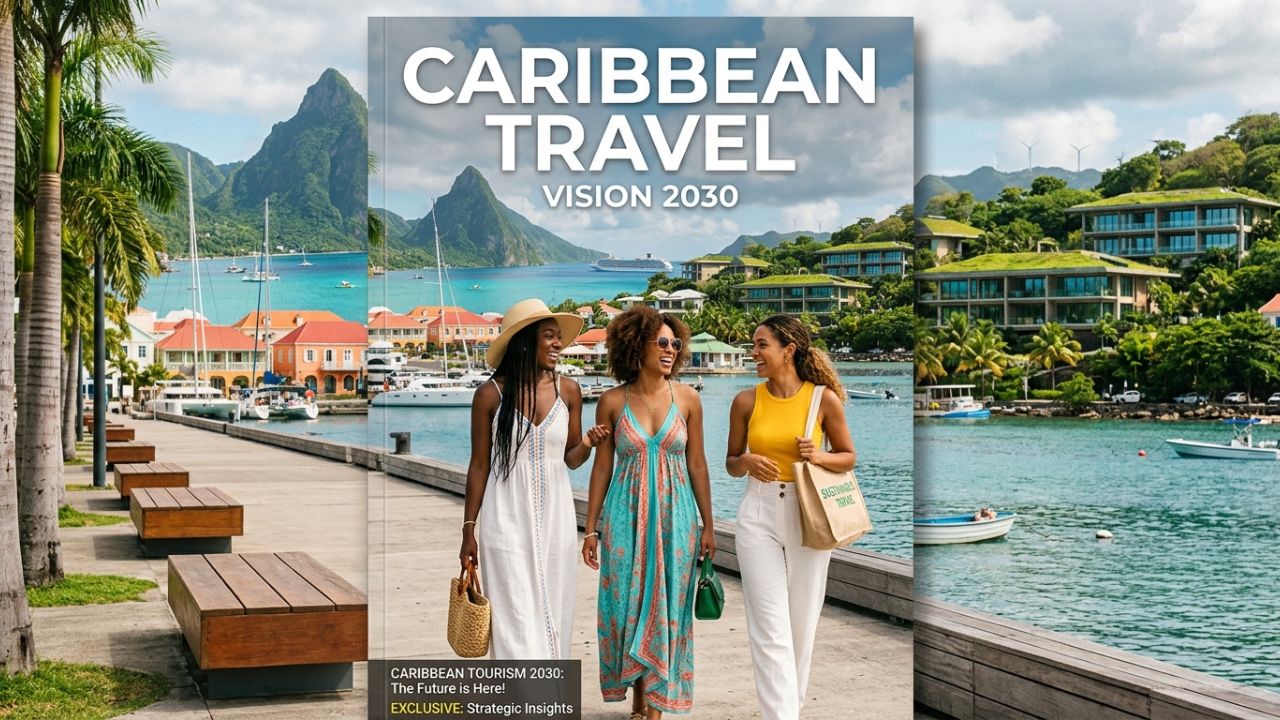
Image generated by AI
Published on June 19, 2026
A transformative travel era is unfolding as Caribbean Tourism 2030 emerges as the region’s most ambitious strategy to deliver sustainable growth, cultural richness, and world-class visitor experiences on June 19, 2026. Barbados, Jamaica, the Bahamas, Saint Lucia, and Puerto Rico are actively implementing targeted programs to protect natural assets, strengthen local communities, and enhance connectivity. Global travelers planning trips to the islands should expect more personalized, digital-first, and eco-friendly vacation opportunities as these destinations restructure their tourism models.
Quick Summary
- Regional Strategic Shift: The Caribbean Hospitality Industry Exchange Forum (CHIEF) 2026 in Barbados will focus on advancing greener, smarter, and more resilient tourism.
- Core Pillars of 2030: The regional roadmap shifts the focus from raw visitor numbers to high-value travel, environmental stewardship, and community wealth building.
- Targeted Island Priorities: Key hubs like Bridgetown, Kingston, Nassau, Castries, and San Juan are leading programs in climate resilience, eco-tourism, and digital innovation.
- China Visa-Free Policy: Barbados, Jamaica, the Bahamas, Dominica, Antigua and Barbuda, Uruguay, and Haiti are introducing visa-free entry to capture China's tourism market.
The upcoming regional gathering represents a critical milestone in Caribbean development. Industry leaders and policymakers are preparing for the Caribbean Hospitality Industry Exchange Forum (CHIEF) 2026, hosted in Barbados, to address emerging climate and economic challenges. For international travelers and hotel developers, this holiday travel update outlines the strategic shifts, technology investments, and sustainable policies currently reshaping the island networks.
Event and Incident Details: Caribbean Hospitality Leaders Align on 2030 Sustainable Roadmap
Caribbean tourism leaders are preparing a green, smart, and connected travel framework at the upcoming Caribbean Hospitality Industry Exchange Forum (CHIEF) 2026. The forum, scheduled in Barbados, will bring together tourism professionals, hospitality executives, policymakers, educators, and business leaders. The regional discussions will focus on constructing a stronger, more resilient tourism framework designed to guide operations leading up to 2030.
Five key destinations are leading the implementation of this travel strategy. Bridgetown (Barbados) is investing in climate resilience and heritage preservation. Kingston (Jamaica) is expanding into culinary, music, sports, and community-led tourism. Nassau (Bahamas) is focusing on sustainable marine tourism and luxury development. Castries (Saint Lucia) is advancing eco-tourism across its rainforests and marine parks, while San Juan (Puerto Rico) is driving smart tourism through digital infrastructure and flow management.
| Destination | Country / Territory | Tourism 2030 Priority | Key Focus Areas |
|---|---|---|---|
| Bridgetown | Barbados | Sustainable tourism leadership | Climate resilience, heritage tourism, innovation, carbon footprint reduction |
| Kingston | Jamaica | Diversified tourism growth | Cultural tourism, music & culinary travel, wellness travel, community tourism |
| Nassau | Bahamas | High-value visitor experiences | Sustainable marine tourism, luxury travel, coral reef & coastal conservation |
| Castries | Saint Lucia | Nature-based tourism expansion | Eco-tourism, environmental conservation, low-impact wilderness travel |
| San Juan | Puerto Rico | Smart tourism development | Digital innovation, visitor flow management, cultural heritage preservation |
To broaden international tourism connectivity, multiple Caribbean and South American nations are expanding access. Barbados, Jamaica, the Bahamas, Dominica, Antigua and Barbuda, Uruguay, and Haiti are launching visa-free travel policies to boost China tourism across the Caribbean and South America in 2026. This coordinated effort aims to capture high-value visitor segments and strengthen economic retention within local markets.
Risk and Impact: How Caribbean Tourism 2030 Addresses Climate and Operational Threats
The goals established under Caribbean Tourism 2030 aim to mitigate several critical risks facing the island tourism sector. Because the region relies heavily on its environmental appeal, climate and market shifts present direct threats to economic stability. The strategic roadmap addresses several key challenges:
- Climate Change Pressures: Rising temperatures and extreme weather threaten fragile island infrastructure and coastal resorts.
- Ecosystem Degradation: Reef damage, pollution, and forest depletion compromise the natural attractions that draw international travelers.
- Economic Leakage: Traditional all-inclusive models often divert profits away from local communities, limiting community benefit.
- Transportation Bottlenecks: Limited regional air links make multi-island itineraries difficult for travelers to navigate.
By transitioning toward low-impact tourism and community-based business linkages, Caribbean authorities seek to establish long-term economic resilience.
What Authorities and Industry Leaders Are Saying
Tourism ministers and regional hotel associations emphasize a pivot from quantity to quality in visitor arrivals. Leaders state that the focus must remain on traveler satisfaction and environmental stewardship rather than raw passenger numbers.
Officials note that modern travelers are demanding authentic, culturally immersive, and environmentally responsible vacations. To meet these preferences, Caribbean operators are being urged to adopt energy-efficient technologies, reduce waste, and conserve water.
To facilitate travel planning, coordinators recommend utilizing digital platforms to check visa compliance and booking updates. Reviewing regional transport connections remains essential for multi-island itineraries.
Practical Traveler Advice: How to Experience Sustainable Caribbean Travel
Experiencing the best of the Caribbean under the new strategy requires careful travel organization. If you are planning an island vacation, follow these guidelines:
- Prioritize Community Heritage Tours: Support local economies by booking culinary walks, craft markets, and neighborhood heritage tours.
- Select Certified Eco-Accommodations: Book hotels that demonstrate active environmental policies, such as solar power and water conservation.
- Explore Multi-Island Routes: Utilize newly established regional air links to combine visits to destinations like Barbados, Saint Lucia, and Jamaica.
- Use Digital Travel Tools: Download carrier apps and tourism portals for personalized recommendations and real-time transit alerts.
- Verify International Entry Protocols: Check visa-free guidelines if traveling on routes recently opened to international source markets.
Broader Context: Barbados Joins Regional Leaders to Reframe Caribbean Travel
Barbados's role as the host of CHIEF 2026 highlights its commitment to sustainable tourism leadership. The island is focusing on reducing its tourism carbon footprint, improving shoreline resilience, and combining Bridgetown's historic preservation with digital services.
Jamaica is actively expanding its options beyond beach tourism, promoting inland rainforest trails, wellness retreats, and culinary stops to distribute visitor spending to rural areas. In Saint Lucia, Castries serves as a gateway to conservation-based tourism, demonstrating how economic growth and forest preservation can coexist.
Similarly, Puerto Rico's smart tourism development combines digital navigation tools with historic San Juan preservation, serving as a model for modernizing the visitor experience.
What to Expect Next / Looking Ahead
The CHIEF 2026 forum will establish policies, investment structures, and training systems that will influence tourism leading up to 2030. Regional transportation corridors will see expanded investments to improve connectivity between islands.
As digital travel planning tools expand, integration between park reservation systems and local navigation apps will likely improve.
Conclusion Paragraph
The implementation of the Caribbean Tourism 2030 strategy illustrates the region's commitment to balanced and resilient development. By choosing responsible tourism options, engaging with local communities, and utilizing new travel technologies, travelers can enjoy a rewarding island experience. Proactive preparation and a focus on sustainability will remain essential to protecting these beautiful destinations for future generations.
Related Travel Guides
- United States Holiday Congestion: Peak Fourth of July Travel Demand Sparks Severe Highway Traffic Across Florida, Los Angeles, and East Coast Cities: New Travel Alert
- California State Parks Enforce Strict Access: How the Burney Falls Reservation System Travel Impact Transforms Northern California Waterfall Tourism and Road Trip Itineraries: New Travel Alert
- United States Families and Road Trippers Pivot: How to Manage Budget Summer Travel in the United States Amid Soaring Gas Prices and Rental Costs: New Travel Alert
FAQ
What is the Caribbean Tourism 2030 strategy?
Caribbean Tourism 2030 is a regional development strategy that focuses on sustainable growth, eco-tourism, cultural preservation, digital innovation, and community-based economic benefits across the Caribbean.
Which destinations are leading the implementation of this travel strategy?
Key hubs leading the transformation include Bridgetown (Barbados), Kingston (Jamaica), Nassau (Bahamas), Castries (Saint Lucia), and San Juan (Puerto Rico).
What is the CHIEF 2026 forum?
The Caribbean Hospitality Industry Exchange Forum (CHIEF) 2026, scheduled to take place in Barbados, is a major gathering of tourism executives, policymakers, and business leaders to discuss the region's travel future.
How are visa-free travel policies changing in the Caribbean?
Barbados, Jamaica, the Bahamas, Dominica, Antigua and Barbuda, Uruguay, and Haiti are launching visa-free travel policies to boost China tourism across the Caribbean and South America in 2026.
Disclaimer
This article is for informational and educational purposes only. It does not constitute legal, financial, or professional advice. While we strive to provide accurate and up-to-date information, travel policies, regulations, and conditions change rapidly. Always verify information with official sources before making travel decisions. Nomad Lawyer makes no representations about the accuracy, reliability, completeness, or suitability of the information provided. Readers should consult qualified professionals for advice specific to their circumstances. The views expressed in this article are those of the author and do not necessarily reflect the views of Nomad Lawyer.
Raushan Kumar
Founder & Lead Developer
Full-stack developer with 11+ years of experience and a passionate traveller. Raushan built Nomad Lawyer from the ground up with a vision to create the best travel and law experience on the web.
Learn more about our team →