
Caribbean Cruise Tourism Surges as Royal Caribbean Reports US$1.1 Billion Net Income
Royal Caribbean Group reports US$1.1 billion net income in Q2, raising its full-year profit outlook amid record Caribbean cruise travel demand.

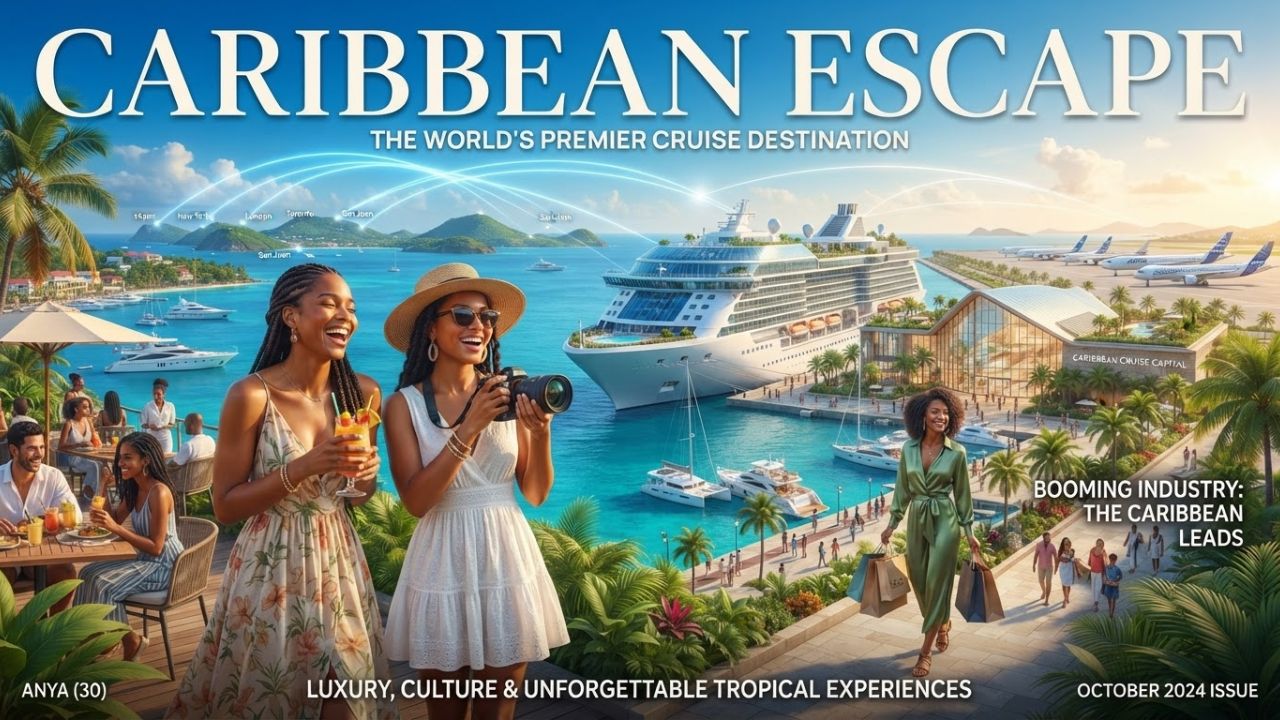
Image generated by AI
Consumer spending in the maritime travel sector has hit record levels, with Caribbean cruise tourism growth 2026 accelerating as operators report strong earnings and raised profit outlooks.
[Miami, July 30, 2026] — A major transition in leisure travel is taking place in the Americas as cruise bookings exceed historical averages. Royal Caribbean Group has reported a net income of US$1.1 billion for the second quarter, raising its full-year financial outlook.
The Miami-based cruise line attributed the strong results to resilient booking volumes and high onboard spending by passengers across its brands. While operating expenses, including marine fuel costs, continue to rise, the high passenger demand has allowed major cruise operators to maintain profitability and expand investments in new vessels, private destinations, and port facilities.
The Caribbean as the Leading Cruise Market
The Caribbean remains the world's largest cruise tourism region. Every year, millions of passengers book itineraries visiting diverse island destinations:
- The Bahamas: The most visited destination, driven by private island excursions.
- Jamaica: Offering shore excursions focused on waterfalls and plantation history.
- Cozumel (Mexico): The busiest western Caribbean port of call.
- Puerto Rico & Grand Cayman: Major hubs for eastern and western Caribbean routes.
- Barbados, Saint Lucia, and Antigua: Supporting southern Caribbean itineraries.
This high passenger volume supports regional economies by generating employment across port services, ground transportation, local restaurants, and retail shops.
Spillovers to Aviation and Hotel Sectors
The cruise boom drives commercial aviation and hospitality growth in major embarkation cities. Many passengers travel from international locations in Europe and Latin America to board cruises in the primary Florida hubs:
- Miami (PortMiami): The world's busiest cruise passenger terminal.
- Fort Lauderdale (Port Everglades): A key gateway for premium and luxury cruise lines.
- Port Canaveral: Supporting Orlando-bound theme park travelers.
- Galveston & San Juan: Expanding as regional embarkation points.
To avoid boarding delays due to flight cancellations, a growing number of passengers book pre-cruise hotel stays, benefiting airport hotels and beach resorts in South Florida.
Port Infrastructure and Premium Travel Demand
To support larger passenger volumes, port authorities are investing in terminal expansions, digital customs processing, and shore-power connections. These upgrades allow ports to handle newer mega-ships while reducing carbon emissions at the dock.
Additionally, operators report strong bookings for premium products, including suites, specialty dining packages, exclusive private beach clubs, and customized shore excursions. This trend indicates that higher-income travelers are driving yield growth in the cruise sector.
The tables below detail the financial results and cruise embarkation gateways:
Royal Caribbean Group Q2 Financial Summary (2026)
| Financial Metric | Second Quarter Result | Full-Year Outlook status | Primary Driver |
|---|---|---|---|
| Net Income | US$1.1 Billion | Upgraded / Raised | Strong booking volume & onboard spending |
| Passenger Occupancy | Exceeded 100% (double occupancy) | Projected high through Q4 | Resilient consumer leisure spending |
| Operating Challenge | Increased marine fuel prices | Managed through route optimization | Focus on ship fuel-efficiency upgrades |
Primary Caribbean Cruise Embarkation Ports and Gateways
| Embarkation Port | Location | Key Airport Connection | Primary Cruise Market Served |
|---|---|---|---|
| PortMiami | Miami, Florida | Miami International (MIA) | Eastern, Western, and Southern Caribbean |
| Port Everglades | Fort Lauderdale, Florida | Fort Lauderdale-Hollywood (FLL) | Eastern and Southern Caribbean |
| Port Canaveral | Cocoa Beach, Florida | Orlando International (MCO) | Bahamas & Western Caribbean |
| Galveston | Galveston, Texas | Houston Hobby / Intercontinental | Western Caribbean & Gulf of Mexico |
| San Juan | San Juan, Puerto Rico | Luis Muñoz Marín (SJU) | Southern Caribbean route packages |
Traveler Logistics Guide
From a ground-level perspective, the best way to navigate this is to book your flight to arrive at the embarkation city at least one day before your cruise departs. Same-day arrivals expose travelers to flight delays that can lead to missing the ship's departure.
Pre-Cruise Travel Tips
- Pre-Arrival Registration: Complete the cruise line's online check-in procedures via their mobile application to secure an early boarding window, reducing wait times at the terminal.
- Hotel Transfers: Select hotels that offer shuttle transfers to the cruise port or are located within short ride-share distance of the gates.
- Comprehensive Insurance: Purchase travel insurance that specifically covers cruise trip interruptions, emergency medical extraction, and lost baggage transit.
Infrastructure Impact Assessment
Sustainable growth in the cruise sector depends on port modernization projects. Expanding terminal capacity and integrating digital passenger clearances helps manage visitor flow, ensuring that Caribbean destinations can welcome large tourist volumes without local infrastructure strain.
Our analysis indicates that premium travel products will continue to drive passenger yield. By investing in private island destinations and fuel-efficient vessels, cruise operators can build long-term profitability while addressing environmental compliance rules.
Related: Panama and UNESCO Partner to Safeguard Caribbean Underwater Cultural Heritage
Related: FIFA World Cup Commercial Investment Debate Sparks Global Sports Tourism Analysis
Related: US and Canada Trade Talks Put Cross-Border Tourism and Aviation Networks in Focus
Disclaimer
This article is for informational and educational purposes only. It does not constitute legal, financial, or professional advice. While we strive to provide accurate and up-to-date information, travel policies, regulations, and conditions change rapidly. Always verify information with official sources before making travel decisions. Nomad Lawyer makes no representations about the accuracy, reliability, completeness, or suitability of the information provided. Readers should consult qualified professionals for advice specific to their circumstances. The views expressed in this article are those of the author and do not necessarily reflect the views of Nomad Lawyer.
Raushan Kumar
Founder & Lead Developer
Full-stack developer with 11+ years of experience and a passionate traveller. Raushan built Nomad Lawyer from the ground up with a vision to create the best travel and law experience on the web.
Learn more about our team →