
Panama and UNESCO Partner to Safeguard Caribbean Underwater Cultural Heritage
Panama collaborates with UNESCO to launch the Caribe, Mar y Legado exhibition, promoting Caribbean underwater heritage conservation.

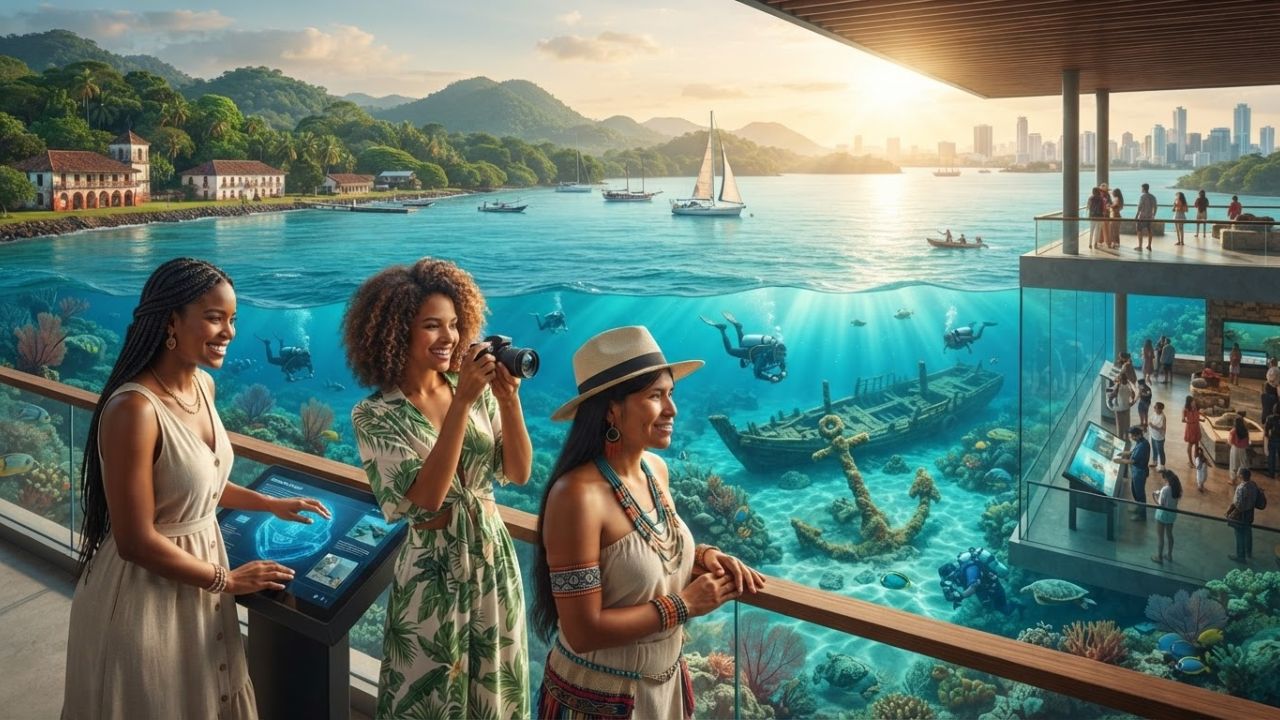
Image generated by AI
Maritime preservation is redefining coastal tourism, with the new Panama Caribbean heritage tourism 2026 partnership introducing conservation guidelines to protect historic shipwrecks.
[Panama City, July 30, 2026] — A major transition in sustainable tourism is taking place in Central America. Panama has partnered with UNESCO to strengthen the protection of its underwater archaeological assets in the Caribbean Sea. The collaboration marks the launch of the Caribe, Mar y Legado (Caribbean, Sea and Legacy) exhibition, designed to build public awareness of submerged historic sites while encouraging responsible tourism.
The initiative aligns with the framework of the 2001 UNESCO Convention on the Protection of the Underwater Cultural Heritage. By protecting historical remains from commercial salvage operations, environmental hazards, and looting, the program seeks to offer authentic cultural experiences that benefit local economies and research networks.
Implementing the 2001 UNESCO Convention Framework
The 2001 UNESCO Convention serves as the primary international framework for protecting submerged heritage. Under its guidance, Panama is implementing measures to safeguard underwater sites, focusing on several priorities:
- In Situ Preservation: Leaving shipwrecks and submerged structures on the seabed as the primary conservation option.
- Prohibiting Commercial Exploitation: Preventing the commercial sale and dispersal of archaeological artifacts.
- Scientific Standards: Requiring all research and diving activities to follow strict archaeological protocols.
- Public Education: Creating museum collections and digital displays to make submerged history accessible to non-divers.
Diversifying Tourism Beyond Beaches
For Caribbean cruise operators and hoteliers, the underwater heritage initiative provides a way to diversify shore excursions. Instead of relying solely on traditional beach tours, travelers can explore historic fortresses, maritime museums, and coastal heritage trails in communities like Portobelo and San Lorenzo.
Diversifying visitor attractions helps reduce passenger crowding at traditional tourist sites. It also encourages travelers to extend their stays, supporting regional hotels, restaurants, and local tour guiding networks.
Environmental Pressures and Climate Monitoring
The underwater conservation initiative also addresses the impacts of climate change on submerged structures. Rising sea temperatures, shifting ocean currents, and coastal erosion present challenges to preserving wooden shipwrecks and brick masonry ruins.
Panama and UNESCO are establishing monitoring systems to track sediment shifts and biological decay rates. These scientific programs help preserve historical integrity while supporting marine biodiversity in the surrounding reef systems.
The tables below detail the heritage preservation categories and visitor guidelines:
Panama-UNESCO Underwater Heritage Program Areas (2026)
| Conservation Area | Key Strategic Focus | Primary Tourism Resource | Local Community Benefit |
|---|---|---|---|
| In Situ Protection | Non-disturbance of shipwrecks | Protected diving parks | Jobs for licensed heritage dive guides |
| Museum Exhibits | Public access via digital models | Caribe, Mar y Legado exhibition | Increased visitors to municipal galleries |
| Scientific Research | Cataloging colonial-era wrecks | Historic maritime database | Collaboration with national universities |
| Site Monitoring | Climate change decay tracking | Preserved marine ecosystems | Healthier reefs for eco-tourism |
Ethical Tourism Guidelines for Caribbean Maritime Heritage
| Visitor Activity | Operational Requirement | Primary Environmental Value |
|---|---|---|
| Scuba Diving | No touching or removing artifacts | Preserves archaeological context |
| Museum Visits | Support public research collections | Funds ongoing conservation efforts |
| Coastal Tours | Hire certified local guides | Strengthens the local economy |
Traveler Logistics Guide
From a ground-level perspective, the best way to navigate this is to visit the designated maritime exhibitions in Panama City and Portobelo before booking any scuba diving excursions in the region. Understanding the historical context improves the diving experience and reinforces safety rules.
Rules for Scuba Divers and Historical Site Visitors
- Heritage Diving Permits: Diving on protected archaeological sites requires specialized permits and must be conducted alongside a licensed guide certified by the Ministry of Culture.
- Artifact Integrity: Under federal and international law, removing any object from a submerged historic site, including copper spikes, pottery fragments, or ballast stones, is strictly prohibited.
- Travel Insurance Coverage: Divers should ensure their travel insurance policies cover deep-water activities and emergency medical evacuation, particularly when visiting remote locations along the San Blas archipelago.
Infrastructure Impact Assessment
Sustainable heritage programs support regional infrastructure by funding local museums, visitor centers, and public boardwalks. These investments help preserve architectural assets while making historic coastal towns more accessible to international travelers.
Our analysis indicates that destination authenticity is essential to attract premium travelers. By protecting its underwater history, Panama establishes a standard for responsible maritime tourism in the Caribbean, ensuring these historic resources remain preserved for future generations.
Related: FIFA World Cup Commercial Investment Debate Sparks Global Sports Tourism Analysis
Related: US and Canada Trade Talks Put Cross-Border Tourism and Aviation Networks in Focus
Related: The Taste of Madison 2026: Wisconsin's Premier Food Festival Travel Guide
Disclaimer
This article is for informational and educational purposes only. It does not constitute legal, financial, or professional advice. While we strive to provide accurate and up-to-date information, travel policies, regulations, and conditions change rapidly. Always verify information with official sources before making travel decisions. Nomad Lawyer makes no representations about the accuracy, reliability, completeness, or suitability of the information provided. Readers should consult qualified professionals for advice specific to their circumstances. The views expressed in this article are those of the author and do not necessarily reflect the views of Nomad Lawyer.
Raushan Kumar
Founder & Lead Developer
Full-stack developer with 11+ years of experience and a passionate traveller. Raushan built Nomad Lawyer from the ground up with a vision to create the best travel and law experience on the web.
Learn more about our team →