
Authentic Caribbean Beach Towns Hijack Summer Travel Boom From Legacy Mega-Resorts
A massive shift in consumer travel behavior is aggressively draining international tourists away from gated Caribbean resorts toward authentic, street-level coastal communities.

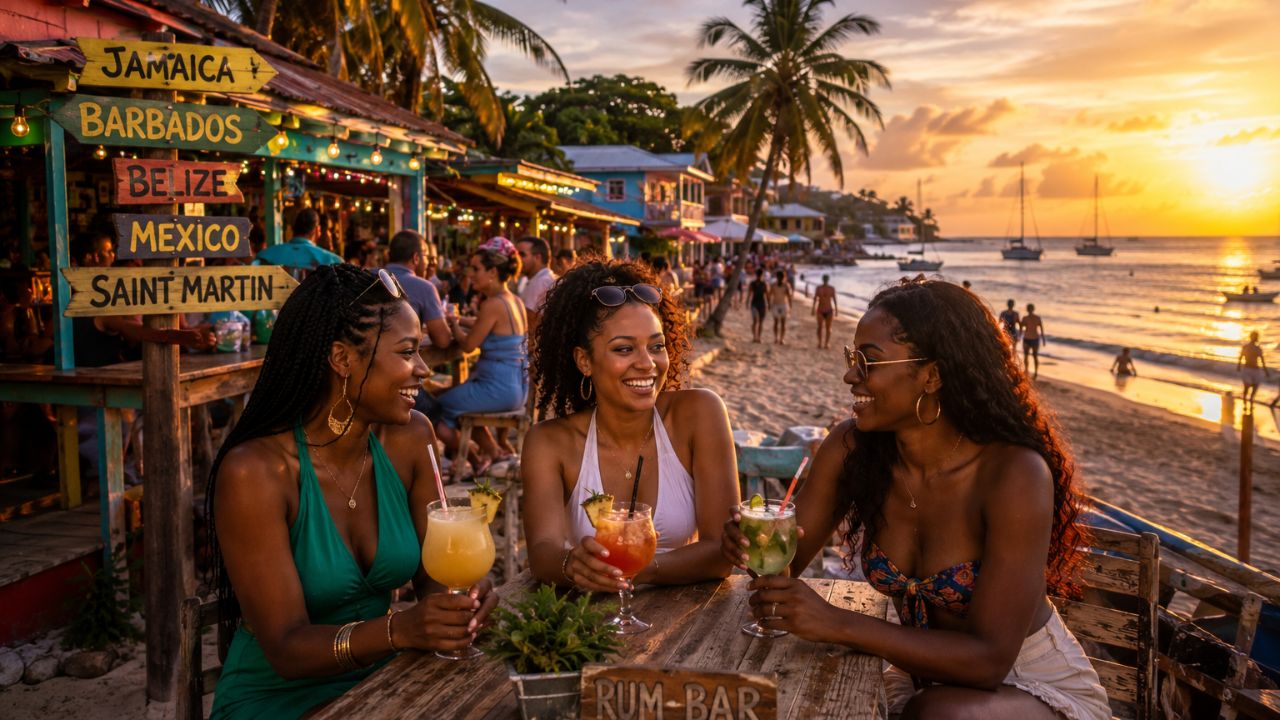
Image generated by AI
[Kingston, July 3] — The traditional Caribbean tourism model is officially fracturing. Across the region, from the dramatic cliffs of Jamaica to the volcanic shores of Martinique, an aggressive shift in consumer behavior is completely redefining the summer travel boom. Industry data confirms that international travelers are actively abandoning highly structured, gated mega-resorts. Instead, they are flooding into authentic, unfiltered coastal beach towns. By prioritizing deep cultural immersion, open-air nightlife, and localized street food scenes, destinations spanning Belize, Barbados, Mexico, and Saint Martin are actively hijacking massive tourist volumes from traditional commercial hubs.
This structural shift indicates that modern travelers view the beach not as a passive backdrop, but as a heavily integrated, communal living space. By rejecting the artificial isolation of all-inclusive corporate resorts, consumers are injecting massive localized capital directly into small fishing communities and independent hospitality operators across the Caribbean network.
The Rise of the Authentic Coastal Hub
This aggressive pivot toward authenticity is starkly visible across multiple island territories. In Barbados, Speightstown—located on the north-west coast—is currently experiencing a massive visitor surge. By seamlessly blending active fishing operations with relaxed beach bars and traditional food stalls, the town delivers a highly walkable, unpolished alternative to commercial resort zones. Similarly, in Saint Martin, the French-side town of Grand Case is successfully monetizing its dual identity. Operating as a traditional fishing village by day, it transforms into the region's premier culinary epicenter by night, successfully drawing high-yield tourists away from isolated hotel dining rooms.
Further west, Belize is capturing massive market share through two distinct coastal offerings. Hopkins is heavily marketing its raw simplicity, offering low-key wooden structures and a tide-dictated pace of life that aggressively appeals to travelers seeking total digital detox. Meanwhile, Placencia monetizes a narrow peninsula where bicycles have entirely replaced vehicles, pairing boutique accommodation with a highly informal, tightly-knit community atmosphere.
Leveraging Geography and Identity
Beyond quiet escapes, the Caribbean is also scaling destinations that deliver high-energy coastal identities. Negril, Jamaica, continues to leverage its legendary long shoreline and dramatic cliff formations, actively marketing a hyper-flexible environment defined equally by extreme relaxation and intense musical culture. In Mexico, Playa del Carmen has successfully engineered a dynamic hybrid model, seamlessly merging pristine beach access with an aggressive, highly commercial urban entertainment corridor.
Even geographically isolated outposts are witnessing unprecedented demand. In Martinique, both Le Carbet (defined by striking volcanic black sand) and Tartane (a rugged, surf-focused enclave on the Caravelle Peninsula) are pulling tourists seeking raw, unmanicured coastal geology. Meanwhile, Le Bourg on Terre de Haut (Guadeloupe) and Cruz Bay (St John) offer compact, highly walkable harbor environments where the slow pace of maritime arrivals dictates daily life.
Key Facts Breakdown
- Barbados (Speightstown): Rapidly growing north-west hub blending active fishing activity with walkable street food culture.
- Belize (Hopkins & Placencia): Capturing massive demand through quiet, bicycle-friendly peninsula living and minimalist wooden architecture.
- Saint Martin (Grand Case): Successfully merging a traditional French-side fishing village with high-end culinary tourism.
- Jamaica (Negril): Leveraging dramatic cliff formations and deep musical roots to provide highly flexible coastal travel.
- Martinique & Guadeloupe: Le Carbet, Tartane, and Le Bourg offer raw volcanic geology, surf conditions, and isolated harbor living.
Why This Matters
Our analysis of this summer travel boom indicates a terrifying reality for corporate, all-inclusive hospitality chains operating in the Caribbean: they are losing the cultural monopoly. For decades, mega-resorts relied on keeping travelers trapped behind security gates, capturing 100% of their vacation spend. This current demographic shift proves that travelers now inherently distrust curated resort experiences, instead opting to directly inject capital into local rum bars, independent cafes, and small boutique guesthouses. By prioritizing towns like Cruz Bay and Speightstown, tourists are essentially demanding a decentralized travel economy. If legacy resorts cannot find a way to authentically integrate their properties into the surrounding community, they will continue to bleed high-yield, younger demographics to these rugged, culturally rich coastal towns.
Industry Outlook
Market trends suggest that Caribbean governments will immediately pivot their infrastructure budgets to support this localized boom. Over the next 24 months, expect heavy municipal investments into pedestrianizing waterfront corridors and upgrading localized digital payment grids in towns like Placencia and Grand Case. Furthermore, global boutique hotel brands will aggressively scout these specific fishing villages for acquisition, attempting to purchase existing beachfront real estate before property values skyrocket further. However, regional authorities must rapidly implement strict zoning laws; if developers are allowed to over-commercialize these hidden escapes, they will instantly destroy the raw authenticity driving the current economic surge.
Related Travel Guides
- Visa Infinite Relaunches With AI-Driven Concierge Tech to Dominate Global Luxury Travel
- Astana Secures Massive 438 Billion Tenge Investment as Eurasia’s New Luxury Tourism Capital
- UAE Eradicates Employer Sponsorship With 5-Year Green Visa to Capture Tech Talent
- US Domestic Travel Collapses Under Historic 72-Million Passenger Gridlock
- India Triggers Massive Outdoor Tourism Boom as Camping Infrastructure Scales
Disclaimer
This article is for informational and educational purposes only. It does not constitute legal, financial, or professional advice. While we strive to provide accurate and up-to-date information, travel policies, regulations, and conditions change rapidly. Always verify information with official sources before making travel decisions. Nomad Lawyer makes no representations about the accuracy, reliability, completeness, or suitability of the information provided. Readers should consult qualified professionals for advice specific to their circumstances. The views expressed in this article are those of the author and do not necessarily reflect the views of Nomad Lawyer.
Kunal K Choudhary
Co-Founder & Contributor
A passionate traveller and tech enthusiast. Kunal contributes to the vision and growth of Nomad Lawyer, bringing fresh perspectives and driving the community forward.
Learn more about our team →