
Stop Chasing Famous Beaches: Caribbean Alternatives Offer Escapes
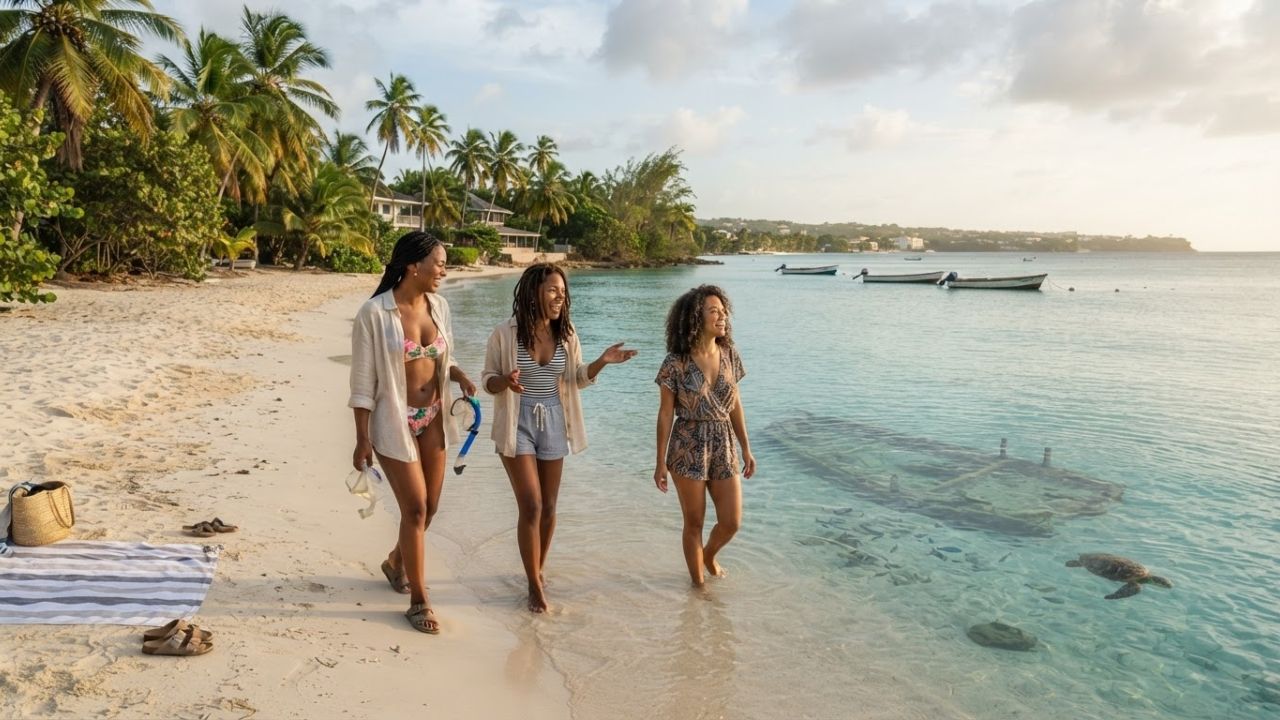
Image generated by AI
Caribbean travelers are increasingly seeking alternatives to the region's most famous beaches, choosing peaceful coastal gems that offer marine adventures and authentic cultural connections. Carlisle Bay in Barbados and Rum Point in Grand Cayman are leading this trend, offering shallow shipwrecks, diverse marine life, and a relaxed atmosphere away from crowded tourist centers.
The Cayman Islands Department of Tourism has reported strong traveler momentum, recording 40,460 stayover visitors in June 2026, representing a 6.9% increase from June 2025 and marking the eighth consecutive month of year-over-year growth. Additionally, the islands saw 40,015 stayover visitors in May 2026, a 16.5% annual increase. By exploring beyond famous shorelines, visitors can enjoy a slower travel pace while supporting local economies.
The Local Trend: Alternative Caribbean Getaways
For decades, Caribbean tourism was dominated by iconic, heavily developed shorelines like Seven Mile Beach in Grand Cayman. However, a growing traveler segment is looking for calmer, less-congested coastal areas. Rum Point, located on the North Side of Grand Cayman, represents this shift, offering calm, shallow water and a relaxed environment suitable for families and snorkelers.
Although Seven Mile Beach remains a hub for luxury resorts, shopping, and entertainment, Rum Point provides an alternative that encourages visitors to explore the island's quieter districts. The location is approximately 45 minutes by car from most hotels and the cruise terminal in George Town, making it a popular day-trip destination accessible by car or regional boat operators.
This movement toward lesser-known coastlines is also visible in other Caribbean destinations, where travelers are balancing traditional resort vacations with visits to protected marine areas and local communities.
Marine Conservation and Eco-Tourism Efforts
The shift toward alternative beach destinations supports regional marine conservation and sustainable tourism development. In Barbados, Carlisle Bay is designated as a protected marine area managed by the Ministry of Tourism and International Transport and Barbados Tourism Marketing Inc. The bay serves as the "Wreck Capital of the Caribbean," hosting several historic shipwrecks—including the Berwyn, a 21-meter French tugboat sunk in 1919—which now function as artificial reefs supporting corals, sea turtles, and tropical fish.
By encouraging travelers to visit protected marine parks like Carlisle Bay and the Montego Bay Marine Park in Jamaica, local tourism offices can manage visitor numbers and fund reef conservation.
In Grand Cayman, the Ministry of Tourism and Ports promotes sustainable growth across the tourism and hospitality sectors, urging visitors to respect the marine ecosystem by refraining from touching coral or marine life and using reef-safe, mineral-based sunscreens to protect water quality.
Supporting Hawkers and Regional Micro-Economies
Choosing quieter, regional beaches directly benefits local economies and micro-enterprises. At Rum Point, the Wreck Bar is historically famous for inventing the Mudslide cocktail in the 1970s—a blend of vodka, coffee liqueur, and Irish cream that has become a staple of Grand Cayman's culinary tourism.
By visiting local food stalls, beachside shacks, and family-run restaurants near these beaches, travelers ensure that their spending directly supports local workers and suppliers.
For example, purchasing fresh coconut water, handmade crafts, and locally caught fish in nearby communities helps keep traditional skills alive and provides a sustainable source of income for residents living outside the main resort zones. This direct economic support helps preserve regional cultural heritage while fostering a more balanced tourism model.
In addition, this model supports community conservation projects. Many budget travelers choose to participate in volunteer beach cleanups and environmental education programs run by local non-profit organizations in Langkawi and Phuket. By choosing eco-tours and buying local goods, travelers contribute to the preservation of these unique coastal ecosystems and support local small business owners.
Traditional Gastronomy: Regional Culinary Specialties
Explorations of alternative Caribbean coastlines allow visitors to experience traditional dishes prepared using local ingredients:
- Cou-Cou and Flying Fish (Barbados): The national dish of Barbados, combining cornmeal and okra paste (cou-cou) with seasoned, steamed flying fish in a savory tomato and onion sauce. The cornmeal is stirred with a special wooden stick to ensure a smooth, thick consistency, representing a cornerstone of Barbadian culinary heritage that is popular at weekend fish fries.
- Cayman-Style Fish Rundown (Cayman Islands): A traditional stew made with fresh fish fillets, coconut milk, pumpkin, plantains, and root vegetables (ground provisions), simmered slowly with local spices. The slow-cooking process allows the coconut milk to reduce and thicken naturally, creating a rich sauce that is often served with fried dumplings.
- Conch Fritters (Bahamas/Cayman Islands): Chopped conch meat mixed with bell peppers, onions, celery, and flour batter, deep-fried until golden brown and served with a spicy dipping sauce. The conch fritters are seasoned with local herbs and fried to a crisp golden exterior. The conch shell also holds deep cultural significance across the islands.
- Jerk Chicken (Jamaica): Chicken marinated in a fiery blend of allspice (pimento), Scotch bonnet peppers, thyme, and ginger, slow-cooked over green pimento wood coals, providing a distinct smoky taste. It is a traditional street food option sold across night markets and roadside shacks in Montego Bay.
- Fungee and Pepperpot (Antigua): A hearty stew combining cornmeal dumplings (fungee) with a rich meat and vegetable soup (pepperpot) made with eggplant, squash, and local greens. The pepperpot stew is typically flavored with salted meats and slow-cooked for hours to develop a rich taste, traditionally served at regional gatherings and festivals.
Visitor Insider Tips: Planning Your Alternative Beach Day
To plan a safe, respectful, and budget-friendly day at the Caribbean's alternative beaches, keep these practical guidelines in mind:
- Manage Cruise Terminal Schedules: If traveling by cruise ship, note that beaches like Rum Point and Smith Barcadere require careful transport planning. Rum Point is a 45-minute drive from the George Town terminal, so allow sufficient buffer time for the return journey to avoid missing departure.
- Respect Marine Protection Rules: In protected areas like Carlisle Bay and Montego Bay Marine Park, do not touch, stand on, or collect coral, shells, or sea turtles. Doing so can cause damage to the fragile ecosystem and carry heavy fines.
- Bring Reef-Safe Sunscreen: Many Caribbean islands are enforcing the use of mineral-based sunscreens (zinc oxide or titanium dioxide) that do not contain oxybenzone and octinoxate, which can cause coral bleaching.
- Support Local Beach Vendors: Buy fresh fruits and snacks from independent beach vendors rather than bringing imported packaged food. In Jamaica's Doctor's Cave Beach or Grand Cayman's Smith Barcadere, support local food trucks and craft stalls, which directly helps regional small business owners and farmers.
- Explore Cayman's 17 Public Beaches: Grand Cayman has 17 designated public beaches across its three islands, including Rum Point, Smith Barcadere, Spotts Beach, and Cayman Kai. Plan a varied itinerary to experience different coastal environments and scenery.
Outlook: The Future of Caribbean Coastal Tourism
The growing demand for alternative beach getaways reflects a long-term shift toward low-impact, experiential travel. By balancing visitor numbers between popular resort strips and quieter, regional beaches, Caribbean nations can protect their marine ecosystems while supporting regional economic development.
Future tourism growth will focus on expanding marine sanctuaries, developing eco-friendly beach facilities, and integrating community-led tour operators. By protecting their coral reefs and promoting cultural heritage, these island destinations aim to ensure that their coastlines remain open and healthy for future generations of travelers.
Related Travel Guides
Germany Updates Travel Advisory for Italy Citing Security Risks
Air New Zealand and Air Chathams Partner to Enhance Regional Flights
Bhedetar Skywalk Puts Dhankuta on the Global Adventure Travel Map
Disclaimer
This article is for informational and educational purposes only. It does not constitute legal, financial, or professional advice. While we strive to provide accurate and up-to-date information, travel policies, regulations, and conditions change rapidly. Always verify information with official sources before making travel decisions. Nomad Lawyer makes no representations about the accuracy, reliability, completeness, or suitability of the information provided. Readers should consult qualified professionals for advice specific to their circumstances. The views expressed in this article are those of the author and do not necessarily reflect the views of Nomad Lawyer.