
Cape Kolka Autumn Access: Navigating Migration and Storm Closures
Plan your trip to Cape Kolka and Slītere National Park. Latest 2026 storm closure updates, bird migration dates, and essential visitor tips for Kurzeme.
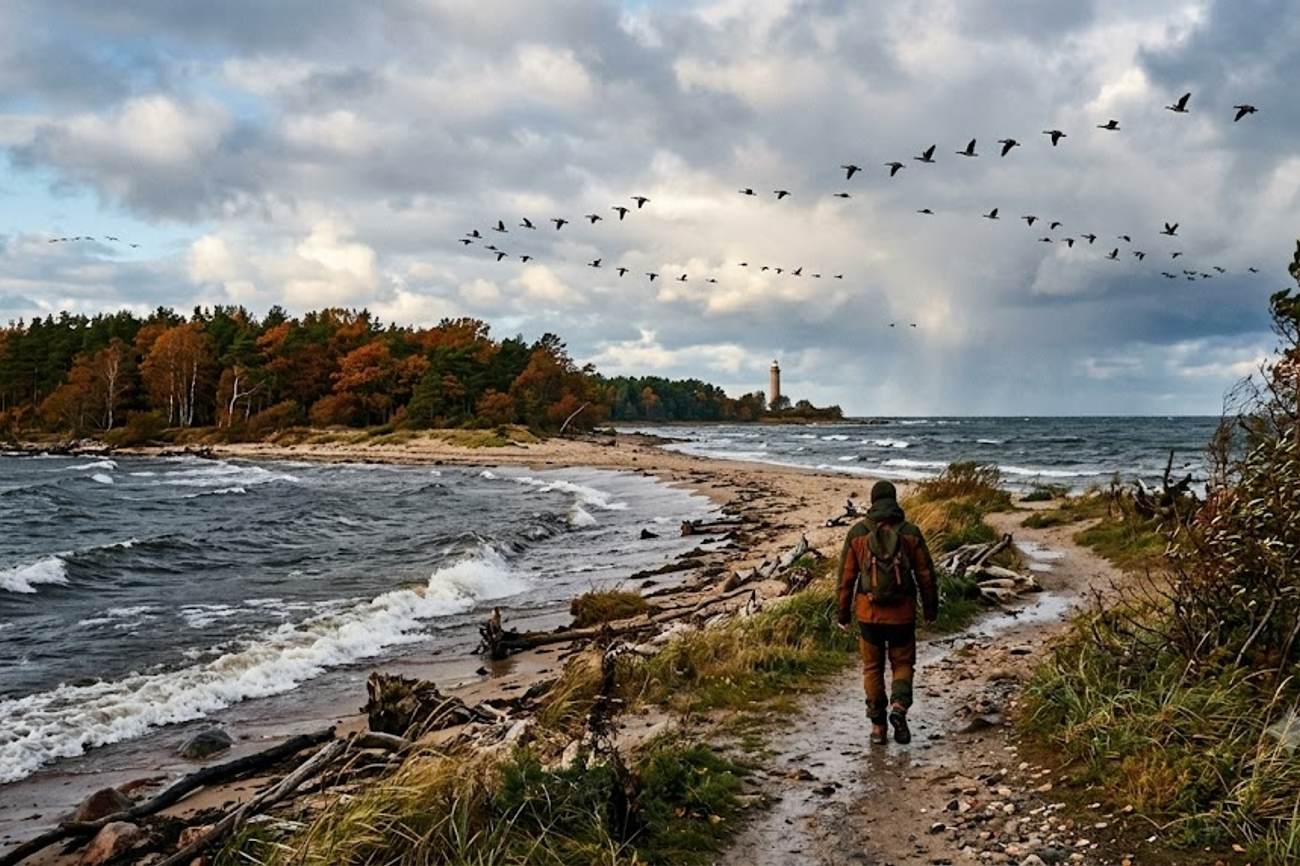
Image generated by AI
The Local Trend Revealed
Nature tourism at Cape Kolka—the dramatic point where the Baltic Sea meets the Gulf of Riga—has shifted from a predictable seasonal visit to a complex exercise in access management. For 2026, the draw remains the massive avian migration, but the infrastructure supporting the experience is in flux.
The Nature Conservation Agency has issued critical updates following storm damage that has disrupted the visitor network. While the biological spectacle of migration remains unchanged, the physical path to it has shifted. The Šlītere Nature Trail is currently fully closed, and two key cycling sections—Sīkrags–Mazirbe and Kolka–Vaide—are unavailable due to fallen trees. Travelers can no longer rely on static itineraries; instead, dynamic routing is required to navigate the current restrictions.
Cultural & Environmental Value
The real impact for the visitor is a shift toward a more raw, outdoor-led experience. Slītere National Park holds Natura 2000 status and is recognized as an internationally important bird area. The environmental value here isn't just in the viewing, but in the preservation of one of Europe's most critical flyways.
The 15 October deadline often cited in tourism brochures refers only to indoor education programs at the Šlītere Lighthouse and Ozola House. It is not a "closing date" for the cape itself. For the dedicated nature traveler, the experience actually evolves after mid-October. The transition from structured indoor interpretation to weather-sensitive, outdoor-led observation allows for a deeper connection with the landscape, provided visitors respect the current conservation boundaries and storm-recovery zones.
Visitor Insider Tips
To navigate Cape Kolka and Slītere effectively in 2026, follow these local guidelines:
- The Alternative Route: With the main Šlītere trail closed, head to the Pēterezers Nature Trail. While some infrastructure damage remains, fallen trees have been cleared, making it the primary viable alternative for hikers.
- The "Hidden" Window: Don't leave on October 15. While indoor centers close, the peak for migrating swans is actually October. Barnacle geese movement peaks in late September but continues through mid-November.
- Logistical Hubs: If using public transport from Ventspils, you must transfer at Talsi Bus Station to reach Kolka. Plan for extra time in Talsi to avoid missing the limited rural connections.
- Booking Protocol: For any remaining indoor activities before October 15, the Slītere Nature Centre requires registration at least three days in advance.
- Observation Targets: Look for the Great crested grebe (500–800 individuals) from September through May.
Tourism Outlook
The long-term viability of Cape Kolka as a premium nature destination depends on the resilience of its infrastructure. The 2026 storm damage highlights the vulnerability of coastal tourism assets to climate volatility. However, the fact that 24 of Latvia’s 28 recorded waterfowl species are observed here ensures that Cape Kolka will remain a global magnet for ornithologists and eco-tourists. The trend is moving away from "mass" nature visits toward specialized, small-group products that can adapt to real-time environmental changes.
Related Travel Guides
Disclaimer
This article is for informational and educational purposes only. It does not constitute legal, financial, or professional advice. While we strive to provide accurate and up-to-date information, travel policies, regulations, and conditions change rapidly. Always verify information with official sources before making travel decisions. Nomad Lawyer makes no representations about the accuracy, reliability, completeness, or suitability of the information provided. Readers should consult qualified professionals for advice specific to their circumstances. The views expressed in this article are those of the author and do not necessarily reflect the views of Nomad Lawyer.