
Canada Issues Urgent Travel Warning for South Korea as Temperatures Surge Above 40°C in 2026
The Government of Canada has issued a formal alert for travelers visiting South Korea as a severe heat wave pushes temperatures over 40°C, causing widespread health emergencies.

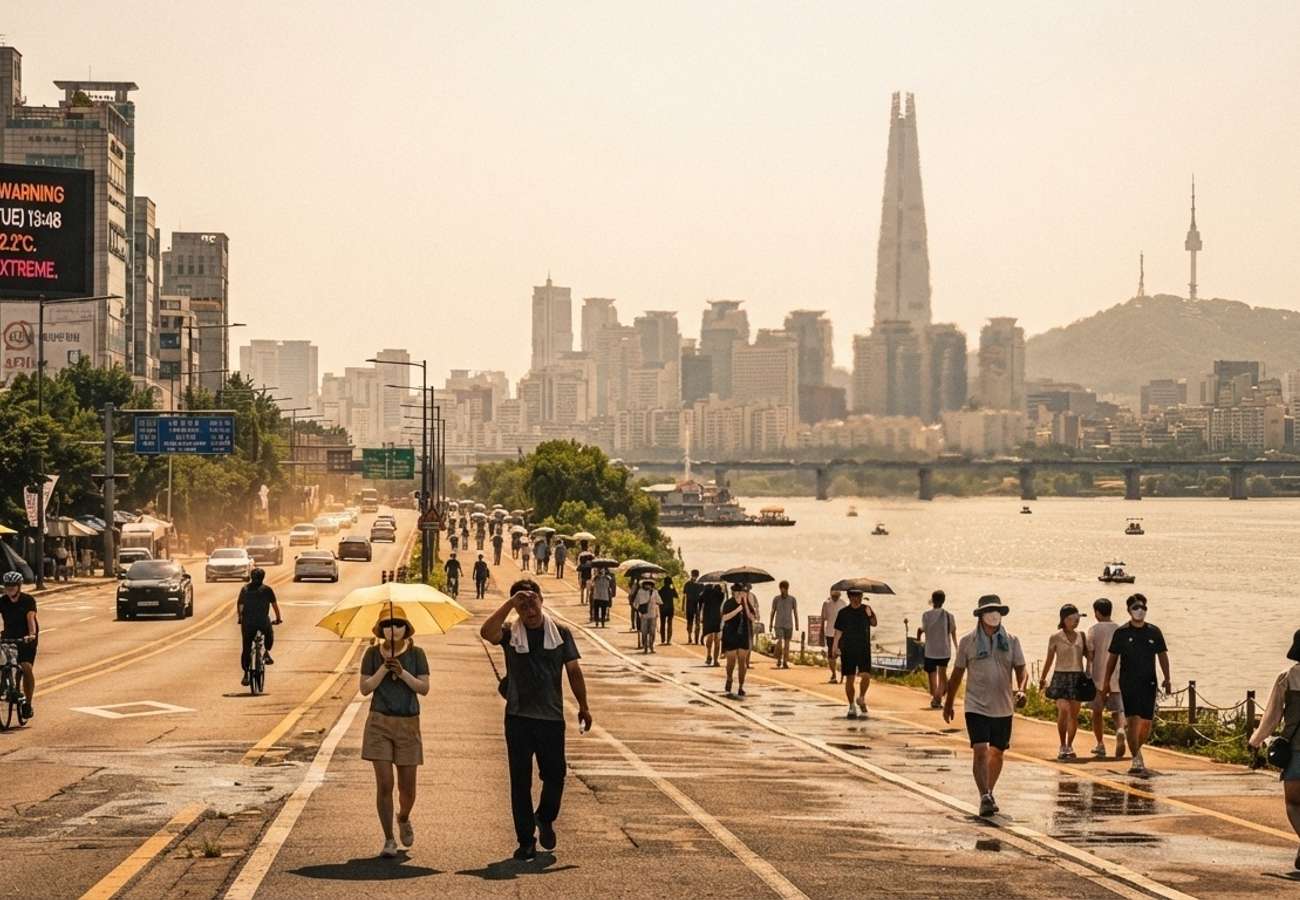
Image generated by AI
Temperatures exceeding 40°C across South Korea have triggered an official travel warning from the Government of Canada, as a lethal heat wave causes thousands of medical emergencies and multiple fatalities.
The climate crisis has reached a breaking point in East Asia, with South Korean authorities struggling to manage a surge in heat-related illnesses. For international visitors, particularly those from Canada, the window between June and September has become a period of significant health risk, prompting government officials to urge extreme caution for vulnerable populations including children and the elderly.
Lethal Temperature Spikes Across South Korea
The current meteorological event is not a standard summer fluctuation; it is a dangerous heat crisis that has pushed the national thermometer into the 40s Celsius. This sustained spike in temperature has transformed outdoor exploration into a high-risk activity, with officials warning that the heat is now reaching levels that can cause rapid physiological failure.
Medical professionals in the region have emphasized that prolonged exposure to these conditions leads to a swift progression from dehydration to heat exhaustion, and ultimately, life-threatening heatstroke. Because heatstroke can cause permanent organ damage or death if not treated immediately, the urgency of the Canadian government's warning cannot be overstated.
Seoul and Major Hubs Record 40°C Peaks
The Korea Meteorological Administration (KMA) continues to issue urgent heat alerts as the capital city, Seoul, and other primary tourist hubs experience unprecedented conditions. Reports indicate that parts of Seoul have hit the 40°C mark, creating a "heat island" effect in the dense urban environment.
This extreme weather is fundamentally altering the tourist experience in several key areas:
- Urban Centers: Walking tours in Seoul are becoming hazardous during midday.
- Natural Landmarks: Hiking and mountain excursions are being discouraged during peak heat hours.
- Cultural Events: Outdoor festivals and traditional village visits are seeing adjusted schedules to avoid the midday sun.
- Regional Hubs: Busan and Jeju Island are also reporting elevated temperatures, suggesting the crisis is nationwide rather than localized.
Rising Casualty Rates and Medical Strain
The human cost of the 2026 heat wave is already evident in official data. South Korean weather and health authorities report that dozens of citizens have died due to the extreme temperatures. Furthermore, thousands of individuals have required emergency medical intervention for heat-induced illnesses.
This surge in patients has placed an immense burden on the South Korean healthcare infrastructure. Emergency rooms and clinics are operating at high capacity to treat cases of severe dehydration and thermal shock, making it even more critical for tourists to avoid becoming "patients" in an already strained system.
Essential Safety Protocols for International Visitors
To mitigate the risk of medical emergencies, Canadian travelers are advised to adopt a strict "heat-avoidance" strategy. The primary recommendation is to shift all outdoor itineraries to the early morning or late evening, leaving the peak afternoon hours for indoor activities.
Recommended preventative measures include:
- Hydration Management: Constant intake of water, regardless of thirst levels.
- Attire: Wearing lightweight, breathable, and light-colored clothing to reflect solar radiation.
- Strategic Breaks: Utilizing air-conditioned spaces such as museums, shopping malls, and hotels as "cooling stations" every few hours.
- Symptom Recognition: Being vigilant for early signs of heat stress, which include nausea, dizziness, confusion, and excessive sweating.
National Response and Cooling Infrastructure
In response to the crisis, the South Korean government has expanded its public safety network. This includes the deployment of designated cooling centers—public facilities and medical spaces where anyone, including foreign tourists, can seek immediate relief from the heat.
Government agencies are also distributing real-time public guidance and updating heat warnings via mobile alerts. Travelers are encouraged to monitor these local notifications closely, as conditions can shift rapidly between different provinces.
The Evolving Challenge of Climate-Impacted Tourism
South Korea remains a premier global destination, renowned for its blend of futuristic cities and ancient heritage. However, the 2026 heat wave serves as a stark example of how climate volatility is redefining international travel. The traditional "summer holiday" is becoming a period of risk management.
For the modern traveler, this means flexibility is no longer optional—it is a safety requirement. Itineraries must now be built around weather patterns rather than sightseeing lists. The shift toward indoor attractions and the avoidance of midday excursions are becoming the new standard for surviving the East Asian summer.
Canada's Strategic Approach to Travel Advisories
The Government of Canada maintains a rigorous review process for its travel advisories to ensure citizens are aware of environmental hazards. This latest alert for South Korea highlights a broader trend where weather emergencies are treated with the same urgency as political instability or health epidemics.
By issuing these warnings, authorities aim to prevent avoidable medical evacuations and ensure that citizens are equipped with the knowledge to protect themselves in high-risk environments. The advisory serves as a reminder that even in highly developed nations with world-class infrastructure, nature can create conditions that overwhelm standard travel preparations.
As the heat wave persists, the priority for all visitors to the peninsula must remain physiological safety over sightseeing.
Related Travel Guides
Disclaimer
This article is for informational and educational purposes only. It does not constitute legal, financial, or professional advice. While we strive to provide accurate and up-to-date information, travel policies, regulations, and conditions change rapidly. Always verify information with official sources before making travel decisions. Nomad Lawyer makes no representations about the accuracy, reliability, completeness, or suitability of the information provided. Readers should consult qualified professionals for advice specific to their circumstances. The views expressed in this article are those of the author and do not necessarily reflect the views of Nomad Lawyer.
Kunal K Choudhary
Co-Founder & Contributor
A passionate traveller and tech enthusiast. Kunal contributes to the vision and growth of Nomad Lawyer, bringing fresh perspectives and driving the community forward.
Learn more about our team →