
Canada Issues Urgent Travel Advisory for South Korea Over Deadly Heatwaves and Typhoons in 2026
The Government of Canada has issued a critical weather advisory for travelers to South Korea, warning of life-threatening heatwaves, monsoon flooding, and typhoon disruptions through September 2026.

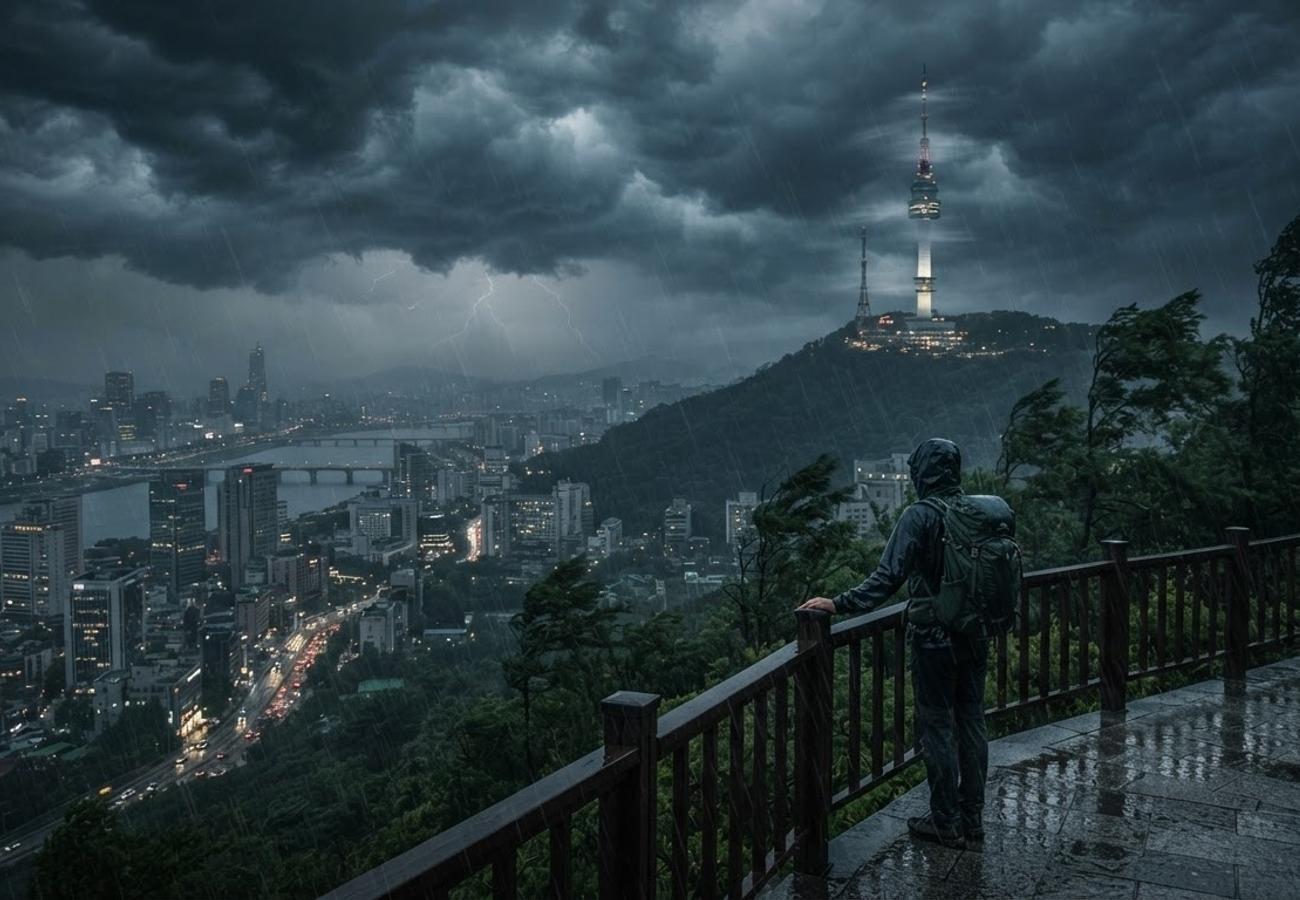
Image generated by AI
Canada has alerted citizens visiting South Korea to prepare for a volatile transition into the autumn season, citing a high risk of deadly heatwaves and severe typhoons. While the nation remains a top-tier safe destination, the government emphasizes that natural hazards from June through September require active mitigation.
The Government of Canada's updated travel guidance clarifies that South Korea maintains its status as a destination where only "normal security precautions" are required. The current urgency is not rooted in political instability or crime, but in the intensifying seasonal weather patterns that can either jeopardize health or paralyze transport infrastructure.
For those visiting major hubs like Seoul, Busan, Gyeongju, or Jeju Island, the advisory highlights a critical window of risk between June and September.
Managing Health Risks During Extreme Heatwaves
From June to September, South Korea frequently experiences intense heatwaves characterized by oppressive humidity. This combination significantly elevates the risk of heatstroke, dehydration, and physical exhaustion, particularly for those engaging in the country's popular outdoor tourism.
Because much of the South Korean experience involves extensive walking through historic palaces, traditional markets, and mountainous hiking trails, the risk of exposure is high. The Canadian advisory specifically identifies high-risk groups, including:
- Elderly travelers
- Young children
- Individuals with pre-existing medical conditions
- Tourists engaging in strenuous physical activities
To mitigate these risks, travelers are urged to shift their schedules to favor early morning or late evening exploration, utilizing indoor attractions—such as museums and shopping centers—during the peak heat of the day.
Monsoon Rain and Landslide Hazards
The rainy season typically spans from late June through August, with July historically recording the highest precipitation levels. This period is marked by heavy monsoon rains that can lead to sudden, severe flooding in low-lying urban areas.
In the rural and mountainous regions, the primary concern is landslides. These geological shifts can abruptly close hiking routes and render certain rural roads impassable. Travelers are advised to remain flexible, as heavy rainfall often triggers:
- Sudden cancellations of outdoor tours
- Significant delays in public transportation
- Temporary closures of tourist landmarks for safety audits
Navigating Typhoon Season Disruptions
The window between August and September marks the peak of typhoon activity. While not every year sees a direct hit, the storms that do make landfall bring violent winds and torrential rain that can disrupt the entire national logistics network.
Typhoons create a domino effect on travel operations. Airports may experience mass cancellations, ferry services to Jeju Island are often suspended, and rail services may be throttled. The Canadian government stresses that itineraries must be adaptable, as official safety instructions can change within hours.
Seasonal Risk Summary for South Korea (June–September)
| Hazard | Peak Period | Primary Risks | Recommended Action |
|---|---|---|---|
| Extreme Heat | June - September | Heatstroke, Dehydration | Use indoor venues midday; hydrate constantly |
| Monsoon Rain | Late June - August | Urban Flooding, Landslides | Avoid low-lying areas; monitor hiking alerts |
| Typhoons | August - September | Flight/Ferry Cancellations | Maintain flexible bookings; follow local alerts |
Essential Safety Protocols for Visitors
To ensure a safe journey during these volatile months, the advisory suggests the following tactical preparations:
Heatwave Protection:
- Carry portable water supplies at all times.
- Identify signs of dizziness or fatigue immediately.
- Limit direct sunlight exposure during midday hours.
Storm and Typhoon Readiness:
- Keep direct contact lines open with airlines and tour operators.
- Avoid coastal zones and exposed areas during storm warnings.
- Secure comprehensive travel insurance that specifically covers weather-related disruptions.
Despite these environmental challenges, South Korea remains a premier global destination known for its advanced infrastructure and welcoming culture. The advisory serves as a tool for informed planning rather than a deterrent.
Stay vigilant and flexible to ensure the natural beauty of the Korean autumn is enjoyed safely.
Related Travel Guides
Disclaimer
This article is for informational and educational purposes only. It does not constitute legal, financial, or professional advice. While we strive to provide accurate and up-to-date information, travel policies, regulations, and conditions change rapidly. Always verify information with official sources before making travel decisions. Nomad Lawyer makes no representations about the accuracy, reliability, completeness, or suitability of the information provided. Readers should consult qualified professionals for advice specific to their circumstances. The views expressed in this article are those of the author and do not necessarily reflect the views of Nomad Lawyer.
Raushan Kumar
Founder & Lead Developer
Full-stack developer with 11+ years of experience and a passionate traveller. Raushan built Nomad Lawyer from the ground up with a vision to create the best travel and law experience on the web.
Learn more about our team →