
Cuba Travel Update: Aid Boats Safely Reach Havana After Search
Two humanitarian sailboats carrying aid from Mexico safely arrived in Havana on March 28 after days of lost contact. The 2026 cuba travel update affects maritime safety awareness for travelers crossing Caribbean waters near the island.

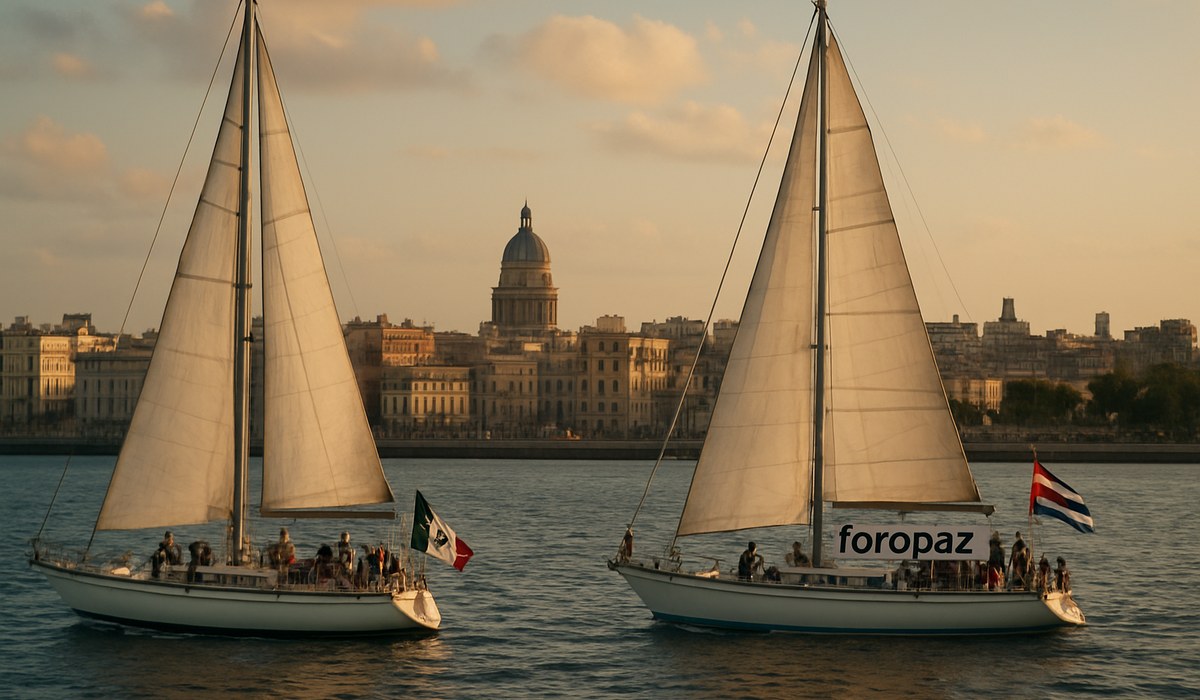
Image generated by AI
Two Humanitarian Sailboats Successfully Complete Crossing to Havana
Two aid-carrying sailboats that lost radio contact during a passage from southern Mexico have reached Havana safely, ending a four-day search operation coordinated by Mexican maritime authorities. The Nuestra América humanitarian convoy departed Isla Mujeres on March 20, 2026, carrying essential supplies including solar panels, medicine, and food bound for Cuban communities. After communication ceased during transit across the Yucatán Channel, Mexican Navy assets located the vessels 80 nautical miles northwest of Havana on March 28. Both boats arrived in Havana harbor by Saturday afternoon with all eight crew members unharmed. This cuba travel update provides important context for leisure travelers and charter operators monitoring maritime conditions and safety protocols in Caribbean waters near the island.
Mexican Navy Search Operation Locates Missing Vessels in Open Water
The Mexican Navy launched a coordinated aerial and maritime search after the sailboats failed to maintain expected radio contact during their three-day crossing. On March 28, navy aircraft spotted both vessels approximately 80 nautical miles northwest of Havana, confirming they remained seaworthy and capable of self-propulsion. The navy then provided escort services for at least one boat during the final approach to Havana Bay. According to maritime officials, the extended communication blackout resulted from deteriorating weather conditions in the Yucatán Channel, where rough seas and shifting wind patterns forced the crews to adjust their course. The incident demonstrates that regional naval coordination responds actively to missing vessels in this heavily traveled shipping corridor. For travelers booking maritime excursions or considering sailing charters between Mexico and Cuba, this response capability provides reassurance about search-and-rescue infrastructure available through Mexican maritime authorities. The successful location and safe escort back to Havana illustrates how quickly Caribbean maritime agencies can mobilize when distress situations emerge.
Weather and Communication Delays Extended Journey Timeline
Unfavorable sea conditions in the western Caribbean directly caused the sailboats' communication loss and multi-day journey extension. The boats encountered rough seas and unstable atmospheric conditions during their passage across the Yucatán Channel, forcing experienced crews to alter their planned route. Rough weather at sea commonly disrupts satellite and radio communication systems aboard small vessels, particularly those operating far from established shipping lanes. The crews maintained vessel integrity and continued navigation despite the communication blackout, reaching Havana safely without requiring active rescue intervention. This incident underscores why maritime weather forecasting remains essential for any recreational or commercial sailing operation in Caribbean waters. Travelers planning boat-based activities near Cuba should consult NOAA Atlantic hurricane and weather advisory services before departure and maintain multiple communication backup systems when crossing open water. Understanding seasonal weather patterns helps avoid the delays and communication breakdowns that affected this humanitarian voyage.
Humanitarian Aid Arrives Amid Cuba's Ongoing Energy Crisis
The sailboats' arrival delivers critical supplies to an island struggling with prolonged electrical outages and fuel shortages. Cuba faces nationwide blackouts caused by aging power infrastructure, limited fuel imports, and insufficient energy generation capacity. Solar panels aboard the Nuestra América convoy address decentralized energy needs for clinics, community centers, and essential facilities where consistent electricity remains unavailable. The cargo also included medications and foodstuffs targeting communities affected by economic constraints. Earlier in the same week, another aid vessel docked in Havana carrying similar supplies, reflecting increased international solidarity missions to the island. While small sailboat shipments represent modest volumes compared with Cuba's total humanitarian requirements, they demonstrate operational pathways for organizations supporting the island's recovery efforts. For tourists visiting Havana, understanding Cuba's energy situation helps explain intermittent power availability in hotels, restaurants, and transportation services. The focus on solar power solutions indicates growing infrastructure adaptation to long-term electrical challenges across the island.
Traveler Safety Implications for Caribbean Maritime Routes
This cuba travel update highlights essential safety considerations for tourists planning sailing charters, ferry crossings, or maritime excursions between Mexico and Cuba. The incident illustrates how quickly open-water conditions can deteriorate in the Yucatán Channel and surrounding Caribbean routes. Recreational sailors should build additional time buffers into crossing plans and invest in redundant communication systems including satellite messengers and emergency beacons. Charter operators operating between ports like Cancún, Playa del Carmen, and Havana benefit from pre-departure coordination with Mexican maritime authorities regarding weather windows and communication protocols. Travel insurance covering maritime activities should remain current when booking water-based Caribbean experiences. The successful rescue outcome demonstrates that search-and-rescue resources operate effectively throughout the region, but rapid communication of distress situations enables faster response. Travelers crossing these waters should file float plans with their charter operator and maintain regular contact with shore-based operations. Understanding the region's seasonal weather patterns—particularly during hurricane season and periods of unstable atmospheric conditions—helps travelers avoid booking maritime activities during high-risk periods.
Regional Maritime Safety Infrastructure Provides Reassurance
The swift deployment of Mexican Navy assets during the search operation demonstrates active maritime monitoring across the Gulf of Mexico and Caribbean approaches. Coast guard and naval services throughout the region maintain aircraft, patrol vessels, and communication networks specifically designed to respond to maritime emergencies. This infrastructure-based safety net provides crucial support for the thousands of recreational sailors, tourist ferries, and commercial vessels that traverse Caribbean waters annually. The positive outcome of this incident reinforces confidence in regional search-and-rescue capabilities. Travelers booking maritime activities through established tour operators and charter companies benefit from professional coordination with these official maritime authorities. Reputable operators maintain communication schedules and file required documentation with coast guard services before departure, ensuring rapid response if communication is lost. For tourists considering sailing adventures near Cuba, confirming that your charter operator maintains active relationships with Mexican and Cuban maritime authorities provides significant additional safety assurance.
Critical Timeline: Key Events in Humanitarian Convoy Incident
| Event | Date | Time | Location | Details |
|---|---|---|---|---|
| Departure from Isla Mujeres | March 20, 2026 | 0600 hrs | Mexico Caribbean Coast | Two sailboats depart with 8 crew members and humanitarian cargo |
| Communication Loss Occurs | March 21-22, 2026 | Unknown | Yucatán Channel | Radio contact ceases during passage; weather conditions deteriorate |
| Expected Arrival Window | March 23, 2026 | 1200-1800 hrs | Havana Harbor | Arrival deadline passes without confirmed contact |
| Mexican Navy Search Initiated | March 24-27, 2026 | Ongoing | Caribbean Waters | Aerial and maritime search operation commences |
| Vessels Located | March 28, 2026 | 1000-1200 hrs | 80nm NW of Havana | Navy aircraft locate both sailboats intact and seaworthy |
| Navy Escort Begins | March 28, 2026 | 1300-1600 hrs | Havana Bay Approaches | Mexican Navy provides navigation assistance for final journey segment |
| Safe Harbor Arrival | March 28, 2026 | 1700-2000 hrs | Havana Harbor | Both sailboats dock safely; all crew members confirmed unharmed |
What This Means for Travelers
This cuba travel update directly affects how tourists should approach maritime activities in Caribbean waters surrounding the island. Here are specific actionable steps for travelers planning sailing, ferry, or boat-based experiences near Cuba:
-
Build Weather Buffers: Add 24-48 hours to any planned maritime crossing between Mexico and Cuba. The Yucatán Channel frequently experiences unpredictable conditions that extend journey times and compromise communication systems.
-
Confirm Operator Certifications: Verify that your charter company maintains current Mexican maritime licensing, required safety equipment, and active communication protocols with regional coast guard services before booking.
-
Invest in Backup Communication: Purchase or request satellite messengers or PLBs (Personal Loc
Disclaimer
This article is for informational and educational purposes only. It does not constitute legal, financial, or professional advice. While we strive to provide accurate and up-to-date information, travel policies, regulations, and conditions change rapidly. Always verify information with official sources before making travel decisions. Nomad Lawyer makes no representations about the accuracy, reliability, completeness, or suitability of the information provided. Readers should consult qualified professionals for advice specific to their circumstances. The views expressed in this article are those of the author and do not necessarily reflect the views of Nomad Lawyer.
Raushan Kumar
Founder & Lead Developer
Full-stack developer with 11+ years of experience and a passionate traveller. Raushan built Nomad Lawyer from the ground up with a vision to create the best travel and law experience on the web.
Learn more about our team →