
Canada Flight Chaos: 367 Delayed, 52 Canceled Nationwide
Canada flight chaos disrupted 419 flights across five major airport hubs on April 11, 2026. Air Canada, WestJet, and international carriers faced cascading delays and cancellations affecting thousands of travelers on domestic and transborder routes.

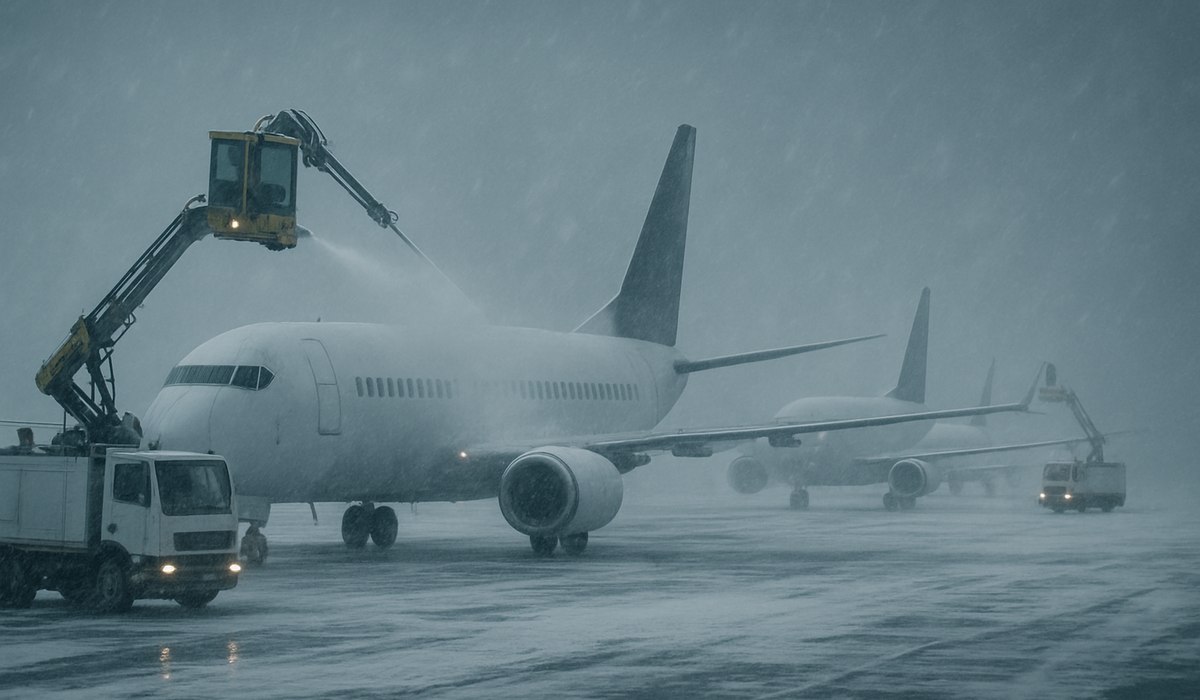
Image generated by AI
Widespread Canada Flight Chaos Grounds Hundreds of Flights
Canada's five major airport hubs reported 367 delayed and 52 canceled flights today, creating unprecedented travel disruption across domestic and transborder networks. Air Canada, WestJet, Jazz, Lufthansa, and PAL Airlines all experienced significant operational strain as aircraft and crews fell out of position throughout the day. The cascading effect of delay-dominant disruptions left thousands of passengers stranded, missed connections multiplied, and evening peak operations descended into chaos at Toronto Pearson, Montreal-Trudeau, Calgary International, Ottawa International, and Vancouver International airports.
Five Major Canadian Hubs Absorb Bulk of Disruptions
Toronto and Montreal emerged as epicenters of today's Canada flight chaos, with Toronto's dual airport network—Pearson and Billy Bishop—accounting for a substantial portion of the 419 total disrupted flights. Montreal-Trudeau, serving as a critical eastern hub for Air Canada's hub-and-spoke operations, experienced heavy knock-on impacts as delayed inbound aircraft forced subsequent departures to be postponed or removed from schedules entirely.
Calgary International, a WestJet stronghold in Western Canada, and Ottawa International also absorbed significant disruption. These five major facilities collectively funnel traffic from dozens of secondary airports including St. John's, Edmonton, and regional carriers serving Atlantic Canada and smaller communities. When congestion builds at primary hubs during peak travel hours, ripple effects extend across the entire network, affecting flights that don't directly operate through those airports. Check real-time status updates on FlightAware for current arrival and departure information at affected Canadian airports.
Delay-Dominant Pattern Creates Cascading Network Effects
Today's Canada flight chaos followed a "delay-dominant" operational strategy, where airlines prioritized keeping flights operating over issuing outright cancellations. This approach, while reducing the raw number of canceled flights, generates rolling delays that compound through afternoon and evening peaks.
A morning delay of 30 minutes on an aircraft becomes a 90-minute delay by mid-afternoon after three subsequent legs. By evening, that same aircraft may depart two hours late, forcing ground crews to work faster and reducing turnaround time between flights. This compression leaves no buffer for unexpected issues, creating a domino effect across connected routes.
The imbalance between 367 delays and only 52 cancellations illustrates how airlines attempt to manage schedule pressure. However, this strategy often leaves passengers waiting on tarmacs, in terminals, or stranded after missed connections. Limited spare aircraft capacity means no quick substitutes exist to absorb disrupted flights, extending recovery times well into the night and next business day.
Air Canada, WestJet and International Carriers Heavily Impacted
Air Canada's extensive network radiating from Toronto, Montreal, Vancouver, Calgary, and Ottawa made the carrier particularly vulnerable to today's Canada flight chaos. When delays originate at a hub airport, every spoke destination feels the impact within 2-3 hours.
WestJet, with concentrated operations at Calgary International, experienced cascading delays affecting Western Canadian routes and connecting traffic to Eastern Canada and the United States. Regional partner Jazz, operating frequent short-haul services to Atlantic Canada, struggled to maintain schedule integrity as passengers missed tight connections.
International carriers including Lufthansa faced disruption on long-haul services linking Toronto, Montreal, and Vancouver with European gateways. When Canadian hubs tighten operationally, long-haul departures often become strategic priorities, triggering additional delays on domestic and regional flights feeding those services. Passengers with transborder connections to US airports faced particularly complex rebooking challenges, as missed connections required coordination across multiple airlines and potentially international routing.
What Remote Workers and Digital Nomads Should Know
Digital nomads and location-independent professionals relying on tight schedules face amplified disruption risk during Canada flight chaos events. A two-hour delay transforms a planned evening arrival into a late-night landing, forcing accommodation changes and schedule scrambles.
Remote workers should maintain flexible work arrangements on heavy travel days. Video calls scheduled immediately upon arrival may become impossible. Buffer time between arrival and work commitments—at minimum 2-3 hours—provides margin for recovery if delays occur.
Consider travel insurance covering flight disruption and accommodation changes. Standard policies may not cover airline-caused delays, but specialized travel protection plans reimburse hotel nights and meals if departures shift significantly. Check your policy details before purchasing.
For those with critical connections, book flights with minimum 2-hour buffers rather than tight 45-minute connections at major hubs. The cost difference between same-day connections and next-morning backups often proves worthwhile when network-wide disruptions occur.
Key Canada Flight Chaos Data
| Metric | Count | Impact |
|---|---|---|
| Total Delayed Flights | 367 | Network-wide cascading delays through evening peak |
| Total Canceled Flights | 52 | Passenger rebooking challenges, missed connections |
| Primary Hubs Affected | 5 | Toronto, Montreal, Calgary, Ottawa, Vancouver |
| Major Carriers Impacted | 6+ | Air Canada, WestJet, Jazz, Lufthansa, PAL, others |
| Concurrent Delays | High | Aircraft and crews out of position at all major terminals |
| Secondary Airport Impact | Multiple | St. John's, Edmonton, and regional facilities affected |
| Peak Disruption Hours | Afternoon-Evening | 2 PM – 11 PM congestion at departure gates |
Traveler Action Checklist
If you're traveling through Canadian airports during Canada flight chaos disruptions, follow these immediate steps:
-
Check your flight status on FlightAware or your airline's website before heading to the airport; delays of 2+ hours are likely.
-
Contact your airline directly for rebooking options if your flight is canceled; don't rely on automated systems during widespread disruptions.
-
Document all expenses including meals, accommodation, and ground transportation; keep receipts for potential compensation claims under Canadian aviation regulations.
-
Review your airline's passenger rights on the US DOT website and Transport Canada's official guidelines; you may qualify for rebooking on competitor flights.
-
Rebook proactively for the next available flight if your original departure is canceled; stand-by lists fill rapidly during network-wide disruptions.
-
Inform your accommodation provider of late arrival; most hotels will hold reservations if notified of delays caused by the airline.
-
Monitor airport conditions via Twitter or airline social media for updates on ground operations and estimated resumption of normal schedules.
-
Request written confirmation of any delays exceeding 3 hours; this documentation supports future compensation claims.
What This Means for Travelers
Today's Canada flight chaos affecting 419 flights underscores persistent vulnerabilities in Canadian aviation infrastructure during peak travel periods. Limited spare aircraft capacity, tight turnaround times, and hub-dependent routing all contribute to fragile schedules prone to cascading disruptions.
Travelers should expect similar events during future high-travel periods. Build schedule buffers of 2-3 hours for connections at major hubs. Avoid booking tight morning connections if your inbound flight could arrive late.
Remote workers and digital nomads should plan critical work commitments for the day after arrival, not the same evening. The cost of buffer time or accommodation insurance proves minimal compared to disruption costs when Canada flight chaos strikes. Monitor flight status obsessively on travel days; early awareness of delays enables proactive rebooking before options disappear.
FAQ: Canada Flight Chaos
What caused today's widespread flight delays across Canada?
Operational strain at major hubs combined with aircraft-crew positioning issues created a delay-
Disclaimer
This article is for informational and educational purposes only. It does not constitute legal, financial, or professional advice. While we strive to provide accurate and up-to-date information, travel policies, regulations, and conditions change rapidly. Always verify information with official sources before making travel decisions. Nomad Lawyer makes no representations about the accuracy, reliability, completeness, or suitability of the information provided. Readers should consult qualified professionals for advice specific to their circumstances. The views expressed in this article are those of the author and do not necessarily reflect the views of Nomad Lawyer.
Raushan Kumar
Founder & Lead Developer
Full-stack developer with 11+ years of experience and a passionate traveller. Raushan built Nomad Lawyer from the ground up with a vision to create the best travel and law experience on the web.
Learn more about our team →