
Flights Disrupted Across Canada: 311 Delayed, 29 Cancelled on April 11
Over 300 flights disrupted across Canada's major airports on April 11, 2026, as Toronto Pearson, Vancouver, and Montreal absorb cascading operational disruptions affecting Air Canada, WestJet, and regional carriers.

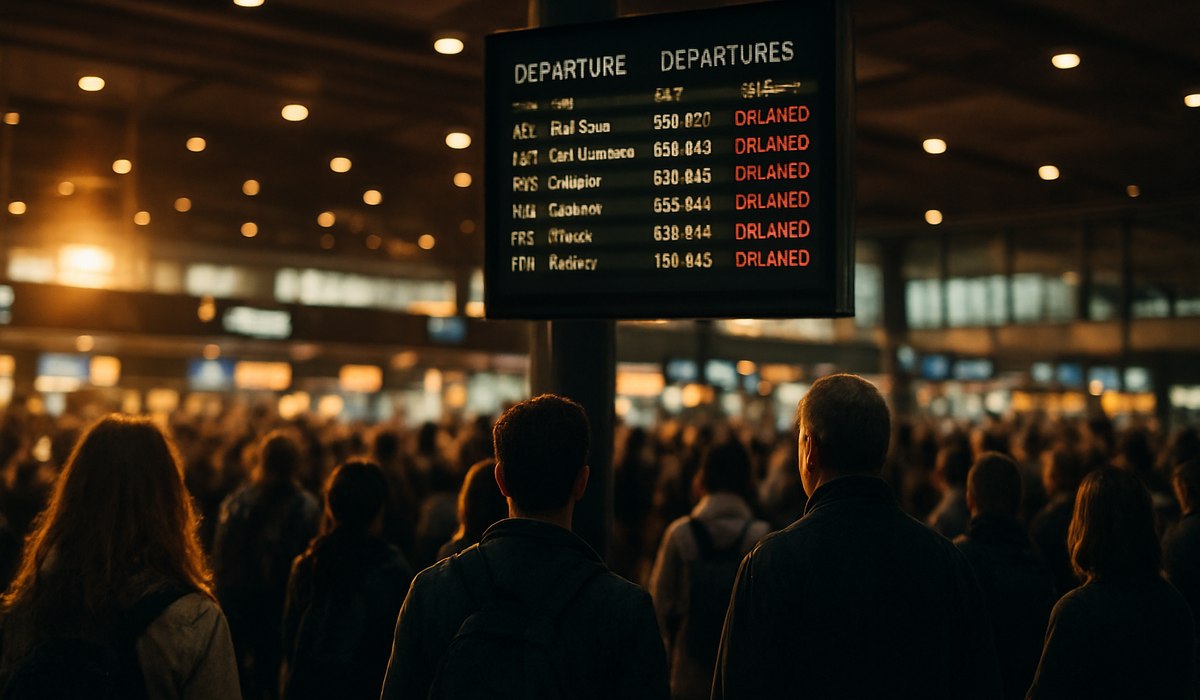
Image generated by AI
Widespread Flight Disruptions Ground Hundreds Across Canada
Over 300 flights experienced delays and 29 were cancelled across Canada's busiest airports on April 11, 2026, creating significant travel chaos for passengers relying on major carriers. Toronto Pearson International, Vancouver International, Montreal-Trudeau, Calgary International, and Halifax Stanfield emerged as primary disruption epicenters, with cascading effects rippling through Air Canada, WestJet, Porter Airlines, Air Transat, and several regional operators. The scale of disruptions—affecting both domestic and transborder routes—underscores mounting capacity and scheduling pressures within Canada's aviation network as the spring travel season intensifies.
Major Hubs See Knock-On Disruptions
Canada's largest airport hubs absorbed the brunt of today's operational strain. Toronto Pearson International reported dozens of delayed departures alongside multiple cancellations, reflecting its role as the nation's busiest hub and primary connection point for transcontinental traffic. Vancouver International mirrored this pattern with substantially more delays than outright cancellations, suggesting airlines prioritized schedule completion despite reduced operating margins.
Montreal-Trudeau and Calgary International experienced elevated disruption levels skewed heavily toward delays rather than cancellations. This delay-heavy pattern created rolling queues at check-in counters, security screening, and boarding gates throughout the day. Halifax Stanfield and smaller regional facilities reported fewer absolute cancellation numbers but proportionally higher impact on their daily operations.
For real-time flight status updates, consult FlightAware, which provides live tracking of Canadian airport conditions and individual flight progress.
Toronto Pearson and Vancouver International Hit Hardest
Toronto Pearson International stood as the day's primary disruption focal point, handling Air Canada's dense network spanning Toronto, Montreal, Vancouver, and Calgary. Dozens of departures fell behind schedule while a smaller but meaningful cancellation cluster created rebooking bottlenecks. The airport's position as Eastern Canada's primary international gateway amplified secondary effects across transcontinental and transborder routes.
Vancouver International absorbed similar pressures with delays substantially exceeding cancellations. WestJet's heavy concentration in western Canada—particularly through Vancouver and Calgary—meant that even moderate schedule compression at this hub triggered network-wide ripple effects extending eastward into connections serving Ontario and Atlantic provinces.
Montreal-Trudeau's expanding role as a secondary transcontinental hub meant delays here compounded pressures on Porter Airlines' newer longer-haul routes requiring tight turnaround times. Limited slack in these schedules left minimal recovery capacity for minor operational setbacks.
Air Canada, WestJet, Porter and Air Transat Among Affected Carriers
Air Canada, Canada's largest carrier with extensive operations threading through all major hubs, recorded the highest volume of affected flights with double-digit cancellations and substantially larger delayed flight pools across domestic and transborder networks. The airline's density through Toronto, Montreal, Vancouver, and Calgary positioned it as the primary carrier absorbing today's disruptions.
WestJet suffered extensive delays concentrated in western Canadian operations through Calgary and Vancouver, with fewer cancellations than Air Canada but cumulative late-arrival effects straining network connections reaching eastward. Aircraft and crew rotation delays cascaded throughout the airline's schedule, particularly affecting regional connections.
Porter Airlines, which has expanded rapidly from Toronto City and Ottawa bases into western markets, appeared prominently in disruption tallies. Delays on short-haul and newer longer-haul routes added congestion at Toronto and Montreal, where tight turnaround requirements left negligible recovery margin for operational setbacks.
Air Transat, focused primarily on leisure and transatlantic flying, proved less numerically prominent but still experienced disruptions on services intersecting major hub operations where gate and runway congestion delayed ground handling.
Several regional and niche carriers rounded out affected operators, demonstrating how quickly major hub strain radiates outward through secondary route networks.
Impact on Regional Airports and Passenger Rebooking
The disruption cascade extended beyond Canada's "big five" airports into mid-sized and smaller regional facilities. Halifax, Thunder Bay, Winnipeg, and Ottawa experienced measurable secondary effects as passengers missed connections and rebooking demand overwhelmed limited alternative departure options.
Even modest cancellation numbers at regional airports translate into extended waiting periods when alternative flights within reasonable timeframes prove scarce. Passengers holding connections through major hubs faced particular challenges as primary flight delays consumed buffer time built into itineraries.
Air Canada and WestJet, with their extensive regional networks, drove much of this ripple effect. Passengers booked on regional-to-hub-to-destination itineraries discovered that primary leg delays eliminated connection windows, requiring same-day rebooking on alternate services often unavailable until following days.
Operational Causes: Weather, Congestion, and Scheduling Pressure
Multiple factors converged to produce today's disruptions. Seasonal weather variations across Canadian airports complicated runway availability, de-icing requirements, and air traffic flow management. While conditions remained safe for operations, expanded aircraft spacing and extended ground-handling times eroded schedule reliability.
Canadian carriers have maintained dense schedules throughout winter and early spring, leaving minimal slack for early-morning or mid-day irregularities. When initial flights depart late from major hubs, aircraft and crew rotations compress throughout the day, generating the cascading delays visible across all five disruption epicenters.
Structural pressures within Canada's aviation system—including high demand on key domestic trunk routes, finite runway capacity at central hubs, and ongoing staffing challenges—magnify these effects when combined with weather constraints or technical issues.
Key Disruption Data Summary
| Metric | Details |
|---|---|
| Total Delayed Flights | 311 across Canada on April 11, 2026 |
| Total Cancelled Flights | 29 cancellations across major hubs |
| Primary Airport Affected | Toronto Pearson International |
| Secondary Major Hubs | Vancouver, Montreal, Calgary, Halifax |
| Largest Carrier Impact | Air Canada (highest absolute numbers) |
| Delay-to-Cancellation Ratio | 10.7:1 (more delays than outright cancellations) |
| Operational Peak Hours | 6:00 AM – 4:00 PM EDT across all hubs |
| Regional Airport Impact | Moderate secondary effects on connections |
What This Means for Travelers
If your Canadian air travel occurred on April 11 or subsequently, understand your rights and available remedies:
-
Verify your flight status immediately through your airline's website, FlightAware, or direct carrier contact before heading to the airport.
-
Request written confirmation of any cancellation or delay exceeding three hours, as Canadian regulations may entitle you to compensation.
-
Document all expenses incurred due to delays or cancellations—meals, accommodation, ground transportation—as these may support compensation claims under Canadian Transportation Agency guidelines.
-
Contact your airline proactively regarding rebooking options rather than waiting in airport queues; agents can often find earlier alternative flights through partner carriers.
-
Review your travel insurance policy to understand coverage for flight disruptions; many policies include reimbursement provisions for delay-related expenses.
-
File complaints with the Canadian Transportation Agency if your airline refuses compensation you believe you're entitled to under federal regulations.
-
Check airline social media and official channels for real-time updates, as website traffic often exceeds capacity during major disruptions.
Frequently Asked Questions
What passenger rights apply to Canadian flight delays?
Under Canadian Transportation Agency regulations, airlines operating within Canada must provide compensation for flight delays exceeding three hours, subject to exemptions for extraordinary circumstances like severe
Disclaimer
This article is for informational and educational purposes only. It does not constitute legal, financial, or professional advice. While we strive to provide accurate and up-to-date information, travel policies, regulations, and conditions change rapidly. Always verify information with official sources before making travel decisions. Nomad Lawyer makes no representations about the accuracy, reliability, completeness, or suitability of the information provided. Readers should consult qualified professionals for advice specific to their circumstances. The views expressed in this article are those of the author and do not necessarily reflect the views of Nomad Lawyer.
Raushan Kumar
Founder & Lead Developer
Full-stack developer with 11+ years of experience and a passionate traveller. Raushan built Nomad Lawyer from the ground up with a vision to create the best travel and law experience on the web.
Learn more about our team →