
Canada Allocates C$14.1 Million to Nova Scotia Firms to Combat US Tariff Pressures in 2026
The Canadian government has deployed C$14.1 million to 27 Nova Scotia businesses via the Regional Tariff Response Initiative to offset US trade volatility and strengthen supply chains.
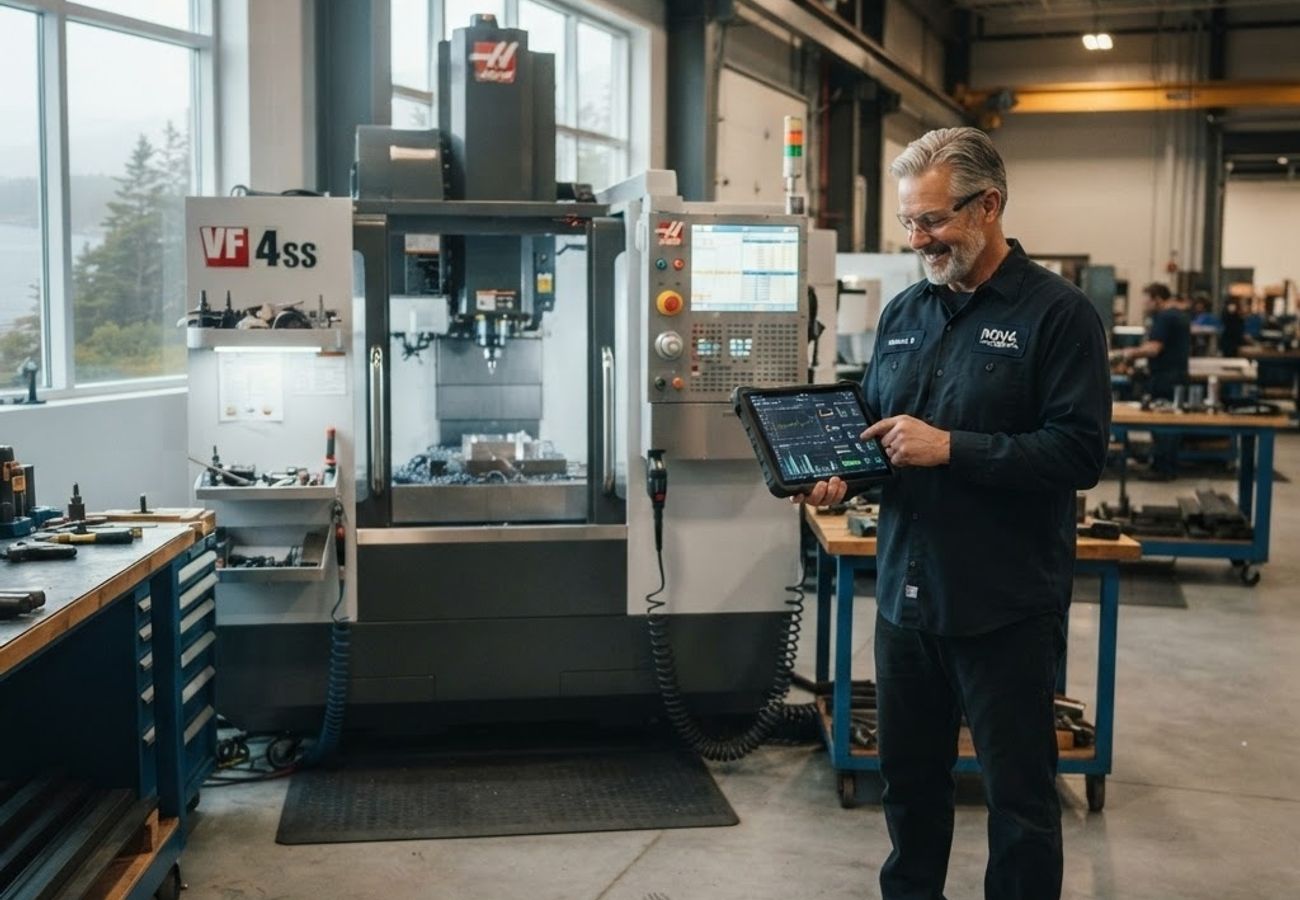
Image generated by AI
Federal funding of C$14.1 million has been deployed to 27 Nova Scotia organizations to mitigate the economic impact of US tariffs. This strategic injection aims to preserve regional employment and stabilize the supply chains that underpin the broader Atlantic Canadian economy.
Trade Disruption and Federal Response
On September 2, 2026, the Canadian government announced a C$14.1 million investment targeted at businesses and organizations across Nova Scotia. This funding is delivered through the Regional Tariff Response Initiative (RTRI), a program specifically engineered to assist Canadian enterprises in navigating tariff-related cost increases and global trade volatility.
The initiative focuses on four primary objectives: improving industrial productivity, strengthening regional supply chains, reducing operational costs, and expanding access to non-US international markets.
Impact Breakdown: Nova Scotia Industrial Sector
The funding is distributed across 27 distinct entities. A primary example of this allocation is Ace Machining Ltd., a manufacturer based in Dartmouth.
- Ace Machining Ltd. Allocation: Received over C$400,000.
- Capital Investment: Procurement of a Matsuura MX-420 automated CNC milling station, distributed by Elliott Matsuura Canada.
- Strategic Shift: The company explicitly excluded US suppliers from the procurement process following the initial round of US tariffs to avoid further trade risk.
- Expected Outcome: Increased production throughput and enhanced competitiveness within the domestic Canadian market.
Broader Economic Scale and Funding Framework
The Nova Scotia package is a localized component of a massive federal strategy to shield the Canadian economy from "unjustified" US tariffs. Our analysis of the current fiscal allocations reveals the following scale of support:
- Total RTRI Budget: C$3.45 billion allocated to sectors including steel, aluminium, copper, automotive, forestry, and food security.
- Recent Expansion: On August 25, 2026, Ottawa introduced a C$7.5 billion package of enhanced measures for affected workers and businesses.
- Cumulative Support: Nearly C$25 billion has been introduced since the inception of the current US tariff regime.
- Atlantic Canada Boost: An additional C$1.5 billion has been earmarked specifically for the RTRI to increase accessibility for businesses across the Atlantic provinces.
Passenger and Travel Advisory: Indirect Economic Impacts
While this funding is directed toward industrial firms, the stability of Nova Scotia's manufacturing sector has a direct correlation with the regional travel and tourism ecosystem. For the traveler and business visitor, this means:
- Employment Stability: By preventing layoffs in the industrial sector, the government maintains household spending power, which sustains demand for regional hotels, restaurants, and transport operators.
- Infrastructure Resilience: Stronger local supply chains ensure that the physical infrastructure supporting tourism remains maintainable and operational.
- Economic Confidence: Reduced business volatility leads to more stable pricing for local services and a more predictable environment for corporate travel to the Atlantic region.
For passengers currently booking travel to Nova Scotia, our analysis suggests that these measures are designed to prevent the "economic contagion" often seen when trade wars lead to regional recessions, thereby protecting the quality and availability of tourism services.
The shift toward "competitiveness over crisis relief" marks a pivot in Canadian trade policy. Rather than providing simple subsidies to cover losses, the RTRI encourages capital investment in automation and market diversification.
By incentivizing companies like Ace Machining to move away from US-dependent procurement, Canada is effectively attempting to "de-risk" its regional economies. For the travel sector, this creates a more diversified economic base, making the province less susceptible to sudden shocks in US-Canada relations.
The long-term success of this initiative will be measured by Nova Scotia's ability to maintain employment levels and consumer spending despite ongoing trade frictions.
Related Travel Guides
Disclaimer
This article is for informational and educational purposes only. It does not constitute legal, financial, or professional advice. While we strive to provide accurate and up-to-date information, travel policies, regulations, and conditions change rapidly. Always verify information with official sources before making travel decisions. Nomad Lawyer makes no representations about the accuracy, reliability, completeness, or suitability of the information provided. Readers should consult qualified professionals for advice specific to their circumstances. The views expressed in this article are those of the author and do not necessarily reflect the views of Nomad Lawyer.