
Kashmir Tourism Explodes as Vande Bharat Express and Road Trips Drive Summer Visitor Surge in 2026
Kashmir Valley witnesses unprecedented summer tourism boom fueled by Vande Bharat Express rail connectivity and self-driven road trips, straining Srinagar's infrastructure while hoteliers slash rates.

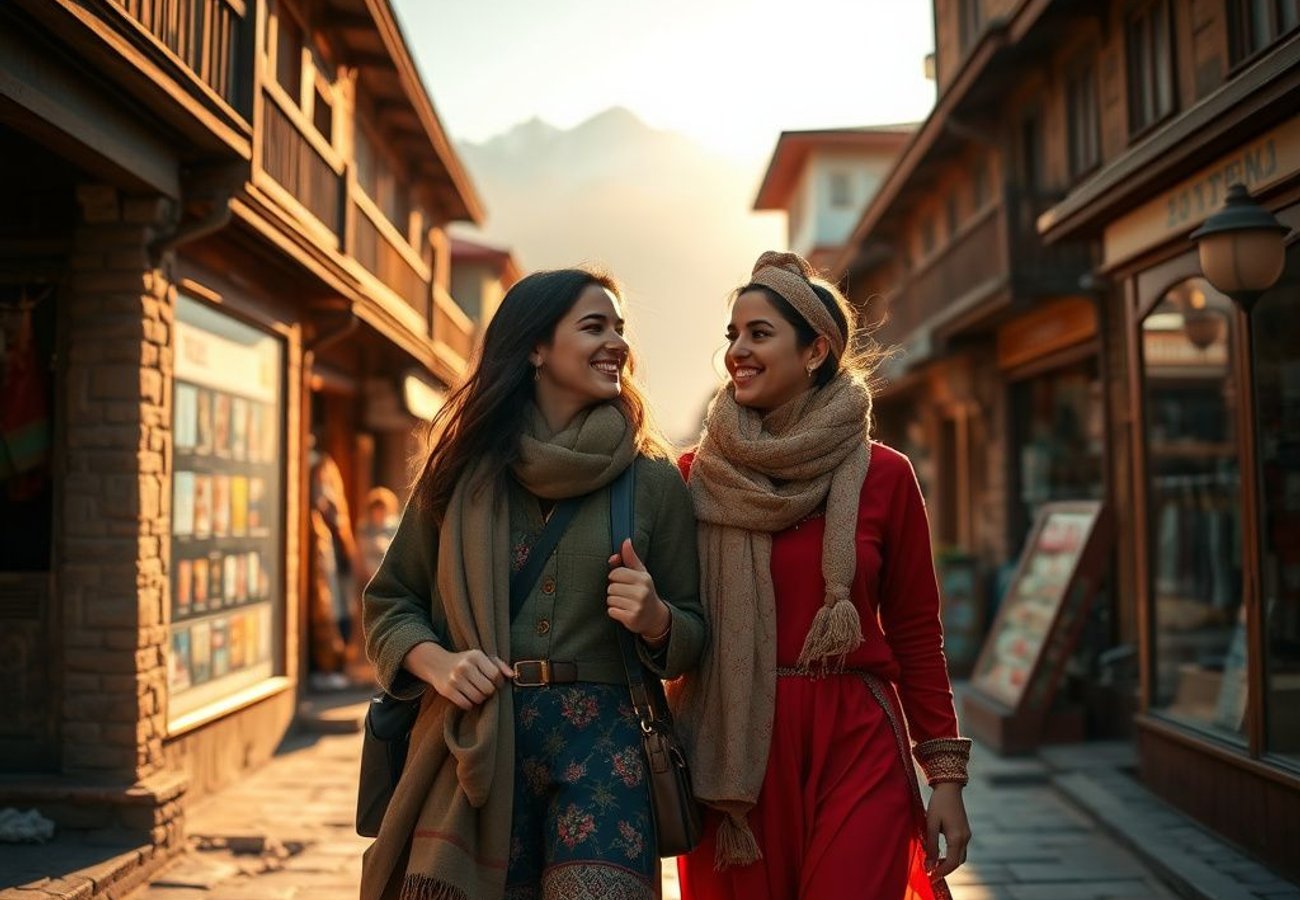
Image generated by AI
The Kashmir Valley is experiencing a tourism explosion this summer, and the culprit is clear: improved connectivity. The newly launched Vande Bharat Express has become a game-changer, bringing first-time visitors and weekend travellers to the region in unprecedented numbers. But success comes with a price—literally.
The Vande Bharat Effect: Rail Connectivity Reshapes Kashmir Tourism
When Indian Railways launched the Vande Bharat Express connecting Kashmir more directly to major metros, tourism officials expected growth. What they got was chaos—beautiful, profitable chaos.
Syed Qamar Sajjad, Director of Tourism for Kashmir and Managing Director of the J&K Cable Car Corporation, confirmed what everyone on Boulevard Road already knew: "The rise in weekend tourism, along with a growing preference among visitors to drive their own cars, has led to traffic build-up along the Boulevard."
The iconic Boulevard Road, which hugs the stunning Dal Lake shoreline, has become a parking lot during peak hours. Heavy congestion is now a daily reality, not a weekend anomaly.
The Road Trip Revolution: Self-Driven Vehicles Flood Kashmir
Here's what changed the game: visitors stopped waiting for organized tours. They started renting cars.
Vehicles bearing Delhi, Uttar Pradesh, Rajasthan, and even Gujarat registration plates now dominate Kashmir's roads. Local houseboat operators and hoteliers report a dramatic shift toward self-driven travel, transforming infrastructure that wasn't built for this volume.
Reddit: "Drove to Kashmir from Delhi last month. The Boulevard was packed with tourists in their own cars. It's wild how much the connectivity has changed everything." — r/IndiaTravel
Manzoor Ahmad Pakhtoon, Chairman of the All Kashmir Houseboat Owners Association and a fourth-generation houseboat operator, pushed back on blaming only self-driven tourists. "We also have to factor in occasional exhibitions and VVIP movement in the area," he said. Fair point—but the numbers don't lie.
The Mata Vaishno Devi Effect: Four Hours Changed Everything
Here's a travel pattern nobody predicted: visitors to the Mata Vaishno Devi shrine in Katra are now extending their journeys to Kashmir. With Srinagar just four hours away by road, what was once a two-destination trip is becoming standard.
This extended-stay pattern is transforming Kashmir from a destination into a road-trip waypoint—and it's working.
Hotel Rates Plummet: Occupancy Up, Revenue Down
While accommodations across Srinagar are booked at approximately 90 per cent occupancy, hoteliers face an uncomfortable reality: they're earning less per room.
Imran Nazir, a dentist-turned-hotelier running the 20-bed Cedrus Resorts near Srinagar airport, revealed the brutal math: "Last year, until the terrorist attack in Pahalgam, we were charging INR 5,000 a night for a room. This time, although all my rooms are booked, I am charging around INR 2,500-3,000 as tourists are spending much less."
In Pahalgam, the rate collapse is even steeper. Aijaz Ahmad Khan, owner of Paristan Resorts, noted that premium properties have suffered most: "Until the incident last year, we were charging INR 8,000-9,000 per night in Pahalgam. This season, however, rates have come down to about INR 5,500, as demand for high-end properties has softened."
Pahalgam occupancy sits slightly lower than Srinagar's 90 per cent, but volume is driving bookings anyway.
The Infrastructure Question: Can Kashmir Handle It?
According to the Jammu and Kashmir Economic Survey 2025-26, the tourism sector contributes approximately 7 per cent to the Union Territory's gross state domestic product and provides direct employment to nearly 500,000 people. That's real economic weight.
But infrastructure tells a different story. Over 800 houseboats spread across Dal Lake, Nigeen Lake, the Jhelum River, and Chinar Bagh are straining under demand. Parking is at capacity. Roads designed for regional traffic now handle national-scale volumes.
Sajjad insisted the administration is equipped to manage the chaos, but local operators speak a different language—the language of congestion, stretched resources, and uncertainty.
What Comes Next?
This is a classic travel industry moment: explosive growth meeting inadequate infrastructure. The Vande Bharat Express has done its job too well. It's democratized access to Kashmir, bringing budget-conscious road trippers who spend less but stay longer.
The hoteliers are adapting by slashing rates. The operators are coping with congestion. The local government is scrambling to manage traffic.
For travellers, the message is clear: book accommodations in advance, expect delays on Boulevard Road, and pack patience alongside your luggage.
For Kashmir's tourism sector, it's a high-class problem: they've become too popular, too fast.
Kashmir's Vande Bharat moment is proof that better connectivity always disrupts before it prospers.
Related Travel Guides
Disclaimer
This article is for informational and educational purposes only. It does not constitute legal, financial, or professional advice. While we strive to provide accurate and up-to-date information, travel policies, regulations, and conditions change rapidly. Always verify information with official sources before making travel decisions. Nomad Lawyer makes no representations about the accuracy, reliability, completeness, or suitability of the information provided. Readers should consult qualified professionals for advice specific to their circumstances. The views expressed in this article are those of the author and do not necessarily reflect the views of Nomad Lawyer.
Kunal K Choudhary
Co-Founder & Contributor
A passionate traveller and tech enthusiast. Kunal contributes to the vision and growth of Nomad Lawyer, bringing fresh perspectives and driving the community forward.
Learn more about our team →