
Cambodia and South Korea Strengthen Tourism Ties via IIDA Partnership
Cambodia and South Korea expand tourism and investment cooperation through the International Interchange Development Association (IIDA) to boost Korean visitor

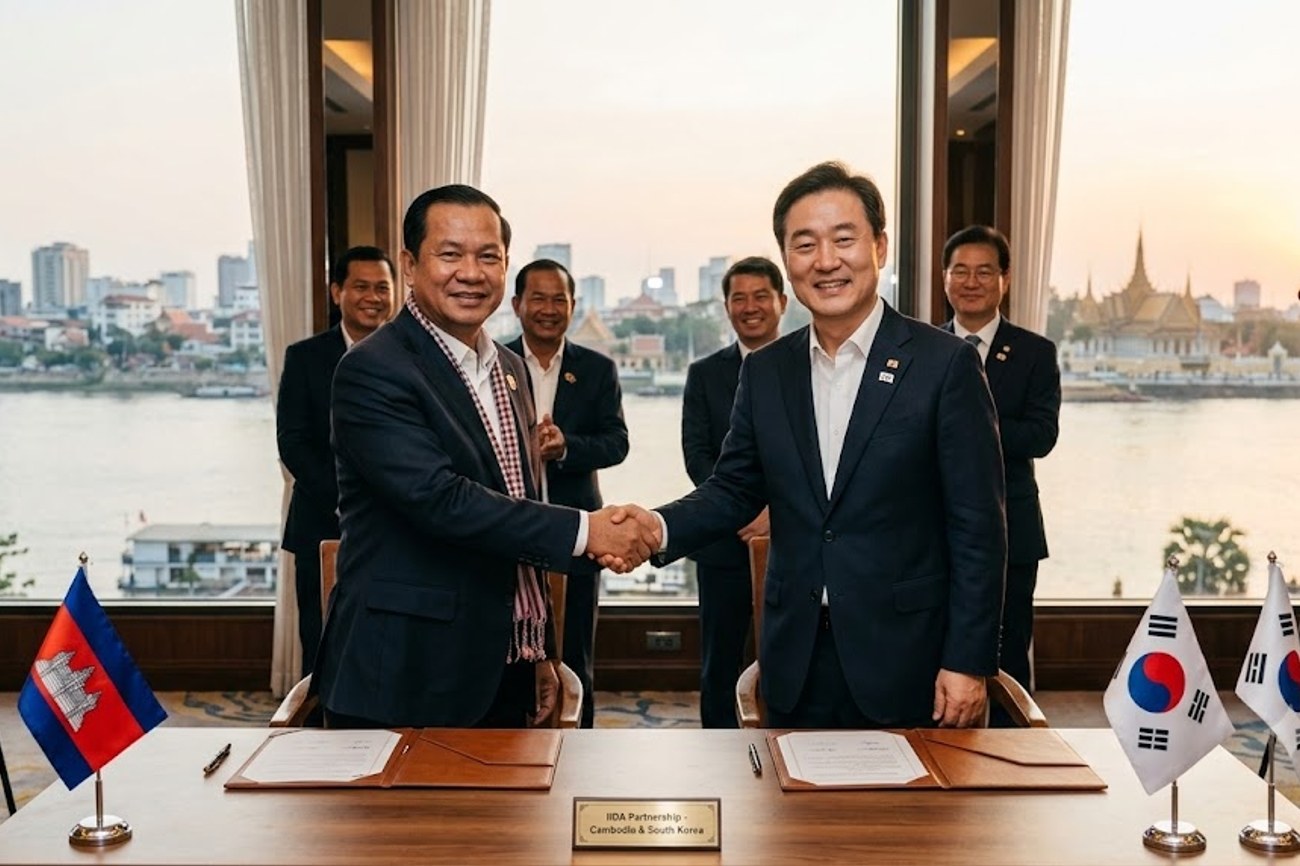
Image generated by AI
Cambodia has entered a formal cooperation phase with the Republic of Korea to accelerate tourism growth and capital inflow. In a high-level meeting, His Excellency HUOT Hak of the Cambodian Ministry of Tourism and Mr. Mun Yong-Jo, President of the International Interchange Development Association (IIDA), outlined a roadmap to position Cambodia as a primary destination for South Korean travelers and investors.
The collaboration focuses on bridging the gap between government tourism authorities and South Korean private-sector leaders. The primary objective is to transition Cambodia from a seasonal destination to a year-round hub for Korean leisure and business travel.
Strategic Growth Pillars The partnership is built on four specific objectives:
- Scaling the volume of South Korean tourist arrivals.
- Strengthening bilateral cultural exchange programs.
- Expanding business-to-business cooperation.
- Increasing direct foreign investment from South Korean firms.
Market Diversification and the "Green Season" A central component of this strategy is the "Visit Cambodia in the Green Season" campaign. Developed alongside airlines, travel agencies, and media entities, this initiative seeks to break the reliance on peak travel windows. By promoting landscapes and cultural sites during the off-peak season, Cambodia aims to increase the average length of stay and boost per-visitor spending.
Security and Investment Climate During the bilateral talks, the Cambodian government emphasized its current political and economic stability as a foundation for growth. Mr. Mun Yong-Jo specifically noted Cambodia's efforts to combat online crime, citing a secure environment as a prerequisite for South Korean investors.
The IIDA is now positioned as a strategic conduit for Korean corporate leaders to explore investment in hospitality infrastructure, travel services, and destination development projects.
Key Facts Breakdown
- Key Stakeholders: H.E. HUOT Hak (Ministry of Tourism, Cambodia) and Mr. Mun Yong-Jo (President of IIDA).
- Primary Target Market: South Korea.
- Core Campaign: "Visit Cambodia in the Green Season."
- Investment Focus Areas: Hospitality development, tourism infrastructure, and cultural experience projects.
- Strategic Goal: Diversify tourism products beyond heritage sites to include nature, wellness, and community-based tourism.
Why This Matters
From a logistical perspective, this partnership signals Cambodia's shift toward "high-value" tourism. Rather than relying solely on the mass appeal of Angkor Wat, the focus on "Green Season" travel and wellness tourism suggests a move to stabilize cash flow across the fiscal year.
For the aviation and travel industry, this indicates a likely push for increased flight frequencies and potentially new direct charters between Seoul and Cambodian hubs. By involving the IIDA—an organization that blends trade, education, and tourism—Cambodia is not just seeking tourists, but the infrastructure capital (hotels and resorts) necessary to support a higher volume of affluent Korean travelers.
Industry Outlook
Expect a surge in South Korean-funded hospitality projects in Cambodia over the next 24 months. As the "Green Season" campaign gains traction, travel agencies will likely introduce more diversified packages that move beyond Siem Reap and Phnom Penh into coastal and rural wellness retreats. The success of this initiative will depend on the ability of IIDA to convert high-level diplomatic pledges into actual corporate capital expenditures.
Internal Link Suggestions:
- Analyzing Southeast Asian Green Season Travel Trends
- Foreign Direct Investment in Emerging Hospitality Markets
- South Korean Outbound Travel Patterns in 2026
Related Travel Guides
Disclaimer
This article is for informational and educational purposes only. It does not constitute legal, financial, or professional advice. While we strive to provide accurate and up-to-date information, travel policies, regulations, and conditions change rapidly. Always verify information with official sources before making travel decisions. Nomad Lawyer makes no representations about the accuracy, reliability, completeness, or suitability of the information provided. Readers should consult qualified professionals for advice specific to their circumstances. The views expressed in this article are those of the author and do not necessarily reflect the views of Nomad Lawyer.
Preeti Gunjan
Contributor & Community Manager
A passionate traveller and community builder. Preeti helps grow the Nomad Lawyer community, fostering engagement and bringing the reader experience to life.
Learn more about our team →