
Las Vegas Tourist Incident Sparks Warning Over US Legal and Immigration Risks
A reported dispute on the Las Vegas Strip highlights the severe legal and immigration consequences international visitors face when violating US laws.

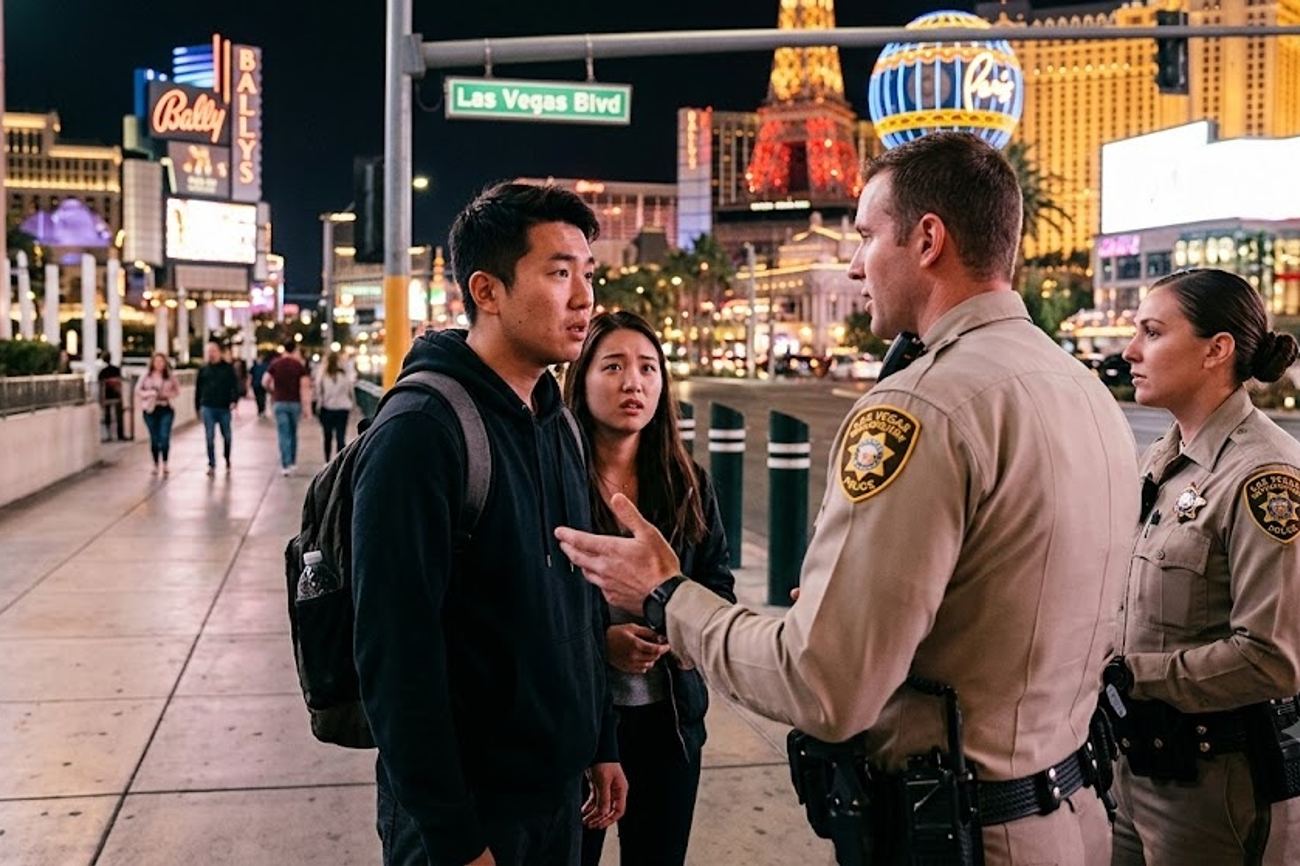
Image generated by AI
Legal Accountability for International Visitors in Las Vegas
A reported incident involving a tourist at a Las Vegas Strip buffet has reignited a conversation regarding the legal vulnerabilities of international visitors. While official details regarding the individual's identity and specific charges remain unconfirmed, social media reports suggest the dispute led to significant immigration-related repercussions.
This case serves as a stark reminder that the perceived "vacation atmosphere" of Las Vegas does not supersede local, state, or federal laws. Visitors are subject to the same legal scrutiny as US citizens, and actions taken during a trip can have long-term consequences.
For millions of annual visitors, the transition from a personal disagreement to a criminal or immigration case can happen rapidly. In Nevada, authorities maintain strict enforcement regarding disorderly conduct, physical confrontations, and public behavior.
The Intersection of Criminal Law and Immigration Status
The most severe risk for foreign nationals is not the immediate legal penalty, but the subsequent impact on their ability to travel. The US Department of Homeland Security and US Immigration and Customs Enforcement (ICE) monitor the legal conduct of visa holders.
Legal complications in the US can trigger a review of a visitor's immigration status. Depending on the severity of the charge and the court's decision, a tourist may face:
- Visa revocation or denial of future entry.
- Formal deportation proceedings.
- Permanent records that complicate international mobility.
A tourist visa grants entry for leisure or business, but it does not offer a legal shield. Any breach of American law can fundamentally alter a traveler's future ability to enter the United States.
Maintaining Safety in High-Density Entertainment Zones
Las Vegas relies on a massive infrastructure of hotels, casinos, and restaurants that employ rigorous security protocols. These venues are designed to handle high volumes of people, but they also have zero-tolerance policies for behavior that threatens guest safety.
Tourism professionals emphasize that the combination of crowded venues, alcohol consumption, and high-stress environments can escalate minor frictions into legal battles. To avoid these risks, visitors are advised to:
- Resolve disagreements calmly or involve venue staff immediately.
- Adhere strictly to the rules of private establishments.
- Avoid escalations in public spaces where Clark County and Las Vegas police maintain a heavy presence.
Essential Preparation for Global Travelers
Beyond booking flights and hotels, legal literacy is a vital part of international travel planning. Understanding the expectations of the host country reduces the risk of accidental or impulsive legal encounters.
Experts recommend that international travelers maintain a basic understanding of local regulations and keep emergency contact information and travel insurance readily available. Responsible decision-making is the most effective tool for ensuring a holiday does not result in a legal crisis.
Key Takeaways
- No Immunity: Tourist status does not protect foreign nationals from US state or federal law enforcement.
- Immigration Risk: Legal disputes can lead to ICE involvement and the potential loss of future travel privileges.
- Venue Security: Las Vegas Strip establishments operate under strict security mandates; conflicts are handled swiftly by authorities.
- Behavioral Impact: Personal conduct in public spaces can have permanent effects on a visitor's international mobility.
FAQ
Do US laws apply differently to tourists than to residents? No. All individuals within US borders, regardless of nationality or visa status, must obey local, state, and federal laws.
Can a minor dispute in Las Vegas lead to deportation? Yes. Depending on the charges and the discretion of immigration authorities (ICE), legal incidents can lead to a review of immigration status and potential removal from the country.
Who handles legal incidents involving tourists in Las Vegas? Depending on the severity, incidents are handled by venue security, the Las Vegas Metropolitan Police Department, or Clark County authorities.
Related Travel Guides
Disclaimer
This article is for informational and educational purposes only. It does not constitute legal, financial, or professional advice. While we strive to provide accurate and up-to-date information, travel policies, regulations, and conditions change rapidly. Always verify information with official sources before making travel decisions. Nomad Lawyer makes no representations about the accuracy, reliability, completeness, or suitability of the information provided. Readers should consult qualified professionals for advice specific to their circumstances. The views expressed in this article are those of the author and do not necessarily reflect the views of Nomad Lawyer.
Raushan Kumar
Founder & Lead Developer
Full-stack developer with 11+ years of experience and a passionate traveller. Raushan built Nomad Lawyer from the ground up with a vision to create the best travel and law experience on the web.
Learn more about our team →