
Cambodia Aligns with Indonesia and More as Australia Issues Travel Advisory Covering Safety and Border Risks
Cambodia Aligns with Indonesia and More as Australia Issues Travel Advisory Covering Safety and Border Risks

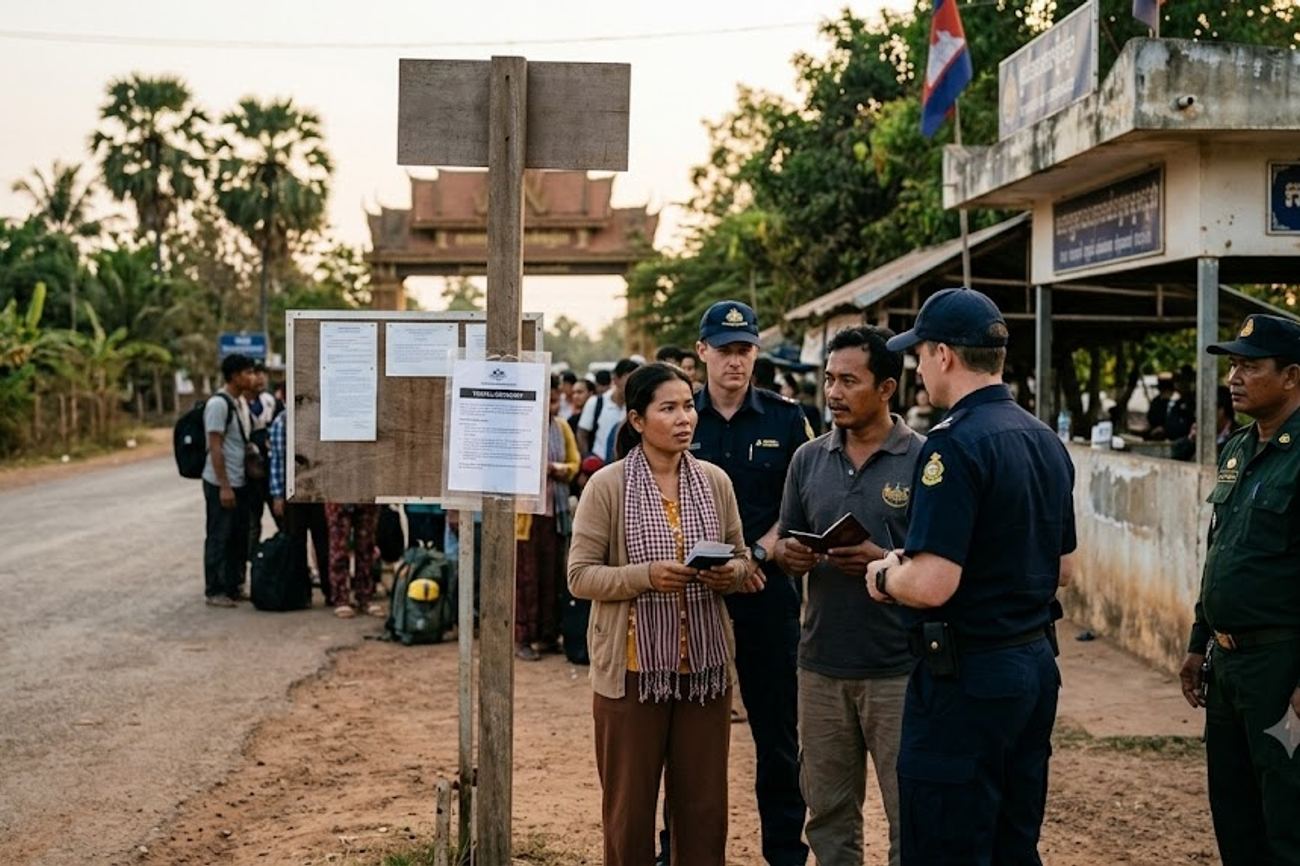
Image generated by AI
[Canberra, October 2023] — The Australian government has issued urgent travel advisories for Cambodia, Indonesia, Colombia, and Bolivia, citing heightened security threats, volatile border disputes, and evolving entry requirements.
The updated guidance, released by the Australian Department of Foreign Affairs and Trade (DFAT), mandates that travelers exercise a high degree of caution when visiting these nations. The warnings stem from a combination of regional armed conflicts, persistent terrorism risks, systemic street crime, and the threat of natural disasters.
Border Conflicts and Security Triggers
The most acute warning concerns the Cambodia-Thailand border, where the Australian government advises against all travel within a 50-kilometer zone of the frontier across seven specific provinces. This restricted zone includes Banteay Meanchey, Oddar Meanchey, Preah Vihear, Battambang, Pailin, Pursat, and Koh Kong.
The trigger for this restriction is the ongoing risk of armed confrontation between the military forces of Cambodia and Thailand. Reports indicate a history of military strikes and violence in these sectors. Beyond active conflict, the region remains hazardous due to the prevalence of landmines and unexploded ordnance left over from previous wars. Consequently, land border crossings between the two nations are currently closed, forcing travelers to seek alternative transit routes.
In Indonesia, the security triggers are centered on terrorism and civil unrest. The advisory highlights that government installations and high-profile tourist hubs remain potential targets for terrorist activity. Particular volatility is noted in Papua Pegunungan and Papua Tengah, where armed groups have engaged in violent incidents targeting remote transport hubs and settlements.
Impacted Regions and Passenger Risks
The advisory breaks down specific risks by geography and activity, affecting millions of annual visitors to Southeast Asia and South America.
Cambodia: High-Risk Zones and Urban Hazards
- Border Provinces: Banteay Meanchey, Oddar Meanchey, Preah Vihear, Battambang, Pailin, Pursat, and Koh Kong (Avoid travel within 50km of the Thai border).
- Urban Centers: High prevalence of motorcycle-based bag and phone snatching.
- Nightlife Districts: Increased reports of drink spiking and sexual assault.
- Financial Points: High risk of ATM fraud and credit card scams.
- Provincial Highways: Frequent fatal road accidents; night travel is discouraged.
Indonesia: Environmental and Security Hazards
- Papua Region: High risk of violence involving armed groups in Papua Pegunungan and Papua Tengah.
- Tourist Hubs (Bali, Jakarta, Lombok): Risk of terrorism and disruptive public demonstrations.
- Coastal Areas: Dangerous rip currents at unpatrolled beaches and sub-standard safety equipment on local ferries.
- Volcanic Zones: Constant risk of eruptions, earthquakes, and tsunamis.
Colombia and Bolivia: Regional Stability
- Colombia: Ongoing threats from criminal organizations and regional security instability.
- Bolivia: Political volatility leading to sudden travel disruptions and civil unrest.
Practical Traveler Advisory and Strategic Insights
For passengers currently booking or traveling to these destinations, these advisories translate into immediate operational changes and increased personal liability.
For those heading to Cambodia: You cannot rely on land crossings to Thailand. Any itinerary involving a bus or car journey between these two countries must be scrapped and replaced with air travel. Additionally, you must now navigate a digital-first entry system. You are required to submit a Cambodian electronic Arrival Card within seven days prior to landing. Furthermore, you must ensure your stay is registered in the Foreigners Present in Cambodia System; while hotels usually handle this, those in Airbnbs or private rentals must manually register to avoid immigration penalties.
For those heading to Indonesia: The financial cost of entry has increased. Visitors to Bali must now pay a tourist levy of IDR 150,000 per person, which is a separate charge from the standard visa fee. Arrival logistics have also tightened; the All Indonesia Arrival Card must be completed online within 72 hours of arrival. Travelers should be warned that Indonesian immigration is strictly enforcing passport condition standards—any tears or significant wear may result in denied entry.
General Safety Protocol: Travelers should avoid all political gatherings and protests. In urban areas of Cambodia and Indonesia, the "motorcycle snatch" is a primary threat; passengers in open-air vehicles (like tuk-tuks) should keep bags secured and phones out of sight.
The Australian government has issued a travel advisory for Cambodia, citing concerns over safety and border risks, which has led to a review of travel arrangements by airlines and tour operators. For the most up-to-date information on flight schedules and travel requirements, passengers can visit the official website of Cambodia Airports for details on airport operations and travel guidelines. This move is part of a broader effort to align with regional partners, including Indonesia, to enhance travel security and cooperation.
Entry Requirements and Regulatory Compliance
The regulatory environment for entering these regions has shifted toward mandatory digital pre-registration.
In Cambodia, visitors still require a visa, which can be obtained via an e-visa portal or upon arrival, typically granting a 30-day stay. Longer durations require explicit approval from the Cambodian Ministry of Interior.
In Indonesia, the government is cracking down on "visa misuse." The Australian advisory explicitly warns that tourist visas do not permit paid work, professional research, volunteering, or the creation of commercial content (such as professional influencer work). Engaging in these activities without a specific work permit can lead to deportation or fines. Travelers are urged to use only official government platforms for these applications to avoid fraudulent third-party sites that charge inflated fees.
Environmental factors also dictate travel timing. For Cambodia, the wet season (July to November) brings severe storms and flooding that frequently wash out provincial roads and disable essential infrastructure, potentially stranding travelers in rural areas.
FAQ: Australia Travel Warnings 2023
Can I still visit Bali with an Australian passport? Yes, but you must complete the All Indonesia Arrival Card within 72 hours of arrival and pay the IDR 150,000 Bali tourist levy. Ensure your passport is in pristine condition to avoid entry delays.
Which parts of Cambodia are currently off-limits? The Australian government strongly advises against traveling within 50km of the Thai border in provinces including Preah Vihear and Battambang due to landmines and potential military conflict.
What is the "Foreigners Present in Cambodia System"? It is a mandatory registration for all foreign visitors. While most hotels perform this for their guests, those staying in private homes or unregistered rentals must complete the registration themselves.
Are the land borders between Cambodia and Thailand open? No, land border crossings remain closed due to ongoing disputes. Travelers must use flights to move between these two countries.
Travelers are urged to register their itineraries with the Smartraveller portal for real-time emergency alerts.
Related Travel Guides
- Tokyo Aligns With Seoul and More as Zero Buffer Holidays Expose a Hidden Asia Travel Risk
- Nepal Landslides Block Major Highways Disrupting Access to Popular Tourist and Trekking Routes
- Water Shortages Hit Barbados and the Rest of the Caribbean Countries During Peak Tourism Demand Prompting Visitor Caution
Disclaimer
This article is for informational and educational purposes only. It does not constitute legal, financial, or professional advice. While we strive to provide accurate and up-to-date information, travel policies, regulations, and conditions change rapidly. Always verify information with official sources before making travel decisions. Nomad Lawyer makes no representations about the accuracy, reliability, completeness, or suitability of the information provided. Readers should consult qualified professionals for advice specific to their circumstances. The views expressed in this article are those of the author and do not necessarily reflect the views of Nomad Lawyer.
Preeti Gunjan
Contributor & Community Manager
A passionate traveller and community builder. Preeti helps grow the Nomad Lawyer community, fostering engagement and bringing the reader experience to life.
Learn more about our team →