
Baltimore Cultural Tourism Guide 2026: Exploring the B-Side, Arts Districts, and Waterfront Revival
Discover Baltimore's cultural resurgence in 2026 as the city flips the record with its B-Side campaign, welcoming 28.7 million visitors and generating $4.3 billion.

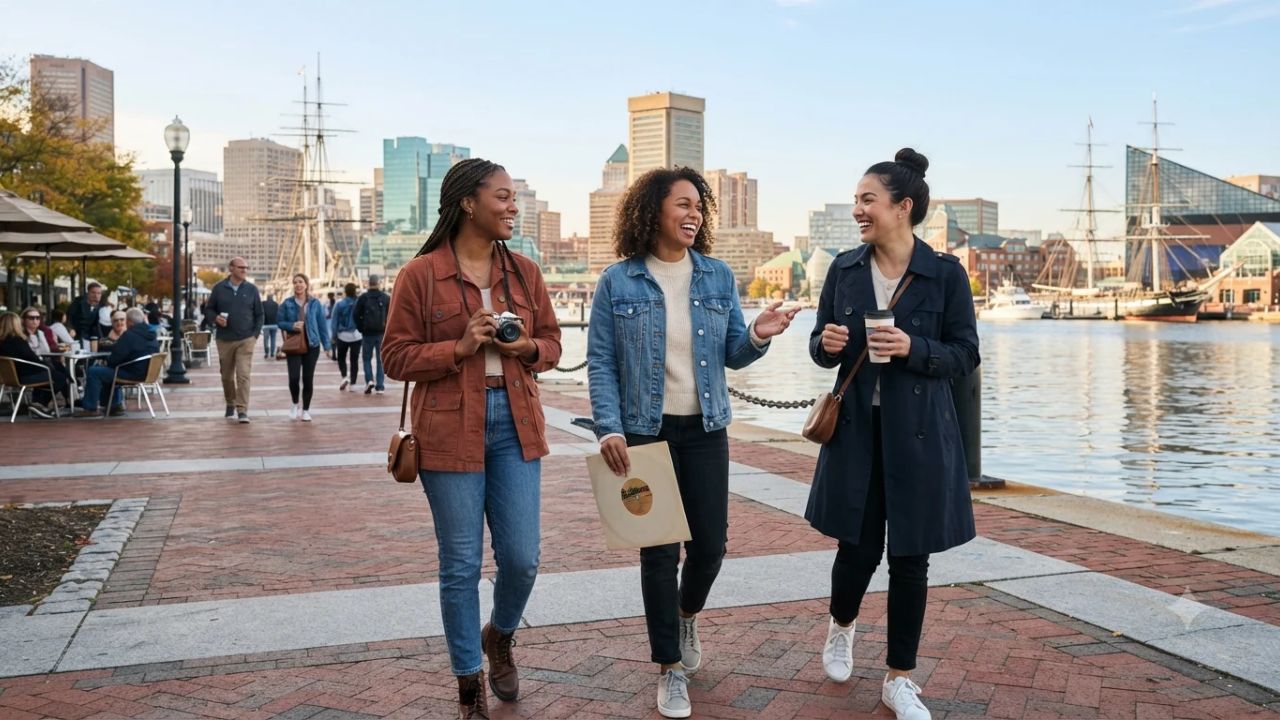
While many travelers only know Baltimore through vintage pop-culture clichés, 50% of the city's 28.7 million annual visitors arrive through personal networks of friends and family, unlocking an authentic creative underground that generated $4.3 billion in local economic impact. Guided by its innovative B-Side campaign, Charm City is intentionally flipping the record on tired misperceptions, drawing travelers into independent vinyl shops, Emmy-winning music collectives, and world-class exhibitions across historic row-house neighborhoods.
Flipping the Record on Charm City's Tourism Economy
Baltimore’s visitor economy has achieved significant momentum by pivoting away from standardized tourism marketing toward resident-driven, authentic storytelling. Official destination data verified by Longwoods International and presented at the annual industry assembly at the Baltimore Museum of Industry reveals that the city welcomed more than 28.7 million visitors in 2025. This visitor volume generated over $4.3 billion across local restaurants, neighborhood venues, independent retail, and transportation networks, establishing tourism as an indispensable pillar of the municipal economy.
Under the leadership of Visit Baltimore President and CEO Kireeem Swinton and Mayor Brandon M. Scott, the city secured American Rescue Plan Act funding to launch the B-Side initiative. Inspired by Baltimore's deep musical roots and the revival of vinyl culture, the campaign encourages travelers to look beyond the greatest hits of conventional sightseeing to discover the lesser-known, culturally rich tracks of the city. Backed by 36 citywide convention bookings and over 200,000 hotel room nights secured for Fiscal Year 2026, the destination achieved more than 300 million media impressions, including high-profile national broadcasts during Abbott Elementary. Supported by initiatives from the Maryland Office of Tourism, Baltimore has integrated hospitality with major urban investments, including the transformation of the historic Harborplace waterfront led by the Baltimore Development Corporation.
| Key Tourism & Hospitality Indicators | Metric / Performance Benchmark | Strategic Source & Impact Area | Destination Development Role |
|---|---|---|---|
| Annual Visitor Volume (2025) | 28.7+ million travelers | Longwoods International Assessment | Sustains broad retail, hospitality & transit employment |
| Direct Economic Impact | $4.3+ billion generated | Municipal Economic Analysis | Channels revenue directly into city general funds |
| Meetings & Conventions Booked | 36 citywide events | Visit Baltimore FY2026 Portfolio | Stabilizes weekday lodging and convention center revenues |
| Contracted Room Nights (FY2026) | 200,000+ room nights | Regional Hotel Association Tracking | Supports multi-night stays across downtown hotel corridors |
| Visiting Friends & Relatives (VFR) | ~50% of total visitor arrivals | Resident Perception Studies | Empowers locals as authentic destination ambassadors |
| National Media Reach | 300+ million impressions | Broadcast & Digital Campaign Metrics | Replaces legacy media stereotypes with cultural vitality |
| Industry & Workplace Accolades | 5 HSMAI Adrian Awards (2025) | Baltimore Sun Top Workplace 2025 | Validates excellence in sales, marketing & culture |
What Makes Baltimore's Neighborhoods and Arts Scene Different
Baltimore’s true charm lies in its hyper-distinctive neighborhood enclaves, where 19th-century brick architecture houses cutting-edge contemporary arts. Rather than experiencing the city as a monolithic downtown core, travelers encounter a patchwork of independent cultural communities.
In Mount Vernon and Charles Village, major cultural institutions anchor the urban fabric. The Baltimore Museum of Art, directed by Dorothy Wagner Wallis Director Asma Naeem, gained global acclaim with its record-breaking Amy Sherald: American Sublime exhibition, illustrating how civic museums can lead national cultural dialogues. Meanwhile, independent grass-roots initiatives led by creatives like Emmy Award-winning composer John Tyler, founder of Love Groove Productions, have built permanent platforms for emerging musicians, painters, and performance artists across Station North Arts and Entertainment District.
Beyond the museum halls, guided historic explorations curated by local veterans like Chris Riehl of Rent-a-Tour connect visitors directly to the maritime stories of Fells Point, the industrial legacy of Locust Point, and the rich African American heritage of West Baltimore. This interconnected creative network ensures that visitor spending directly supports neighborhood businesses, jazz clubs, and family-owned seafood establishments along the Chesapeake waterfront.
Visitor Insider Tips for Exploring Charm City
- B-Side Neighborhood Bases: Instead of confining your stay strictly to the Inner Harbor promenade, base yourself in historic boutique inns around Mount Vernon or boutique waterfront hotels in Fells Point to walk directly to indie coffee shops, vinyl dens, and cobblestone taverns.
- Art Museum Access: General admission to the Baltimore Museum of Art and the nearby Walters Art Museum is free year-round. Visit on Thursday evenings when galleries stay open late and host curated community talks and live acoustic sets.
- Authentic Waterfront Transit: Skip standard ride-shares during peak hours and take the Baltimore Water Taxi between Harbor East, Fells Point, and Fort McHenry. It offers scenic harbor views and bypasses downtown traffic entirely.
- Local Culinary Traditions: Venture beyond tourist crab houses to historic public markets like Lexington Market or Broadway Market for freshly shucked Chesapeake oysters, authentic Maryland jumbo lump crab cakes, and traditional Berger cookies.
- Live Music Discovery: Check the weekly schedules at independent venues in Station North and Federal Hill, where local jazz ensembles, indie rock bands, and hip-hop showcases perform in intimate, historic spaces.
Cultural and Environmental Context
Baltimore’s tourism renaissance is rooted in community equity and urban revitalization. By deploying federal recovery funds directly into resident-centered storytelling, municipal leaders have ensured that neighborhoods historically overlooked by conventional travel marketing receive tangible economic benefits.
The ongoing revitalization of Harborplace and the surrounding Patapsco River waterfront pairs modern public parklands with green infrastructure designed to improve harbor water quality and expand pedestrian access. Furthermore, local cultural institutions actively partner with public schools and community organizations to ensure that arts access remains inclusive. By celebrating local figures, preserving historic brick architecture, and fostering grassroots creative enterprise, Baltimore demonstrates how sustainable urban tourism can strengthen local pride while welcoming millions of curious global travelers.
FAQ: Visiting Baltimore 2026
What is the best way to get around Baltimore without a car? The Charm City Circulator provides free bus transit connecting major downtown districts, while the Baltimore Water Taxi and walkable pedestrian promenades link waterfront neighborhoods seamlessly.
When is the best season to explore Baltimore's cultural events? Spring and autumn offer ideal weather for walking tours, outdoor arts festivals, and waterfront dining, with September and October featuring vibrant harvest markets and music showcases.
How accessible is Baltimore from major East Coast transport hubs? Baltimore Penn Station provides high-speed Amtrak Acela connections from Washington, D.C. (30 minutes), Philadelphia (1 hour), and New York City (2.5 hours), alongside Baltimore/Washington International Airport (BWI).
Are Baltimore's major art museums open to the public for free? Yes, both the Baltimore Museum of Art and The Walters Art Museum offer free general admission to all permanent collections year-round.
To truly know Baltimore is to turn over the record, listening past the familiar chorus to discover the brilliant, soulful rhythm of its neighborhoods.
Related Travel Guides
Disclaimer
This article is for informational and educational purposes only. It does not constitute legal, financial, or professional advice. While we strive to provide accurate and up-to-date information, travel policies, regulations, and conditions change rapidly. Always verify information with official sources before making travel decisions. Nomad Lawyer makes no representations about the accuracy, reliability, completeness, or suitability of the information provided. Readers should consult qualified professionals for advice specific to their circumstances. The views expressed in this article are those of the author and do not necessarily reflect the views of Nomad Lawyer.
Naina Thakur
Contributor & Travel Specialist
Travel enthusiast and legal writer covering visa regulations, responsible tourism, and cultural journeys across global destinations.
Learn more about our team →