
Commonwealth Blue Charter Ocean Action Guide 2026: Sustainable Marine Tourism and Island Conservation
Explore how the Commonwealth Blue Charter Incubator Round II deploys £50,000 grants across 56 member states to protect marine sanctuaries and boost sustainable island tourism.

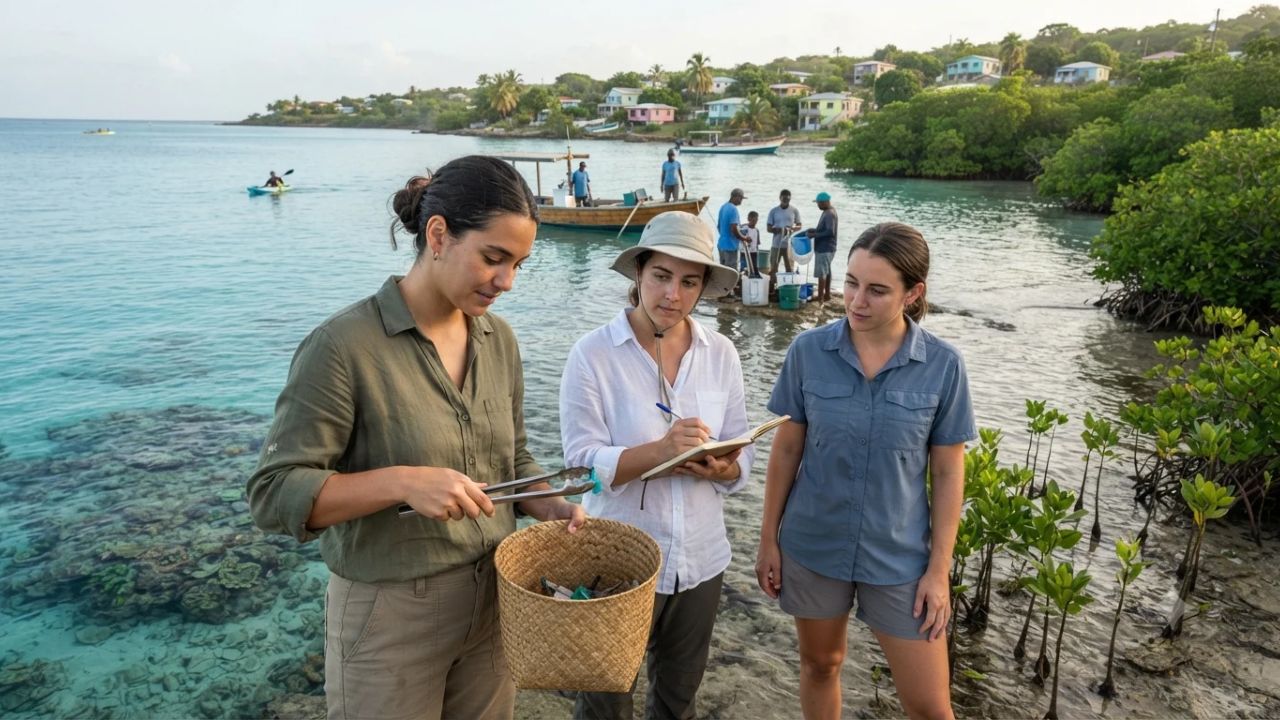
While small island developing states account for less than 1% of global landmass, their marine exclusive economic zones encompass over 30 times their terrestrial area, anchoring multi-billion-dollar coastal tourism economies. Through the launch of the Commonwealth Blue Charter Incubator Round II, 56 sovereign nations across Africa, Asia, the Caribbean, the Americas, Europe, and the Pacific are deploying targeted grants of up to £50,000 to transform pioneering marine science into frontline reef restoration, sustainable fisheries, and community-led eco-tourism models.
Accelerating Ocean Action Across 56 Commonwealth Member Nations
The expansion of the Blue Charter Incubator marks a decisive transition from high-level diplomatic pledges to tangible, on-the-water conservation projects. Operating under the framework of the Commonwealth Blue Charter and directly advancing the historic Apia Commonwealth Ocean Declaration, Round II provides seed capital for 10 to 15 high-impact initiatives. This follows the proven success of Round I, which funded eight foundational marine projects across five continents.
Delivered through a strategic multilateral partnership between the Commonwealth Secretariat, the Prince Albert II of Monaco Foundation, and CAF – Development Bank of Latin America and the Caribbean, the initiative bridges planetary science with regional economic resilience. With project submissions open until 11 December 2026 at 23:59 GMT (UTC+0), the initiative builds diplomatic momentum toward the Commonwealth Heads of Government Meeting (CHOGM 2026) scheduled for November in St John’s, Antigua and Barbuda. Under the leadership of Commonwealth Secretary-General Hon Shirley Botchwey, Foundation CEO Romain Ciarlet, and CAF Executive President Sergio Díaz-Granados, the programme focuses on five priority pillars designed to preserve the living marine assets that underpin coastal hospitality.
| Incubator Priority Pillars | Strategic Funding & Focus Area | Grant Allocation & Scope | Sustainable Tourism & Community Impact |
|---|---|---|---|
| Marine Pollution Mitigation | Plastic reduction & coastal run-off filtering | Up to £50,000 per project | Protects pristine public beaches and nearshore bathing waters |
| Ecosystem & Coral Restoration | Coral nursery farming & mangrove reforestation | 10 to 15 selected country grants | Restores diving reefs, natural breakwaters & artisanal dive sites |
| Sustainable Fisheries Management | Community-led quotas & digital tracking | Multi-regional deployment | Guarantees sustainable seafood supply for local culinary corridors |
| Blue Economy Development | High-yield, low-impact eco-excursions | 56 Commonwealth member states | Creates alternative livelihoods for coastal boat operators and guides |
| Ocean-Climate Resilience Nexus | Seagrass carbon sequestration & shoreline defense | Caribbean & Pacific SIDS priority | Safeguards vulnerable coastal heritage and low-lying island lodges |
What Makes Commonwealth Island Marine Sanctuaries Different
The marine environments across Commonwealth member countries contain some of the planet's highest concentrations of aquatic biodiversity, from the coral atolls of the Maldives and Tuvalu to the barrier reefs of Belize and the mangrove estuaries of Antigua and Barbuda. Unlike heavily commercialized mass-tourism coastlines, these island sanctuaries rely on delicate ecological balances where local livelihoods, ancestral fishing customs, and visitor experiences remain closely entwined.
In the Caribbean basin, where CAF has strengthened its 2024 collaboration with regional small island developing states, conservation models are transitioning toward community-managed marine protected areas. Rather than excluding local fishermen, projects integrate traditional maritime knowledge with scientific monitoring. In the South Pacific and Indian Ocean, indigenous-led marine reserves restrict commercial industrial trawling while welcoming small-scale, educational diving expeditions. This synergy ensures that travelers encounter intact living coral gardens, thriving sea turtle nesting beaches, and clear waters maintained by local custodians.
Visitor Insider Tips for Sustainable Island Expeditions
- Verify Certified Eco-Operators: When booking diving, snorkeling, or sailing charters in Commonwealth island destinations like Antigua, Belize, or Mauritius, choose operators certified under local marine park trust standards that contribute directly to reef monitoring funds.
- Mineral Sunscreen Discipline: Protect fragile coral ecosystems by using strictly non-nano zinc oxide or titanium dioxide sunscreens. Chemical sunscreens containing oxybenzone and octinoxate bleach coral larvae even in trace concentrations.
- Support Community-Managed Marine Reserves: Prioritize visits to locally managed marine areas where entrance fees directly support community wardens, mangrove nurseries, and local education rather than international concessionaires.
- Seasonal Wildlife Respect: Time your visits to observe marine wildlife responsibly. In the Caribbean, turtle nesting seasons peak between April and September; always book night beach walks with licensed local conservation guides who use red-filtered lighting.
- Sustainable Seafood Choices: Dine at family-owned coastal fish shacks that serve sustainably caught, non-threatened species like lionfish, mahi-mahi, or locally farmed conch, avoiding out-of-season spiny lobster or apex reef predators.
Cultural and Environmental Context
For coastal communities and small island developing states across the Commonwealth, the ocean is not merely a scenic backdrop for vacationers—it is the cultural backbone and lifeblood of their society. Rising sea surface temperatures, ocean acidification, and plastic pollution threaten not only marine species but also the cultural identities of island peoples whose folklore, navigation traditions, and culinary heritage are inseparable from the sea.
The Blue Charter Incubator directly addresses this vulnerability by funding practical, scalable solutions that protect natural breakwaters and sustain marine biodiversity. Mangrove replanting initiatives funded across member states absorb carbon up to ten times faster than terrestrial forests while shielding low-lying coastal villages from storm surges. Furthermore, by equipping local youth with diving certifications, scientific research tools, and eco-guiding credentials, these programs create sustainable economic futures that reduce reliance on extractive fishing and unregulated shoreline development.
FAQ: Visiting Commonwealth Marine Sanctuaries 2026
What is the Commonwealth Blue Charter? It is an agreement by all 56 Commonwealth countries to collaborate on ocean conservation, fair economic development, and scientific research through practical, country-led marine projects.
How does marine conservation benefit travelers visiting small island states? Active conservation protects living coral reefs, improves water visibility, sustains rich marine biodiversity, and ensures clean, natural shorelines for responsible exploration.
Where will the 2026 Commonwealth Heads of Government Meeting take place? CHOGM 2026 is scheduled to take place in St John’s, Antigua and Barbuda, in November, bringing global attention to Caribbean ocean sustainability.
How can independent travelers support the blue economy during island vacations? Choose locally owned eco-lodges, hire licensed community guides, purchase sustainable local seafood, and patronize conservation-backed marine reserves.
The true majesty of our oceans is preserved not on distant paper treaties, but in every living reef, clear bay, and empowered coastal community across the Commonwealth.
Related Travel Guides
Disclaimer
This article is for informational and educational purposes only. It does not constitute legal, financial, or professional advice. While we strive to provide accurate and up-to-date information, travel policies, regulations, and conditions change rapidly. Always verify information with official sources before making travel decisions. Nomad Lawyer makes no representations about the accuracy, reliability, completeness, or suitability of the information provided. Readers should consult qualified professionals for advice specific to their circumstances. The views expressed in this article are those of the author and do not necessarily reflect the views of Nomad Lawyer.
Preeti Gunjan
Contributor & Community Manager
A passionate traveller and community builder. Preeti helps grow the Nomad Lawyer community, fostering engagement and bringing the reader experience to life.
Learn more about our team →