
Buenos Aires Cultural Renaissance: Tango, Wine, and Gastronomy Guide 2026
Following the 30th edition of FIT at La Rural, Buenos Aires showcases closed-door dining, authentic milongas, and high-altitude Malbec tastings.

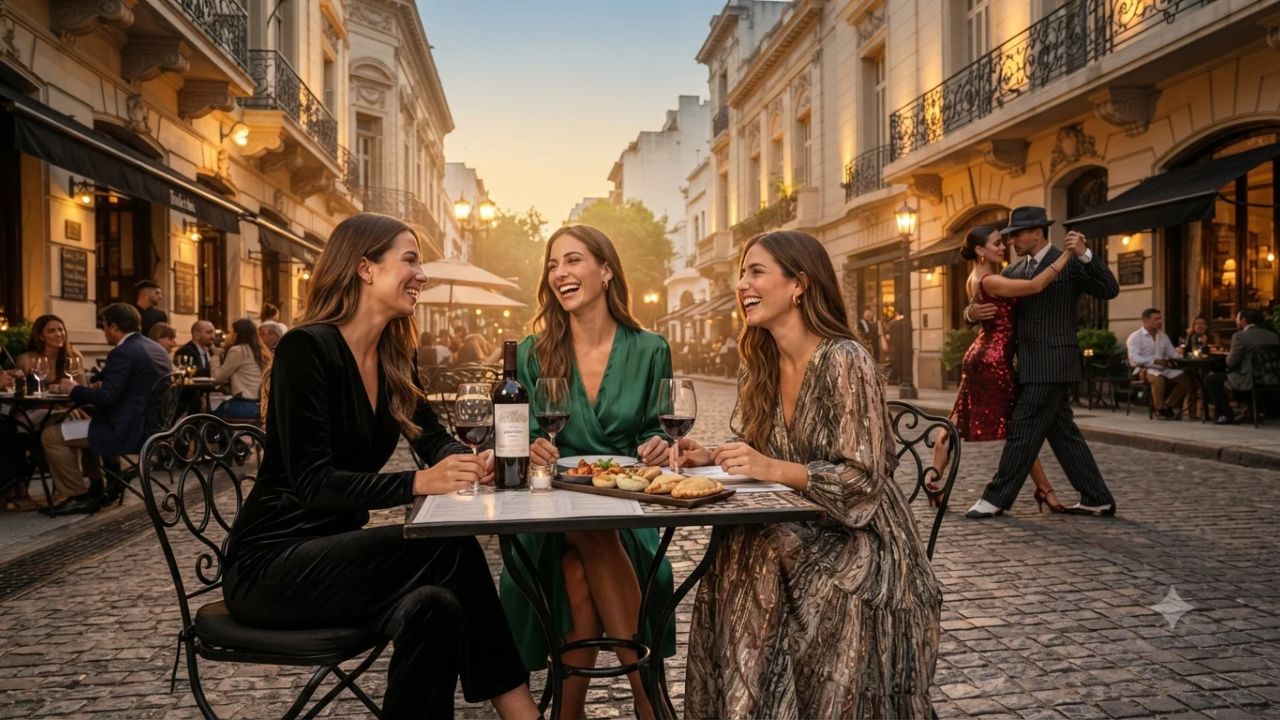
Rather than dining in commercial tourist steakhouses, local Porteños in Buenos Aires head to unmarked residential apartments for puertas cerradas (closed-door restaurants), where master chefs pair wood-fired grass-fed beef with single-vineyard Uco Valley Malbec. Following the landmark 30th edition of the Feria Internacional de Turismo de América Latina (FIT) at La Rural in Palermo, the Argentine capital has entered a vibrant gastro-cultural season. By connecting UNESCO-inscribed tango heritage and Belle Époque architecture with sports tourism initiatives and regional wine circuits, Buenos Aires reasserts its reputation as the cultural heartbeat of South America.
The Post-FIT Gastro-Cultural Season and Tourism Momentum
The conclusion of FIT 2026—which brought together thousands of international travel trade delegates, hotel operators, and airline executives from September 26 to 29—spotlighted Argentina’s strategy to diversify beyond traditional leisure tourism. A cornerstone of the fair was the International Sports Tourism Forum on September 29, aligning national tourism policy with major sporting ambitions, including the modernization of the Autódromo Oscar y Juan Gálvez for prospective international motorsport events.
This commercial momentum extends into the city's hospitality landscape. According to tourism strategies outlined by Visit Argentina (INPROTUR), international visitors are increasingly utilizing Buenos Aires as a multi-night cultural springboard before venturing to Mendoza’s high-altitude vineyards, the sub-tropical cascades of Iguazú, or the glacial wilderness of Patagonia.
In neighborhoods like Palermo Soho, Recoleta, and San Telmo, the intersection of historic Bares Notables (landmark heritage cafés) and modern sommelier-led wine bars showcases the dynamic evolution of Argentine culinary arts.
| Neighborhood / District | Primary Cultural & Culinary Asset | Target Travel Experience | Public Transit & Access |
|---|---|---|---|
| Palermo Soho & Hollywood | Puertas cerradas, cocktail bars, fashion boutiques | Modern gastronomy, natural wine, nightlife | Plaza Italia / Palermo Station (Subte Line D) |
| Recoleta | French neoclassical palaces, Recoleta Cemetery | Architecture, art museums, luxury tea salons | Las Heras Station (Subte Line H) |
| San Telmo | Cobblestone alleys, historic milongas, antique fair | Authentic tango salons, traditional bodegones | Independencia / San Juan (Subte Line C & E) |
| Puerto Madero | Restored brick docks, Puente de la Mujer | Waterfront steakhouses, luxury high-rises | 10-minute walk from Plaza de Mayo |
| La Boca | Caminito colorful conventillos & La Bombonera | Immigrant history, street tango, soccer culture | Tourist bus / authorized taxi from downtown |
What Makes Buenos Aires’ Culinary and Tango Culture Different
Buenos Aires is defined by a unique urban rhythm that blends European architectural grandeur with passionate South American spirit. Known as the "Paris of the South," avenues in Recoleta and Retiro are flanked by ornate French Beaux-Arts mansions and neoclassical facades that house embassies, luxury hotels, and the National Museum of Fine Arts.
The culinary tradition centers on the asado (Argentine barbecue). Master grillers (parrilleros) cook grass-fed cuts—such as tender ojo de bife (ribeye), bife de chorizo (sirloin), and crispy mollejas (sweetbreads)—over slow-burning Quebracho wood embers, dressed simply with sea salt and fresh chimichurri. These meats are accompanied by robust high-altitude Malbecs from Mendoza and fragrant Torrontés from the high-desert valleys of Salta.
At night, the city belongs to tango. Inscribed by UNESCO Intangible Cultural Heritage in 2009, tango in Buenos Aires is a living social dialogue rather than a stage show. In traditional neighborhood dance halls (milongas) like Salon Canning, Club Gricel, or El Beso, local dancers observe the subtle art of the cabeceo—a traditional glance and head-nod across the room to invite a partner to dance—while live acoustic orchestras play melancholic bandoneón compositions until dawn.
Visitor Insider Tips
To experience Buenos Aires with the effortless confidence of a local resident, keep these practical navigation, dining, and etiquette tips in mind:
- Parrilla Dining Timings: Locals rarely eat dinner before 9:30 PM. Arriving at celebrated neighborhood parrillas (such as Don Julio, La Cabrera, or Parrilla Peña) around 8:00 PM without a reservation often allows you to secure walk-up bar seating before the late-night local rush begins.
- Navigating the Milonga Code: When visiting authentic neighborhood milongas, dress elegantly (collared shirts for men, smart evening attire for women). Avoid walking directly across the dance floor while a tanda (set of four tango songs) is in progress; always walk along the perimeter behind seated tables.
- Payment and Card Exchange Rates: Most international credit cards (Visa and Mastercard) in Argentina automatically apply the preferential MEP exchange rate (Mercado Electrónico de Pagos), offering competitive rates close to unofficial cash rates without the need to carry large physical wads of banknotes.
- Subte Subway Transit: Purchase a reusable SUBE transit card at any underground station or local kiosco. The Subte network provides rapid transit across the city for a fraction of the cost of street taxis.
- Historic Coffee Break at Bares Notables: Spend an afternoon at Café Tortoni (founded in 1858) on Avenida de Mayo or Café La Biela in Recoleta. Order traditional café con leche served with three warm, sugar-glazed medialunas (Argentine croissants).
Cultural and Environmental Context
The municipal administration of Buenos Aires actively preserves its architectural and intangible heritage through specialized heritage zoning. The official Visit Buenos Aires authority safeguards over 70 designated Bares Notables, protecting historic wood-paneled cafes and tango venues from commercial demolition.
In urban mobility, the city has expanded its EcoBici public bike-sharing network and dedicated protected cycle lanes spanning over 300 kilometers across Palermo, Belgrano, and the city center. This initiative reduces vehicular emissions while encouraging low-carbon exploration of expansive public parks like the Bosques de Palermo and the Costanera Sur Ecological Reserve along the Río de la Plata.
Furthermore, Argentina's growing sports tourism strategy emphasizes sustainable event infrastructure. Municipal plans for the modernized Autódromo complex integrate solar power generation, strict acoustic buffers, and public transit connectivity to minimize environmental impact on surrounding southern neighborhoods.
FAQ: Visiting Buenos Aires 2026
What is the best time of year to visit Buenos Aires?
October through December (spring) and March through May (autumn) offer sunny, mild weather averaging 20°C to 25°C (68°F to 77°F), blooming purple jacaranda trees, and active outdoor cafe seasons.
How do I travel between the two main airports in Buenos Aires?
Ministro Pistarini International Airport (EZE) handles long-haul international flights, while Aeroparque Jorge Newbery (AEP) handles domestic and regional routes. Transfer between them via pre-booked authorized remise taxis or shuttle buses in 45 to 60 minutes.
Is Buenos Aires safe for solo travelers?
Yes, Buenos Aires is one of South America's most visited and generally safe capitals. Exercise normal urban caution: avoid looking at mobile phones while walking near curbs, and use radio taxis or registered rideshare apps at night.
Do I need to speak Spanish to enjoy a trip to Buenos Aires?
While basic Spanish phrases and greetings are appreciated by locals, English is widely spoken across major hotels, premier restaurants, wine bars, and cultural venues.
From the passionate melodies of midnight milongas to the lingering warmth of aged Malbec in historic salons, Buenos Aires captivates travelers with a soul that refuses to sleep.
Related Travel Guides
Disclaimer
This article is for informational and educational purposes only. It does not constitute legal, financial, or professional advice. While we strive to provide accurate and up-to-date information, travel policies, regulations, and conditions change rapidly. Always verify information with official sources before making travel decisions. Nomad Lawyer makes no representations about the accuracy, reliability, completeness, or suitability of the information provided. Readers should consult qualified professionals for advice specific to their circumstances. The views expressed in this article are those of the author and do not necessarily reflect the views of Nomad Lawyer.
Kunal K Choudhary
Co-Founder & Contributor
A passionate traveller and tech enthusiast. Kunal contributes to the vision and growth of Nomad Lawyer, bringing fresh perspectives and driving the community forward.
Learn more about our team →