
UK Tourists Warned Over Safety Risks and New Local Regulations for September Trips to Barcelona 2026
British holidaymakers visiting Barcelona in September 2026 face updated warnings regarding opportunistic street crime, evolving tourism laws, and local tensions as the city manages late-summer crowds.

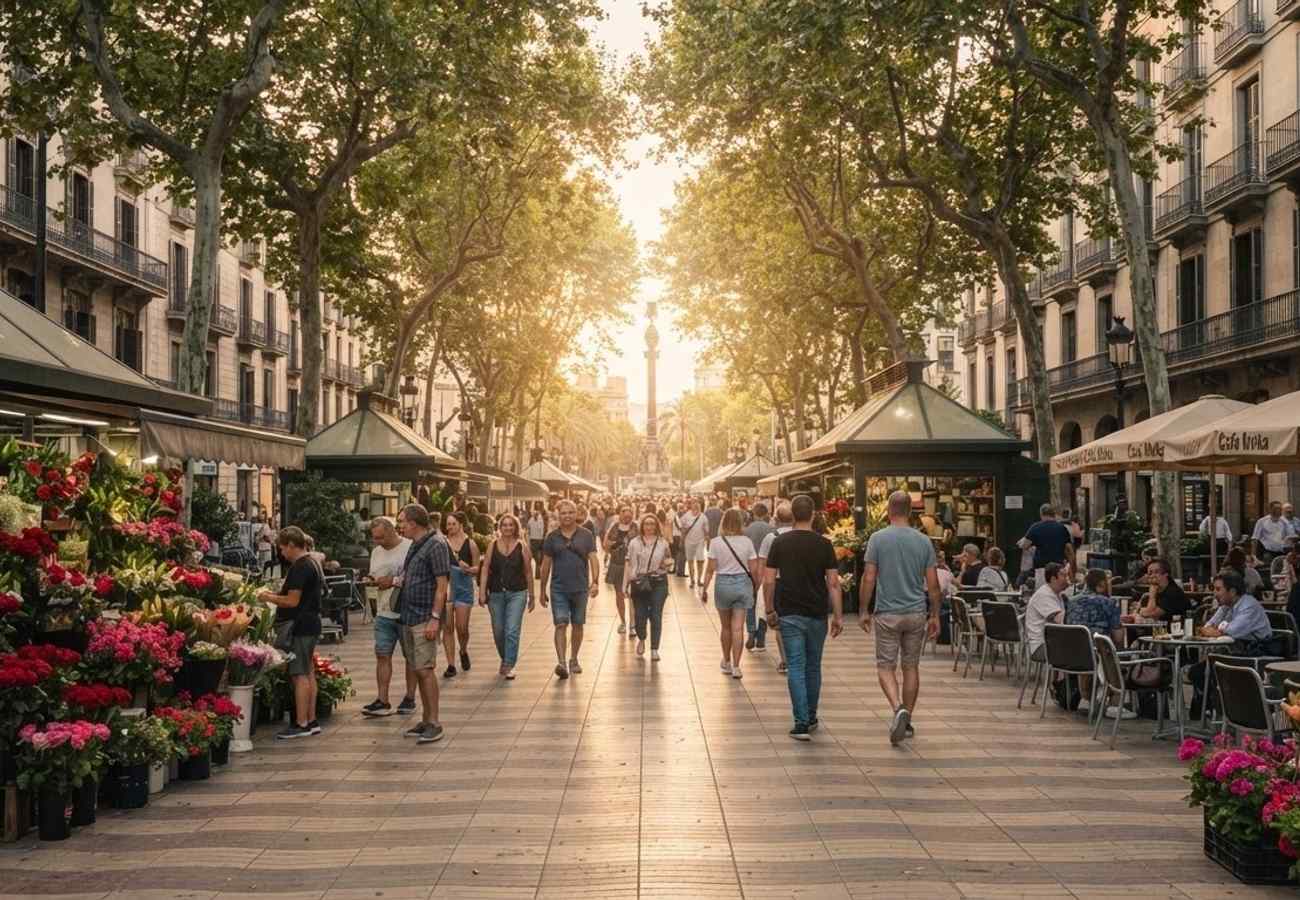
Image generated by AI
British tourists traveling to Barcelona this September are being urged to exercise heightened vigilance due to a combination of opportunistic street crime, shifting municipal regulations, and rising local tensions over mass tourism.
The Catalan capital remains a premier destination for UK city breaks during the shoulder season, as flight costs typically decrease and the oppressive heat of July and August begins to subside. However, the continued high volume of visitors in September creates a fertile environment for scams and puts significant pressure on the city's infrastructure and residential districts.
Persistent Street Crime Risks in Tourist Hubs
Opportunistic theft remains the primary concern for international visitors in Barcelona. Industry reports and official advisories indicate that pickpocketing is most prevalent in high-traffic zones, specifically Las Ramblas, the Gothic Quarter, and Barceloneta beach. Metro stations serving these major attractions are also identified as high-risk areas where crowds provide cover for thieves.
Security experts warn that criminals frequently employ distraction techniques to divert a traveler's attention before stealing wallets or smartphones. Common scenarios include bag snatching from café terraces and the rapid theft of belongings left on the sand at the beach. Items slung over the backs of chairs or left unattended for even a few seconds are frequently targeted.
From a legal and financial standpoint, this creates a significant risk for the traveler. Many insurance providers may deny claims if it is determined that valuables were left unattended or not stored in a secure manner. To mitigate these risks, visitors are advised to:
- Carry only essential cash and identification.
- Secure passports and backup credit cards in hotel safes.
- Avoid placing phones or wallets on tables in public eating areas.
- Remain alert at taxi ranks and nightlife venues during late-night hours.
Tourism Pressures and Evolving Local Regulations
The relationship between Barcelona's residents and the tourism industry has become increasingly strained. Local media and government reports highlight a growing movement against "overtourism," which has led to the implementation of stricter controls on how visitors interact with the city.
City officials have introduced or proposed rigorous measures to protect housing availability for locals, including tighter restrictions on short-term rental licenses and new regulations governing tourist accommodation in specific districts. UK travelers are encouraged to verify that their chosen accommodation is legally registered to avoid booking complications or unexpected cancellations.
Furthermore, residents in historic neighborhoods have organized protests to voice concerns over overcrowding and the degradation of public spaces. While these demonstrations are generally peaceful and publicized in advance, they can cause sudden disruptions to traffic and pedestrian access. Travelers are advised to avoid obstructing these marches and to follow all directions provided by local authorities.
Logistical Guidance for Transport and Nightlife
Navigating Barcelona's infrastructure requires a proactive approach to avoid scams and fines. Official guidance suggests that all transport tickets be purchased exclusively through staffed counters or official automated machines. Visitors should be particularly wary of unofficial "private transfer" offers at the airport or major train stations, which often involve inflated pricing or unlicensed operators.
The Metro and bus networks remain the most reliable transit options, though they experience extreme congestion during peak commuting hours and following major events. For those staying in apartment-style rentals, it is vital to confirm check-in procedures and emergency contact details in advance, as many smaller properties do not operate 24-hour reception desks.
Nightlife regulations in Barcelona are strictly enforced. Public alcohol consumption in many street areas is prohibited and can result in immediate fines. Additionally, visitors should be aware that high-end clubs and bars often enforce strict dress codes and age verification, particularly during the busy September weekends.
Health and Environmental Factors in Late Summer
While September is technically the start of the shoulder season, climate data suggests that temperatures can remain high, particularly in the first half of the month. The combination of intense Mediterranean sun and high humidity can lead to dehydration and heat exhaustion for those spending long hours exploring outdoor sites like Montjuïc or Park Güell.
Travelers are advised to monitor local weather forecasts and maintain hydration. Because the city's geography involves many cobbled streets and hilly districts, appropriate footwear is essential to prevent injury during walking tours.
For those with mobility challenges, the city's high passenger volumes in September can make navigation difficult. It is recommended to check lift availability at metro stations and schedule visits to major landmarks during off-peak hours to avoid the heaviest crowds.
Why This Matters: The Traveler's Perspective
For the modern traveler, these warnings represent a shift in the "tourist experience" in Barcelona. The city is no longer just a destination to be consumed, but a living urban environment reacting to the pressures of global travel.
From a logistical standpoint, the crackdown on unregistered rentals means that "bargain" Airbnbs may actually be illegal, potentially leaving a traveler stranded if a property is shut down by authorities. From a safety perspective, the persistence of street crime means that a single moment of distraction can result in the loss of a passport and all funds, turning a luxury holiday into a bureaucratic nightmare at the nearest consulate.
Ultimately, visiting Barcelona in September requires a balance of enthusiasm and caution. By respecting local noise ordinances in residential areas and staying vigilant in crowded hubs, UK tourists can enjoy the city's cultural wealth without becoming targets for crime or catalysts for local resentment.
Stay informed and vigilant to ensure your Mediterranean getaway remains stress-free.
Related Travel Guides
Disclaimer
This article is for informational and educational purposes only. It does not constitute legal, financial, or professional advice. While we strive to provide accurate and up-to-date information, travel policies, regulations, and conditions change rapidly. Always verify information with official sources before making travel decisions. Nomad Lawyer makes no representations about the accuracy, reliability, completeness, or suitability of the information provided. Readers should consult qualified professionals for advice specific to their circumstances. The views expressed in this article are those of the author and do not necessarily reflect the views of Nomad Lawyer.
Preeti Gunjan
Contributor & Community Manager
A passionate traveller and community builder. Preeti helps grow the Nomad Lawyer community, fostering engagement and bringing the reader experience to life.
Learn more about our team →