
Brazil Launches Seven Coffee Tourism Routes Connecting Historic Plantations and Specialty Farms

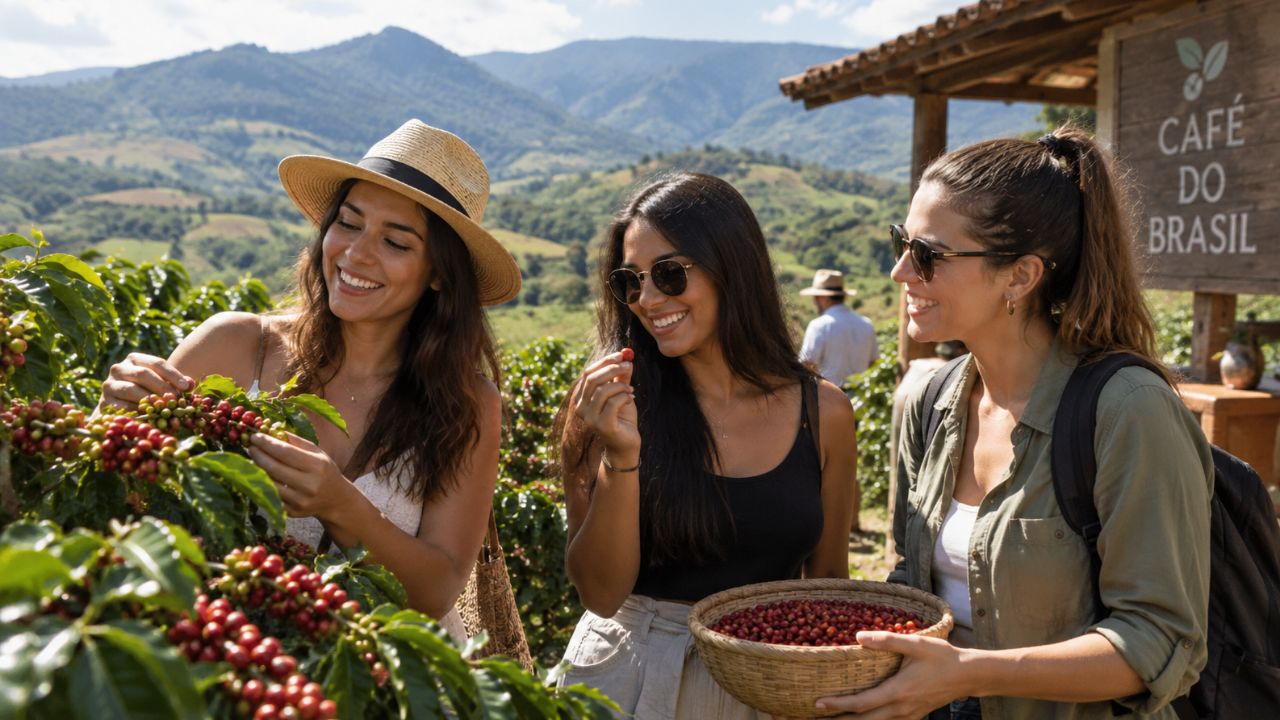
Promoted by Visit Brasil, seven newly designated coffee tourism routes across Minas Gerais, São Paulo, Paraná, and Rio de Janeiro are transforming global agritourism from bean to cup. For international travelers seeking authentic rural immersion, these curated circuits combine historic fazendas, high-altitude specialty cupping sessions, and direct community support for multigenerational growers.
Brazil has reigned as the planet’s largest coffee producer for more than 150 years, yet international visitors historically encountered this heritage solely as a morning espresso in Rio or São Paulo. Through the official Visit Brasil campaign, tourism authorities and regional agricultural bodies are inviting travelers deep into the agricultural interior. By connecting coffee cultivation, regional gastronomy, and historic heritage, the "field-to-cup" initiative gives slow-travel advocates a fresh reason to explore rural South America.
The Seven Signature Coffee Routes Across Brazil
The curated network spans seven distinct terroir regions, each characterized by unique microclimates, cultivation techniques, and cultural identities:
- Coffee Route Cerrado Mineiro (Minas Gerais): Situated within the high-plateau savanna of Minas Gerais, this region earned Brazil’s first Designation of Origin for coffee. Visitors can tour highly organized, tech-forward family estates producing distinctively sweet, full-bodied Arabica microlots.
- Coffee Route South Minas (Minas Gerais): Recognized for undulating mountain terrain and ideal volcanic soils, South Minas represents the powerhouse of specialty coffee production. Tours showcase terrace farming, washed processing methods, and traditional farmhouse stays.
- Coffee Route Mantiqueira Region: Straddling the forested peaks of the Serra da Mantiqueira, this cool-climate route pairs award-winning, high-altitude coffees with mountain hiking, artisanal cheese dairies, and rustic alpine lodges.
- Coffee Route Paraná: Nestled in southern Brazil, Paraná’s trails illuminate the historical expansion of the agricultural frontier. The circuit links heritage plantations, historic railways, and agricultural museums documenting immigrant farming settlements.
- Coffee Route São Paulo: Combining grand 19th-century colonial fazendas with cutting-edge roasteries, this route traces how the "green gold" trade fueled the state’s rail corridors, financial institutions, and urban development.
- Coffee Route Espírito Santo: Renowned for pioneering high-quality conilon (robusta) and shade-grown coffees, this coastal mountain route introduces travelers to smallholder cooperatives, lush valleys, and traditional rural festivals.
- Coffee Route Rio de Janeiro: Centered in the historic Vale do Café (Coffee Valley), this circuit invites travelers into stately neo-classical plantation manors surrounded by Atlantic forest reserves, offering a peaceful countryside retreat just two hours outside Rio's urban core.
Community Value and Regenerative Agriculture
For the visitor, the real impact lies in directly supporting regenerative family agriculture. Global demand for specialty microlots has revitalized small-scale estates that prioritize soil health, water recycling, and bird-friendly tree canopies over monoculture farming.
By purchasing bags directly from farm gates and dining at estate-run farm-to-table bistros, tourism spending circulates directly through rural municipalities. Organizations like the Brazil Specialty Coffee Association (BSCA) and local agricultural syndicates work with Visit Brasil to ensure that farm tours preserve rural folklore, protect historic architecture, and provide dignified year-round employment for harvest communities.
Local Visitor Insider Tips: Seasons, Tasting Etiquette, and Farm Flavors
To craft an unforgettable journey along Brazil’s coffee circuits, consider these expert recommendations:
- Time for the Dry Harvest (Colheita): Plan your itinerary between May and September, the dry winter harvest window. During these months, you can witness picking crews hand-harvesting ripe cherries, walk past vast brick drying patios (terreiros), and smell the sweet, fruity aroma of fermenting beans.
- Cupping Protocol Etiquette: When participating in professional cupping sessions at specialty farms, remember the sensory sequence: inspect the dry grounds, evaluate the wet crust, break the crust with a cupping spoon to assess the aromatics, and aspirate the brew sharply to coat your palate evenly.
- Minas Gerais Culinary Pairings: Never leave a Minas Gerais coffee farm without pairing an afternoon pour-over with warm, oven-fresh pão de queijo (cassava-flour cheese bread), artisanal Queijo Canastra raw-milk cheese, and artisanal guava paste (goiabada).
- Transit and Route Planning: Major gateway airports in São Paulo (GRU), Rio de Janeiro (GIG), and Belo Horizonte (CNF) provide straightforward access to rental cars or regional private drivers. Dedicate at least two to three days per coffee region to avoid rushed transit over winding country roads.
Tourism Outlook: Redefining Brazil’s Countryside Travel
Brazil’s seven coffee routes prove that agricultural heritage and high-end experiential travel can unite harmoniously. As travelers seek deeper authenticity and lower-impact outdoor journeys, the country’s historic fazendas and mist-shrouded mountain groves offer a compelling new chapter in South American exploration—one slow, fragrant cup at a time.
Related Travel Guides
Disclaimer
This article is for informational and educational purposes only. It does not constitute legal, financial, or professional advice. While we strive to provide accurate and up-to-date information, travel policies, regulations, and conditions change rapidly. Always verify information with official sources before making travel decisions. Nomad Lawyer makes no representations about the accuracy, reliability, completeness, or suitability of the information provided. Readers should consult qualified professionals for advice specific to their circumstances. The views expressed in this article are those of the author and do not necessarily reflect the views of Nomad Lawyer.
Raushan Kumar
Founder & Lead Developer
Full-stack developer with 11+ years of experience and a passionate traveller. Raushan built Nomad Lawyer from the ground up with a vision to create the best travel and law experience on the web.
Learn more about our team →