
Brazil Launches EUR 170 Million Brasília Metro Train Tender to Expand Urban Rail Capacity in 2026
The Companhia do Metropolitano do Distrito Federal has opened a BRL 1 billion tender for 15 new electric trains to modernize Brasília's transit network.

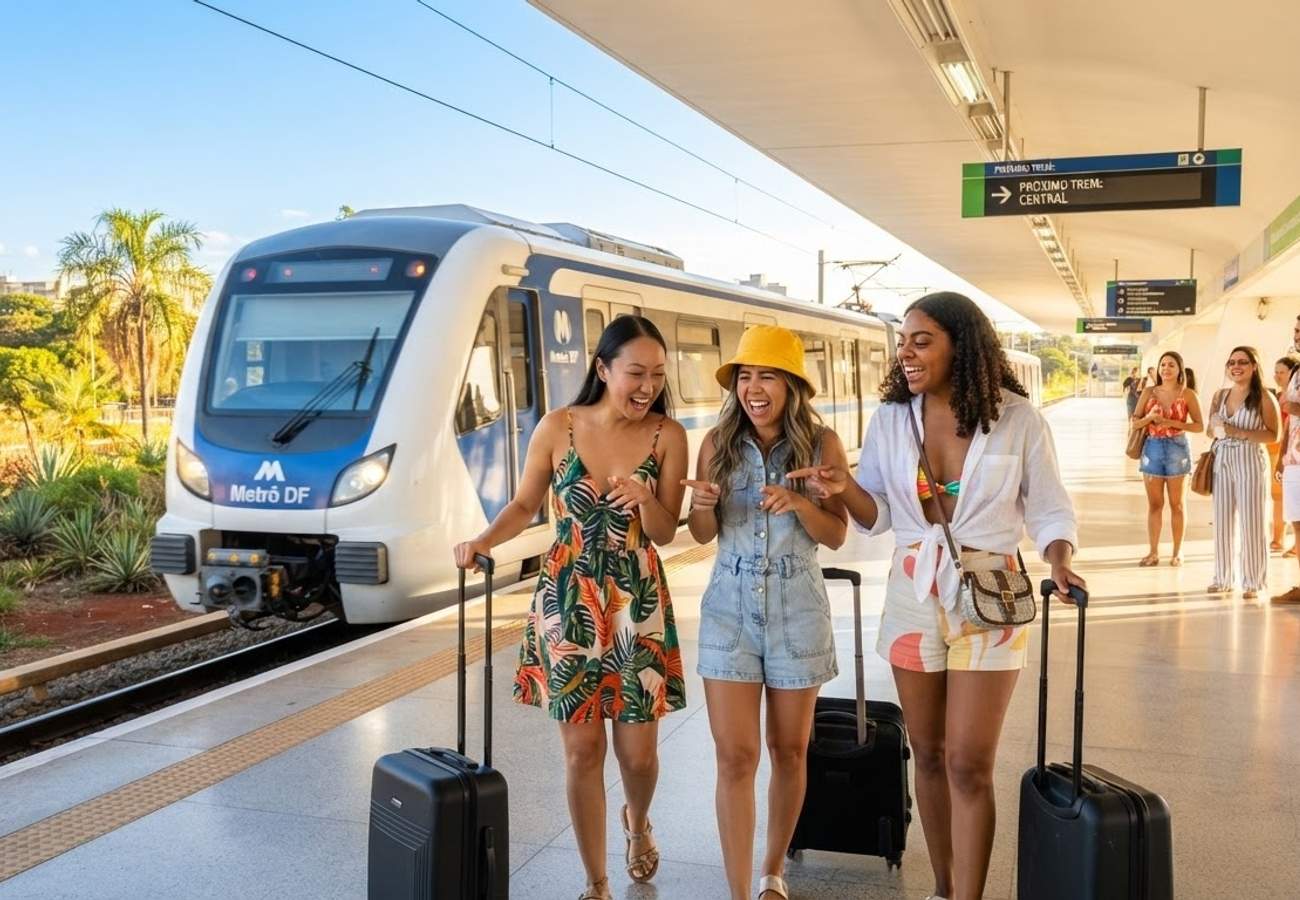
Image generated by AI
[Brasília, July 9, 2026] — The Brazilian government is accelerating the modernization of its national capital's transit infrastructure through a massive procurement initiative. The Companhia do Metropolitano do Distrito Federal (Metrô-DF) has officially launched an international tender valued at approximately BRL 1 billion (EUR 170 million) to acquire 15 new electric multiple unit (EMU) trains.
This strategic investment aims to increase passenger capacity and operational efficiency as the city expands its rail footprint. The move comes amid a broader national push toward sustainable urban mobility and a tightening competition between global rolling stock manufacturers vying for dominance in the Latin American market.
Procurement Details for Brasília Metro Electric Fleet
The current tender is designed as a comprehensive engineering project. Rather than a simple purchase, the contract covers the entire lifecycle of the rolling stock, including the initial design, manufacturing, and systems integration. The winning bidder will also be responsible for testing, commissioning, certification, and the final operational delivery of the fleet.
Each of the 15 trainsets will follow a specific A+B+B+A four-car formation, ensuring a standardized level of capacity and technical compatibility across the existing network. Industry observers note that the deadline for interested global manufacturers to submit their proposals is September 15, 2026.
Brasília Metro Train Procurement Overview
| Project Component | Details |
|---|---|
| Metro Operator | Companhia do Metropolitano do Distrito Federal (Metrô-DF) |
| Contract Value | Approximately BRL 1 billion (EUR 170 million) |
| Number of Trains | 15 EMU trainsets |
| Train Formation | A+B+B+A (Four Cars) |
| Technology | Electric Multiple Unit (EMU) |
| Bid Submission Deadline | September 15, 2026 |
| Purpose | Fleet expansion and network modernization |
Strategic Expansion of the Federal District Rail Network
The purchase of new rolling stock is not an isolated event but a prerequisite for several major infrastructure extensions currently underway or in the planning stages. Metrô-DF is currently executing the extension of Line 1, while a separate tender is being prepared for a further extension toward Ceilândia. This specific addition is expected to introduce nearly six kilometers of new track and several new stations, providing critical access to one of the fastest-growing residential sectors of the Federal District.
Furthermore, the government is conducting advanced technical feasibility studies for the proposed Line 2. This ambitious corridor is estimated to cost BRL 20.4 billion (EUR 3.4 billion) and would span approximately 60 kilometers. If realized, Line 2 would fundamentally transform the urban geography of Brasília, drastically reducing reliance on road transport and cutting commute times for thousands of residents.
Brasília Metro Expansion Projects
| Project | Current Status | Estimated Scope |
|---|---|---|
| Line 1 Extension | Under Construction | Network expansion |
| Ceilândia Extension | Tender Preparation | Around 6 km |
| Future Line 2 | Feasibility Studies | Approximately 60 km |
| New Train Fleet | Tender Open | 15 New EMUs |
Global Manufacturing Rivalry in the Brazilian Market
The Brasília tender serves as a primary battleground for international railway giants. For decades, European manufacturers and domestic Brazilian firms held a virtual monopoly on rolling stock. However, Chinese firms have aggressively entered the market, leveraging competitive pricing and flexible financing packages to secure major contracts.
The recent experience in Salvador provides a glimpse into this dynamic. CRRC Changchun successfully won a contract for 10 metro trains by offering a financial proposal significantly lower than its competitors. Despite a brief period of disqualification due to documentation issues regarding Brazil’s national development bank accreditation, the award was eventually confirmed on appeal. This event underscores the willingness of Chinese firms to navigate complex local regulatory environments to gain a foothold in South America.
Major Manufacturers Competing in Brazil
| Manufacturer | Country | Market Position |
|---|---|---|
| CRRC | China | Expanding rapidly in Brazil |
| Alstom | France | Long-established supplier |
| CAF | Spain | Major international manufacturer |
| Marcopolo | Brazil | Domestic transport manufacturer |
Transparency Concerns and Industry Advocacy
The procurement process has not been without friction. The Brazilian Railway Industry Association (Abifer) has publicly urged authorities to shift the Brasília Metro bidding process from an electronic-only format to an in-person session.
Abifer representatives argue that the technical complexity of railway equipment and the scale of public funds involved necessitate maximum transparency. The association suggests that in-person bids would reduce ambiguities and ensure a more equitable playing field for all qualified suppliers. These concerns are often tied to the disparity in government subsidies and production costs that international competitors, particularly those from Asia, may benefit from.
Geopolitical and Economic Ties with China
The competition in the rail sector is a microcosm of the wider economic relationship between Brazil and China. China remains Brazil's largest trading partner, and its influence extends far beyond the export of commodities. Chinese investment is currently flowing into Brazilian telecommunications, renewable energy, logistics, and electric vehicle manufacturing.
By integrating Chinese technology into its urban rail networks, Brazil is strengthening a strategic partnership that supports its broader international trade goals. However, the government must balance these economic benefits with the need to maintain a diverse supplier base to avoid over-reliance on a single nation for critical infrastructure.
Why This Matters: The Shift in Latin American Infrastructure
The Brasília Metro expansion is a bellwether for the future of urban transit in Latin America. The shift from traditional European procurement to a more contested environment involving Chinese firms indicates a transition toward "value-engineering," where cost-efficiency and financing terms are becoming as important as legacy brand prestige.
For the aviation and travel sector, this investment in rail reduces the "last-mile" friction for international travelers arriving in the capital. As Brasília improves its internal connectivity, the overall efficiency of the city as a diplomatic and business hub increases. Moreover, the move toward EMUs signals a commitment to decarbonization, aligning Brazil's urban transport with global ESG (Environmental, Social, and Governance) standards.
The successful delivery of the 15 new trains and the potential realization of Line 2 will determine if Brasília can successfully pivot from a car-centric city to a transit-oriented metropolis.
The outcome of the September 15 deadline will likely set the pricing and technology benchmarks for rail tenders across the continent for the next decade.
Related Travel Guides
Disclaimer
This article is for informational and educational purposes only. It does not constitute legal, financial, or professional advice. While we strive to provide accurate and up-to-date information, travel policies, regulations, and conditions change rapidly. Always verify information with official sources before making travel decisions. Nomad Lawyer makes no representations about the accuracy, reliability, completeness, or suitability of the information provided. Readers should consult qualified professionals for advice specific to their circumstances. The views expressed in this article are those of the author and do not necessarily reflect the views of Nomad Lawyer.
Kunal K Choudhary
Co-Founder & Contributor
A passionate traveller and tech enthusiast. Kunal contributes to the vision and growth of Nomad Lawyer, bringing fresh perspectives and driving the community forward.
Learn more about our team →