
Mexico City Light Rail Inaugurates Upgraded El Ajolote Line for 2026 World Cup
Mexico City's upgraded light rail line El Ajolote doubles daily capacity to 250,000 passengers with 17 new CRRC vehicles ahead of 2026 World Cup matches at Azteca Stadium.

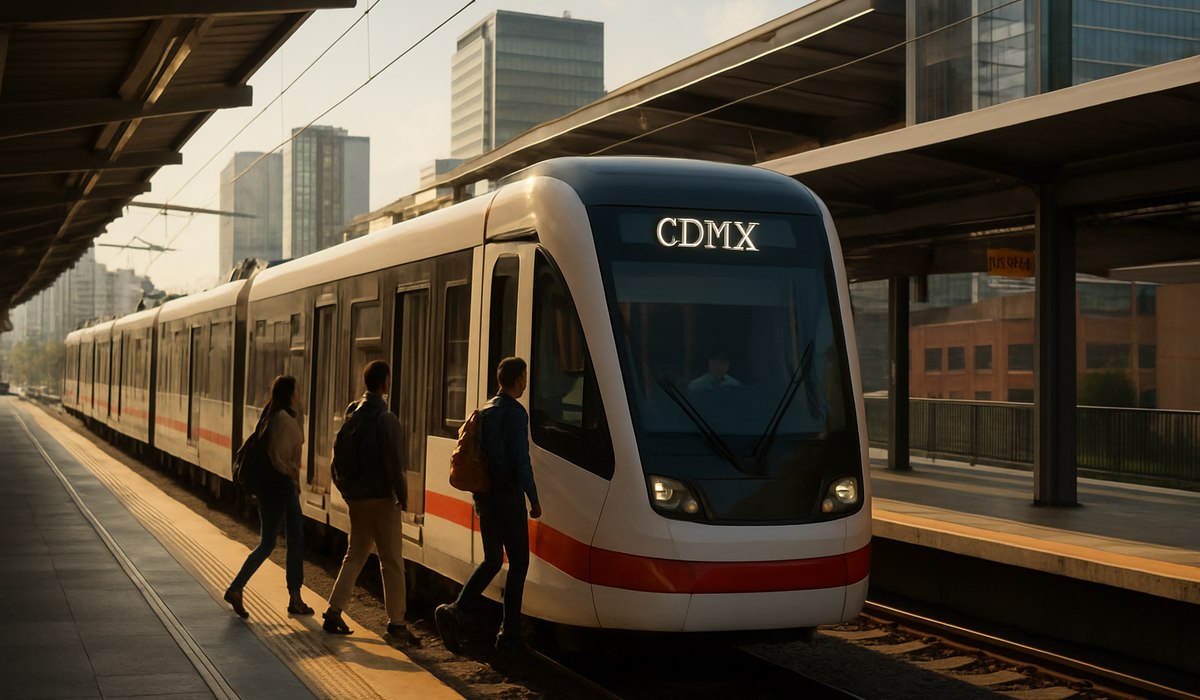
Image generated by AI
Mexico City's Historic Light Rail Upgrade Ready for World Cup Spectators
Mexico City officially unveiled its upgraded light rail corridor, now branded El Ajolote, on May 11, 2026. The 12.8-kilometer line reconnects the southern metro terminus at Tasqueña with Xochimilco, serving travelers heading to Azteca Stadium for World Cup 2026 matches. Infrastructure Secretary Jesús Esteva Medina and Mayor Clara Brugada presided over the inauguration of this transformative project that will serve millions of visitors and commuters during the tournament. The rebranding honors the axolotl amphibian, a cultural icon and endangered species endemic to Mexico City.
The Mexico City light rail modernization represents the largest capacity expansion on this critical commuter corridor in decades. A Pesos 2.39 billion investment reshapes regional transportation infrastructure, positioning the capital to handle unprecedented event traffic while improving daily service for 250,000 daily passengers.
Capacity Doubles on Mexico City's Key Commuter Corridor
The upgraded Mexico City light rail system now transports 250,000 passengers daily, up from 130,000 before renovation. This doubling of capacity directly addresses congestion on one of the city's most heavily trafficked commuter routes. The expansion reduces average wait times significantly, improving passenger experience across all 18 stations between Tasqueña and Xochimilco.
Enhanced frequency allows trains to depart more regularly throughout peak and off-peak hours. The modernized signaling system enables tighter scheduling without compromising safety. Passengers can expect more reliable connections to the metro network and reduced overcrowding during rush periods. Station redesigns incorporate climate control features and improved ventilation, making journeys more comfortable in Mexico City's warm climate. These infrastructure improvements establish the Mexico City light rail as a competitive alternative to vehicle travel.
CRRC Delivers 17 New Four-Car Light Rail Vehicles
China's CRRC supplied 17 state-of-the-art four-car light rail vehicles to Mexico City's transport authority, costing Pesos 1.4 billion. Each train features modern safety systems, ergonomic seating, and wheelchair accessibility. The high-floor design matches existing station platforms, eliminating costly structural modifications.
CRRC vehicles incorporate regenerative braking technology that captures energy during deceleration, reducing overall system power consumption. Air conditioning throughout passenger compartments ensures comfort during Mexico City's warm months. The trains accommodate approximately 170 seated passengers per car, with standing capacity significantly higher. Exterior designs feature contemporary styling while incorporating Mexico's cultural heritage symbolism. These vehicles represent cutting-edge light rail technology deployed in Latin America, improving operational efficiency and passenger satisfaction on the Mexico City light rail network.
Infrastructure Modernization and Station Accessibility Upgrades
The Pesos 1 billion infrastructure investment included comprehensive station reconstruction and accessibility improvements across the Mexico City light rail system. Spanish engineering firm Comsa led reconstruction efforts at the Tasqueña terminal, upgrading catenary systems and installing new platforms. All 18 stations received refurbishment focusing on passenger safety, accessibility, and wayfinding.
A Pesos 800 million automated train control and signaling system modernizes operations, replacing legacy equipment. This technology enables real-time service monitoring and rapid response to disruptions. Accessibility upgrades include wheelchair ramps, elevators, and tactile guidance systems throughout stations. Improved lighting and surveillance cameras enhance security for evening travelers. Climate-controlled waiting areas provide relief during summer heat. Updated station design reduces crowding and improves passenger flow during peak travel hours.
World Cup 2026 Ready: Serving the Azteca Stadium
The upgraded Mexico City light rail provides critical connections to Azteca Stadium, which will host World Cup 2026 matches including the opening game. Spectators traveling from downtown Mexico City, airport hotels, and surrounding suburbs can reach the stadium efficiently without personal vehicles. The El Ajolote line reduces game-day traffic congestion and parking demands across the metropolitan area.
Enhanced capacity ensures the system absorbs anticipated passenger surges during tournament matches. Extended operating hours may be implemented for evening and weekend matches. The Xochimilco terminus connects to traditional tourist attractions, allowing visitors to combine World Cup attendance with cultural sightseeing. Modern trains and upgraded stations project a positive international image for Mexico's infrastructure capabilities. Transport officials estimate the light rail will serve tens of thousands of spectators per match day, significantly reducing reliance on taxis, ride-share services, and private vehicles.
| Metric | Before Upgrade | After Upgrade | Change |
|---|---|---|---|
| Daily Capacity | 130,000 passengers | 250,000 passengers | +92% |
| Fleet Size | Older vehicles | 17 new CRRC trains | Complete modernization |
| Route Length | 12.8 km | 12.8 km | No change |
| Station Count | 18 | 18 | No change |
| Wait Times | Higher | Reduced | Improved frequency |
| Technology | Legacy signaling | Modern ATC system | Advanced automation |
| Project Cost | — | Pesos 2.39 billion | $138 million USD |
What This Means for Travelers
The upgraded Mexico City light rail transforms mobility options for both residents and international visitors during 2026:
-
Expect reduced travel times between Tasqueña metro terminus and Xochimilco, with modernized trains departing more frequently throughout operating hours.
-
Plan stadium visits efficiently using the expanded El Ajolote line, which provides direct access to Azteca Stadium without navigating congested highways or expensive taxi fares.
-
Enjoy improved comfort standards aboard climate-controlled CRRC vehicles with reliable air conditioning and contemporary station facilities.
-
Access cultural attractions easily by combining World Cup travel with connections to traditional Xochimilco boat tours and historic sites.
-
Utilize integrated ticketing with Mexico City's broader metro network, simplifying payment and transfers between transportation modes.
-
Arrive on schedule thanks to the automated train control system, which prioritizes reliability and punctual operations.
Frequently Asked Questions
How often do El Ajolote trains depart from Tasqueña?
Upgraded signaling systems enable departures every 3-5 minutes during peak hours and every 8-10 minutes during off-peak periods. The exact schedule may vary; check the official Mexico City Metro website for current timetables before your journey.
What accessibility features does the Mexico City light rail provide?
All 18 stations feature wheelchair ramps, elevators, and tactile guidance for visually impaired passengers. CRRC vehicles include dedicated wheelchair spaces, accessible restrooms, and clear visual signage. Station staff can provide additional assistance upon request.
Can I use metro cards or passes on the El Ajolote line?
Yes, Mexico City's integrated transit system accepts metro cards, rechargeable passes, and magnetic cards at all El Ajolote stations. Visitor passes covering unlimited metro and light rail travel are available at major stations and airports.
Will trains run on extended schedules during World Cup matches?
Operating hours may be extended for evening and weekend matches. Confirm current schedules through the official metro authority channels, as World Cup 2026 service adjustments will be announced closer to the tournament.
How to Book the Best Fare
Purchase your Mexico City light rail tickets directly at station kiosks or through the official Mexico City Metro mobile application. Magnetic cards loaded with stored value offer the lowest per-trip rates, typically Pesos 5-8 depending on transfer zone distance. Daily passes provide unlimited rides and deliver savings for multi-leg journeys. International visitors should purchase tourist transit passes at the airport, valid across metro, light rail, and bus networks.
For trip planning,
Disclaimer
This article is for informational and educational purposes only. It does not constitute legal, financial, or professional advice. While we strive to provide accurate and up-to-date information, travel policies, regulations, and conditions change rapidly. Always verify information with official sources before making travel decisions. Nomad Lawyer makes no representations about the accuracy, reliability, completeness, or suitability of the information provided. Readers should consult qualified professionals for advice specific to their circumstances. The views expressed in this article are those of the author and do not necessarily reflect the views of Nomad Lawyer.
Preeti Gunjan
Contributor & Community Manager
A passionate traveller and community builder. Preeti helps grow the Nomad Lawyer community, fostering engagement and bringing the reader experience to life.
Learn more about our team →