
Brazil Aligns with Argentina, Chile and More American Countries Moving Beyond Conventional Sightseeings and Appeal Tourists to Explore Adventure, Nature and Heritage
Brazil Aligns with Argentina, Chile and More American Countries Moving Beyond Conventional Sightseeings and Appeal Tourists to Explore Adventure, Nature and Her

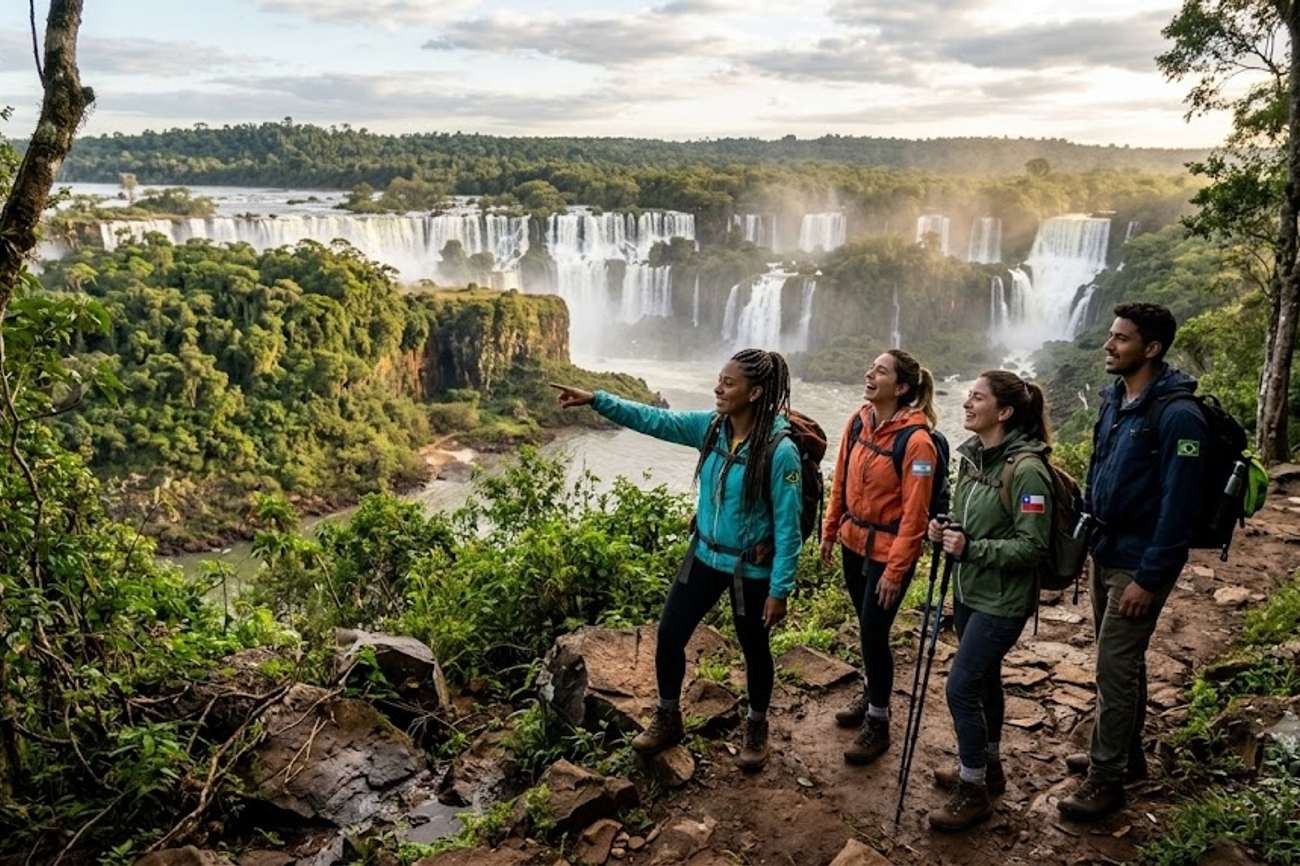
Image generated by AI
The shift toward immersive adventure travel in the Americas has seen a marked transition from passive sightseeing to active exploration, with Brazil now integrating into a continental network of long-distance trails. While traditional city-based tourism in South America historically dominated market share, the rise of "slow travel" is evidenced by the development of routes like Brazil's Trilha dos Pioneiros, which spans 400 kilometres across three states. This movement mirrors a broader regional pivot toward high-value, low-impact tourism that prioritizes ecological preservation over mass-market volume.
The Immersive Pivot in Numbers: Brazil’s Paraná River Corridor
The Trilha dos Pioneiros represents a strategic shift in how Brazil packages its interior for the international market. Spanning approximately 400 kilometres (249 miles), this route is not a simple hiking path but a multimodal corridor crossing São Paulo, Mato Grosso do Sul, and Paraná. The data indicates a move toward "modular" adventure; while a full expedition requires nearly 30 days, the route is segmented into eight distinct sections to accommodate varying traveler capacities.
The infrastructure of the trail is designed to maximize regional economic dispersion. It intersects 18 different municipalities and traverses seven protected natural areas, including Morro do Diabo State Park, Várzeas do Rio Ivinhema State Park, and Ilha Grande National Park. By linking these zones, Brazil is attempting to move tourists away from the saturated hubs of Rio de Janeiro and São Paulo and into the Atlantic Forest and wetlands.
From a cultural data perspective, the trail functions as a living museum. It integrates the heritage of the Guaraní, Kaiowá, and Kaingang peoples, alongside the remnants of Jesuit missions and early expeditions. This alignment with "meaningful travel" is a direct response to global trends identified by the World Tourism Organization (UNWTO), where travelers are increasingly seeking authentic interactions with indigenous communities and heritage sites over curated tourist traps.
Comparative Regional Benchmarks: The Americas' Trail Network
Brazil’s adoption of the long-distance adventure model places it in direct competition and alignment with established corridors in the Americas. The "trail economy" is no longer a niche market but a central pillar of national tourism strategies from Canada to Argentina.
The following table compares the nature and cultural focus of Brazil's new initiative against established regional benchmarks:
| Country | Primary Route | Key Nature Metric | Primary Cultural Focus |
|---|---|---|---|
| Brazil | Trilha dos Pioneiros | 400km / Paraná River / Atlantic Forest | Guaraní, Kaiowá, Kaingang & Jesuit Missions |
| Argentina | Huella Andina | Patagonian Lakes & Mountains | Mapuche Heritage |
| Chile | Ruta de los Parques | Glaciers, Fjords & Volcanoes | Frontier History & Indigenous Cultures |
| Peru | Qhapaq Ñan | Andes & Cloud Forests | Inca Civilization |
| Canada | Great Trail | Coast-to-Coast / Forests | Fur-trade & Indigenous History |
| USA | Great American Rail-Trail | Cross-country / Rural Landscapes | Industrial & Settlement History |
When analyzed against the World Travel & Tourism Council (WTTC) frameworks, this shift indicates a transition from "sightseeing" (low engagement, high volume) to "experiencing" (high engagement, lower volume per site). Brazil is effectively diversifying its tourism product to reduce seasonal dependence on coastal beaches and increase the average length of stay per visitor.
Practical Traveler Advisory and Strategic Insights
The transition to multimodal, long-distance trails changes the logistics of visiting South America. For the modern nomad or adventure traveler, the data suggests three primary shifts in booking and planning:
- Shift in Duration and Pacing: The 30-day total duration of the Trilha dos Pioneiros suggests that "slow travel" is the new benchmark. Travelers should no longer plan 3-day city hops but should instead allocate 10-14 days for specific "sections" of a trail to avoid burnout and maximize cultural immersion.
- Equipment Diversification: Because the Paraná River route requires kayaking, boating, cycling, and hiking, the packing list is now multimodal. Travelers must coordinate gear rentals across different municipalities or invest in versatile, lightweight equipment.
- Booking Windows for Rural Hubs: As tourism shifts toward 18 smaller municipalities rather than one major city, boutique lodging and community-led experiences will have much lower inventory than traditional hotels. Booking 12-16 weeks in advance for rural guesthouses is now essential, as these properties lack the scalable capacity of urban hotels.
Forward Projection: The Future of the American Trail Economy
Based on current trajectories, we are seeing the emergence of a "Continental Corridor" model. Brazil’s integration into the wider Caminhos do Peabiru (Peabiru Trails) network suggests that national borders will become less relevant than ecological and cultural corridors.
We can project that over the next 3-5 years, these routes will see increased digitalization. According to IATA trends regarding regional connectivity, we expect to see a rise in "secondary city" flight paths that allow travelers to fly into a specific section of a trail (e.g., landing in a regional airport in Paraná) rather than transiting through a capital city.
Furthermore, the integration of indigenous-led tourism—such as the Guaraní and Kaiowá experiences on the Pioneers Trail—will likely move from an "added value" to a mandatory certification for tour operators. Sustainable travel is moving toward a model where the local community owns the narrative and the revenue stream, rather than external agencies.
FAQ: Adventure Tourism Trends 2025
Will prices increase as these rural trails become popular? Likely yes, but the inflation will be concentrated in "premium" eco-lodges. Community-led experiences and basic rural tourism typically maintain more stable pricing, as they are tied to local cost-of-living rather than international luxury benchmarks.
Is the Trilha dos Pioneiros suitable for solo travelers? While the route is segmented into eight sections for accessibility, the multimodal nature (kayaking/cycling) makes guided groups safer. Solo travelers should stick to the most developed sections or hire local guides within the 18 municipalities.
Which countries are leading the "slow travel" movement in the Americas? Chile and Canada currently hold the highest infrastructure benchmarks for long-distance trails. However, Brazil and Colombia are showing the fastest growth in "cultural-nature" hybrid routes, blending wilderness with indigenous heritage.
How does this trend affect traditional hotel bookings? There is a measurable shift away from 5-star urban hotels toward "experiential" stays. Travelers are increasingly opting for rural tourism and boutique guesthouses that provide direct access to trailheads and local traditions.
The era of the checklist tourist is ending; the era of the corridor explorer has begun.
Tags: Brazil-Ecotourism-2025, Trilha-dos-Pioneiros-Data, South-America-Slow-Travel, Multimodal-Adventure-Metrics, Paraná-River-Tourism-Growth
Related Travel Guides
Disclaimer
This article is for informational and educational purposes only. It does not constitute legal, financial, or professional advice. While we strive to provide accurate and up-to-date information, travel policies, regulations, and conditions change rapidly. Always verify information with official sources before making travel decisions. Nomad Lawyer makes no representations about the accuracy, reliability, completeness, or suitability of the information provided. Readers should consult qualified professionals for advice specific to their circumstances. The views expressed in this article are those of the author and do not necessarily reflect the views of Nomad Lawyer.
Raushan Kumar
Founder & Lead Developer
Full-stack developer with 11+ years of experience and a passionate traveller. Raushan built Nomad Lawyer from the ground up with a vision to create the best travel and law experience on the web.
Learn more about our team →