
Belize's Cayo District Drives Eco-Luxury Growth and Maya Heritage Travel Expansion
Belize's Cayo District sees a surge in eco-luxury jungle lodge bookings as travelers seek Maya heritage sites, cave tubing, and farm-to-table dining.
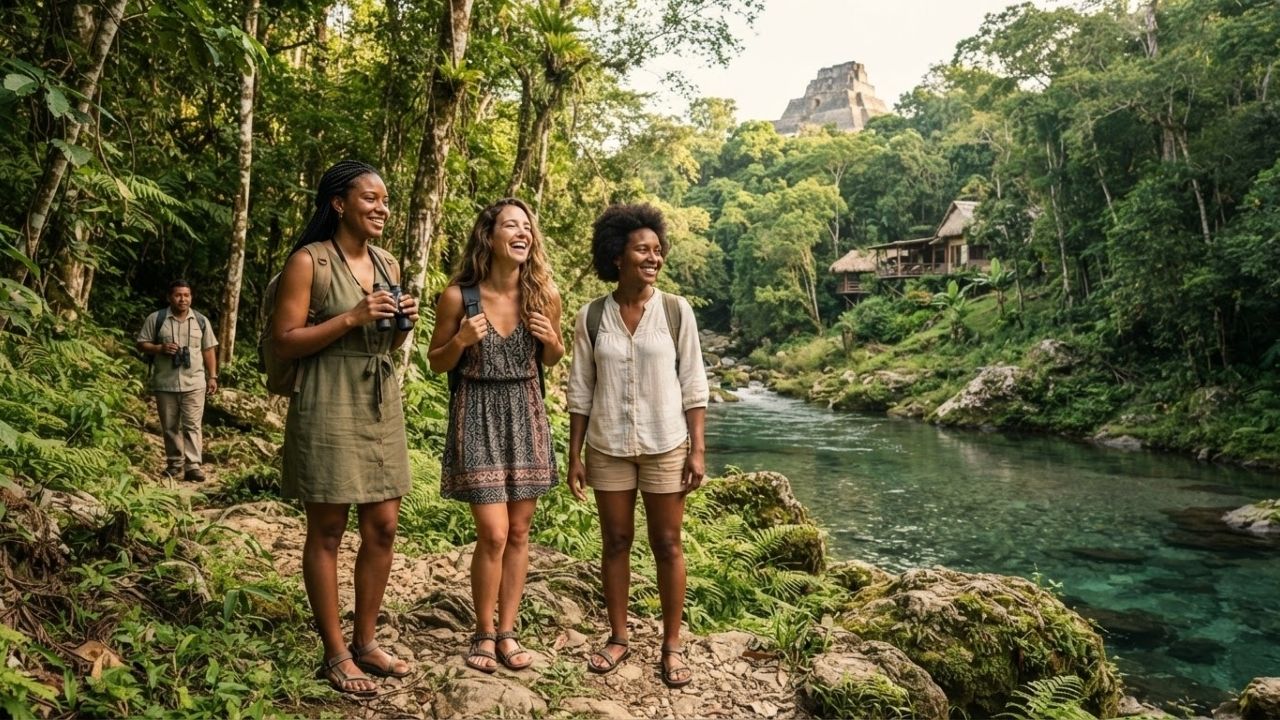
Image generated by AI
Inland Belize is experiencing a significant shift in luxury travel as bookings for jungle lodges in the Cayo District surge ahead of the autumn and winter travel seasons.
According to data monitored by the Belize Tourism Board (BTB), the district's Mountain Pine Ridge and Macal River Valley areas are capturing strong advance demand. Travelers are increasingly prioritizing multi-day inland itineraries that merge high-end accommodations with immersive natural excursions, farm-to-table culinary programming, and guided explorations of significant Maya archaeological sites. This trend represents a growing interest in experiences that extend beyond traditional coastal and reef vacations.
Mountain Pine Ridge and Macal River Valley Lead Eco-Luxury Expansion
The Mountain Pine Ridge Forest Reserve provides a unique environmental setting for Cayo’s eco-luxury lodging sector. By leveraging the region’s pine forests, waterfalls, and granite formations, jungle operators are offering premium accommodations that serve as a single base for regional exploration. This lodging model enables travelers to engage in active nature-based excursions without the need to change properties during their stay.
Adjacent to the reserve, the Macal River Valley is expanding its adventure travel offerings. The river system supports guided water activities, including canoeing and rafting, while serving as a gateway to deep cave systems. Private expeditions to the Actun Tunichil Muknal (ATM) cave system are a primary driver of this demand, allowing visitors to explore subterranean chambers containing ancient Maya ceremonial artifacts.
Connecting Maya Heritage at Caracol and Xunantunich
Archaeological tourism is a primary driver of the travel economy in Cayo. The Belize Institute of Archaeology (NICH) oversees the conservation of key regional ruins, including Caracol and Xunantunich, which showcase the engineering of the ancient Maya civilization.
Caracol, situated deep within the Chiquibul Forest Reserve, stands as the largest Maya site in Belize. The archaeological park features massive temples and residential complexes that once supported a city larger than modern-day Belize City. Xunantunich, located near the Mopan River, offers a different architectural perspective, featuring the massive El Castillo temple which rises 130 feet above the forest floor.
Agricultural Integration and Farm-to-Table Culinary Design
The expansion of Cayo's eco-luxury lodging sector is also influencing the regional agricultural economy. Lodges are increasingly integrating farm-to-table dining programs into their guest packages. By sourcing fresh ingredients directly from nearby cooperative farms, such as those in the local Maya communities of San Antonio and Valley of Peace, lodges support the agricultural community while introducing travelers to traditional ingredients like organic cacao, local beans, and wild herbs.
This integration ensures that travel expenditures remain within the local economy, directly supporting native farmers and producers. It also enhances the authenticity of the culinary experience, framing regional cuisine as an active component of cultural learning rather than a standard hospitality service.
Cayo District Visitor Insider Tips and Maya Site Etiquette
Anglers and cultural enthusiasts planning an inland Belize itinerary should incorporate these practical guidelines:
- Travel During the Autumn Shoulder Season: Schedule your trip between September and November. Lodge availability is higher, rates are more competitive, and the rainforest is lush and active with native wildlife.
- Observe Cave Camera Restrictions: Cameras, phones, and recording devices are strictly banned inside the Actun Tunichil Muknal (ATM) cave system to protect the delicate ancient skeletons and pottery from accidental drops.
- Pack Clean Hiking Socks: Visitors to the ATM cave must remove their shoes when walking through the dry chambers housing historical artifacts. Pack a clean, dry pair of socks specifically for this portion of the trek.
- Visit Cahal Pech to Avoid Crowds: For a quieter alternative to Xunantunich, visit Cahal Pech, a hilltop Maya residential site located just outside San Ignacio. It offers shaded forest trails and fewer tourist crowds.
- Hire Licensed Tour Guides: Ensure your archaeological tours are led by guides certified by the Belize Tour Guides Association (BTGA) to guarantee historical accuracy and support local professionals.
The Future of Belize's Inland Travel Economy
The outlook for Cayo's inland tourism remains strong, supported by booking trends extending into the winter holidays. As travelers search for experiential trips, Cayo's combination of archaeological heritage, cave exploration, and eco-certified lodging positions the district as a key driver of Belize’s national travel strategy. The long-term preservation of these natural and historical assets relies on the continued coordination between the Belize Tour Guides Association, lodge operators, and national archaeological conservation bodies.
FAQ: Belize Cayo District and Maya Heritage Travel 2026
Where is the best base for eco-luxury travel in Belize?
The Cayo District, specifically the Mountain Pine Ridge and Macal River Valley regions, serves as the primary base for jungle lodges, offering direct access to major rainforest trails and rivers.
What is the significance of the Actun Tunichil Muknal cave?
The ATM cave was a sacred ceremonial site for the ancient Maya. Today, it houses preserved skeletal remains, ceramic vessels, and stone artifacts that are accessible only via guided tours.
Are the Maya ruins of Caracol and Xunantunich close to each other?
Both are in the Cayo District but require separate travel times. Xunantunich is located near San Ignacio and is easily accessible, while Caracol is located deeper within the Chiquibul Forest Reserve.
How do farm-to-table programs support local Belizean communities?
Lodges source fresh ingredients directly from local agricultural cooperatives, keeping tourism revenue within local villages and helping sustain native farming families.
By booking stays with certified eco-lodges and respecting delicate archaeological sites, visitors actively contribute to the preservation of Belize's natural and Maya cultural heritage.
Related Travel Guides
Disclaimer
This article is for informational and educational purposes only. It does not constitute legal, financial, or professional advice. While we strive to provide accurate and up-to-date information, travel policies, regulations, and conditions change rapidly. Always verify information with official sources before making travel decisions. Nomad Lawyer makes no representations about the accuracy, reliability, completeness, or suitability of the information provided. Readers should consult qualified professionals for advice specific to their circumstances. The views expressed in this article are those of the author and do not necessarily reflect the views of Nomad Lawyer.