
Lake District Launches Free Bus Travel for Children During August Peak

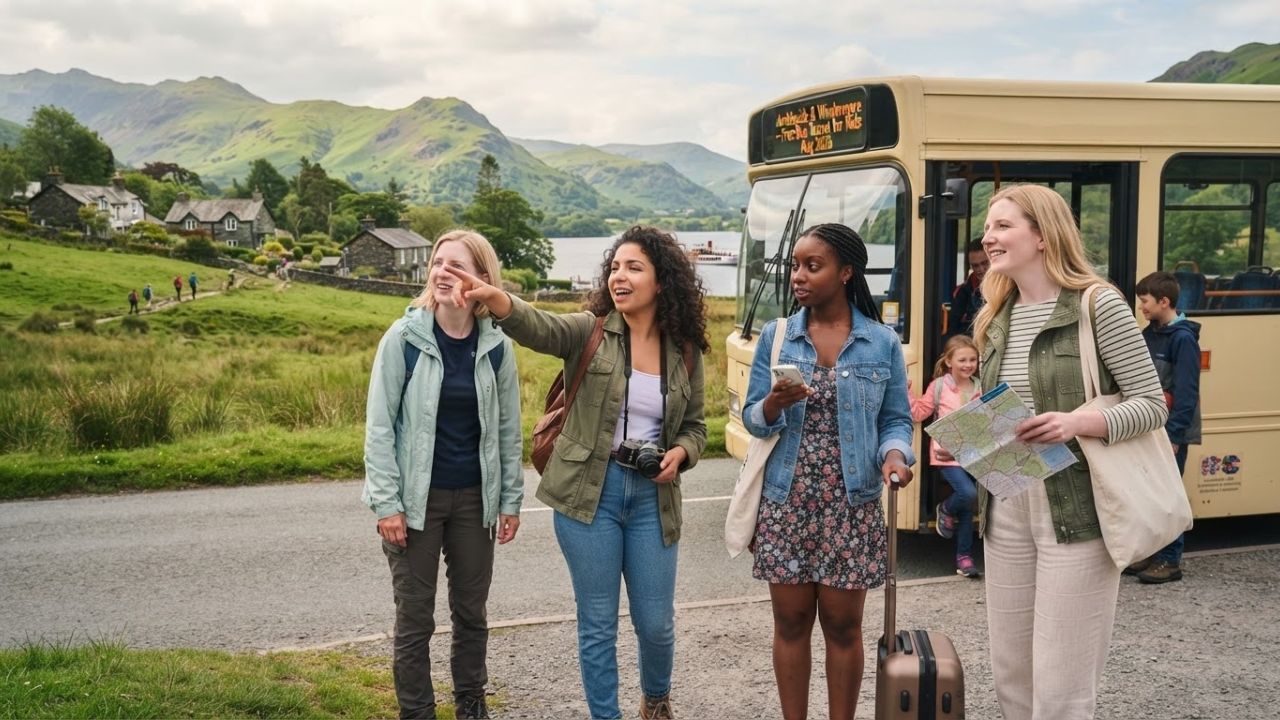
Image generated by AI
During August 2026, children aged five to 15 travel free on passenger bus routes within the Lake District in Cumbria, providing families with a budget-friendly way to explore the national park's villages, lakes, and hiking trails. The temporary summer fare concession operates alongside England's national £3 single-fare cap for adults — currently confirmed until March 2027 — and is supported by a temporary drop in the Value Added Tax (VAT) rate from 20% to 5% on qualifying family attractions, activities, and meals.
While the children's offer ends on 31 August 2026 and the 5% VAT rate expires on 1 September, the scheme aims to reduce the financial barriers to domestic tourism. In 2024, England recorded 906 million domestic day trips and 90 million overnight journeys, contributing to a combined domestic tourism expenditure of approximately £76 billion. With overnight trip volumes remaining 10% below 2023 and the share of UK adults planning a domestic overnight trip dropping from 77% in July 2025 to 74% in July 2026, the initiative targets families making selective travel decisions during the peak summer holiday season.
The Local Trend: Calibrating Rural Tourism and Car-Free Accessibility
The primary challenge facing the Lake District is its heavy reliance on private vehicles, with national park statistics indicating that approximately 86% of visitors travel to the region by car, van, motorbike, or motorhome. For a national park with a permanent population of only 40,000 but an annual visitation of approximately 19 million, this high vehicle volume creates significant pressure on rural roads, mountain passes, and village parking areas.
The summer bus fare offer is designed to shift visitor transit habits toward public transport, reducing environmental pressure on the national park while making the region accessible for car-free travellers:
- Encouraging Public Transit Use: The temporary concession provides a direct incentive for families to leave their cars at accommodation hubs and use local bus networks to reach trailheads and lakeside villages.
- Stabilising Rural Networks: The policy aligns with a broader government transport program directing more than £1 billion annually toward improved bus services from 2025–26 to 2028–29, alongside £19.6 billion in capital funding guaranteed for local transport through 2029 or 2031.
- Integrating Regional Transport: By linking rail stations, passenger boat piers, and local bus stops, the scheme allows families to plan multi-modal journeys across the county.
The success of these regional routes depends on close cooperation between the transport authority and local operators, who work to coordinate schedules during peak periods. By providing real-time scheduling information on digital signs at major stops, the network reduces travel anxiety for first-time bus users, making public transit a reliable option for families with children.
While the free fares do not apply to long-distance coaches, school buses, or private heritage transport, they cover the primary Stagecoach services connecting the park's central hubs and rural valleys.
Cultural & Environmental Value: Protecting England's Largest National Park
For the visitor, the real benefit of the free bus scheme is the opportunity to explore the Lake District's cultural heritage and natural features responsibly. The region, managed under conservation frameworks by the Lake District National Park Authority and Cumbria Tourism, has set a target to achieve net-zero carbon emissions by 2037.
Transitioning visitors from private cars to electric and low-emission buses is a key component of this environmental strategy:
- Protecting Sensitive Valley Ecosystems: Reducing traffic in narrow glacial valleys like Borrowdale, Great Langdale, and Wasdale protects local flora, reduces noise pollution, and maintains the peaceful atmosphere of the national park.
- Supporting the Rural Economy: Distributing visitor traffic beyond congested hubs like Bowness-on-Windermere and Ambleside brings customers to independent shops, traditional tea rooms, and heritage attractions in quieter villages like Elterwater and Grange-over-Sands.
- Preserving Cultural Connections: The bus routes link travellers directly to historic sites associated with the region's literary heritage, including William Wordsworth's Dove Cottage in Grasmere and Beatrix Potter's Hill Top in Near Sawrey, without the need for car park bookings.
Additionally, local hotels and tourism organizations are promoting car-free itineraries as part of their marketing campaigns, highlighting the health and environmental benefits of walking and using public transport. These efforts help distribute visitor spending more evenly across the region, supporting rural communities and preserving the cultural heritage of the area.
Traditional Gastronomy: Culinary Classics of the Lake District
Exploring the Lake District by bus provides convenient access to traditional Cumbrian dishes and local specialty food producers:
- Grasmere Gingerbread: A unique, spicy-sweet cross between a biscuit and a cake, baked to a secret recipe created by Sarah Nelson in 1854 and sold from her historic cottage shop in Grasmere.
- Traditional Cumberland Sausage: A coiled, seasoned pork sausage flavored with black pepper, sage, and nutmeg, served with creamy mashed potatoes and rich onion gravy.
- Kendal Mint Cake: A high-energy, peppermint-flavored sugar cake carried by climbers and hikers, famous for accompanying Sir Edmund Hillary on the first successful Everest expedition in 1953.
- Sticky Toffee Pudding (Cartmel): A rich, moist sponge cake made with finely chopped dates, covered in a warm toffee sauce and served with custard or vanilla ice cream.
- Cumbrian Tatie Pot: A hearty mutton stew slow-cooked with black pudding, potatoes, and root vegetables, topped with sliced potatoes and baked until crispy.
Visitor Insider Tips: Navigating the Lake District Bus Routes
To maximize the benefits of the free summer bus scheme and ensure a smooth journey through Cumbria, follow these guidelines:
- Confirm Participating Services Before Travel: Free child tickets are issued directly by bus drivers on eligible local passenger routes. Long-distance coach services, tourist charter boats, and heritage steam railways (such as the Lakeside & Haverthwaite Railway) are excluded from the offer.
- Utilize Route 517 for Coniston and Langdale: Route 517 connects Ambleside, Elterwater, Little Langdale, and Coniston during the summer season, with local funding supporting eight weekend trips along this scenic corridor.
- Use Route 534 for Southern Lake District Access: Route 534 serves Grange-over-Sands, Lakeland Leisure Park, Holker Hall, Haverthwaite, Bowness-on-Windermere, and Windermere, linking major accommodation sites and railway connections.
- Combine Buses with Ullswater Steamers via UB1 and UB2: The UB1 and UB2 services connect Ullswater accommodation with Aira Force waterfall, Pooley Bridge, Howtown, and Lowther Castle, coordinating with passenger boat piers.
- Check Timetables for Rural Valleys: Rural bus frequencies are significantly lower than urban schedules, with some routes operating only a few times daily. Always verify the time of the last return bus to avoid being stranded.
- Download the Stagecoach Bus App: The mobile app provides real-time bus tracking, route planning, and updates on service delays, helping you plan connections smoothly.
Outlook: Long-Term Transit Shift and Network Recovery
The temporary August children's fare offer represents a practical test of fare concessions as a tool for passenger recovery and environmental management. Official data shows that England recorded 3.7 billion local bus passenger journeys in the year ending March 2025 — a 1% annual increase but still only 90% of the pre-pandemic level. In non-metropolitan areas, journeys rose by 3% to 1.1 billion, while concessionary travel represented 28% of all local bus journeys, totaling 624 million passenger trips.
By removing the cost barrier for families during the peak holiday month, Cumbria Tourism and transport planners aim to build long-term confidence in public transit. As travellers adjust to car-free itineraries, the data collected during August 2026 will help shape future transport policies, service frequencies, and infrastructure investments across the UK's national parks, ensuring that regional connectivity remains sustainable, inclusive, and accessible for future generations.
The integration of local bus networks with regional rail systems will also facilitate travel to other major destinations in Cumbria, supporting the long-term growth of the local visitor economy. By promoting public transport as a key component of sustainable travel, the region aims to build a modern, inclusive tourism sector that balances economic development with environmental conservation.
Related Travel Guides
Florida, Indiana, and Pennsylvania State Parks Offer America's Best Budget Escapes
Utica New York Emerges as Premier Budget Long-Stay Destination
London Heathrow Ranks Among World's Most Expensive for Airport Taxi Travel
Disclaimer
This article is for informational and educational purposes only. It does not constitute legal, financial, or professional advice. While we strive to provide accurate and up-to-date information, travel policies, regulations, and conditions change rapidly. Always verify information with official sources before making travel decisions. Nomad Lawyer makes no representations about the accuracy, reliability, completeness, or suitability of the information provided. Readers should consult qualified professionals for advice specific to their circumstances. The views expressed in this article are those of the author and do not necessarily reflect the views of Nomad Lawyer.
Raushan Kumar
Founder & Lead Developer
Full-stack developer with 11+ years of experience and a passionate traveller. Raushan built Nomad Lawyer from the ground up with a vision to create the best travel and law experience on the web.
Learn more about our team →