
Belém Amazon River Travel: Círio de Nazaré and Culinary Guide 2026
Belém blends UNESCO-inscribed Círio de Nazaré festivities with Amazonian river journeys, indigenous gastronomy, and the 468-km Amazônia Atlântica Trail.

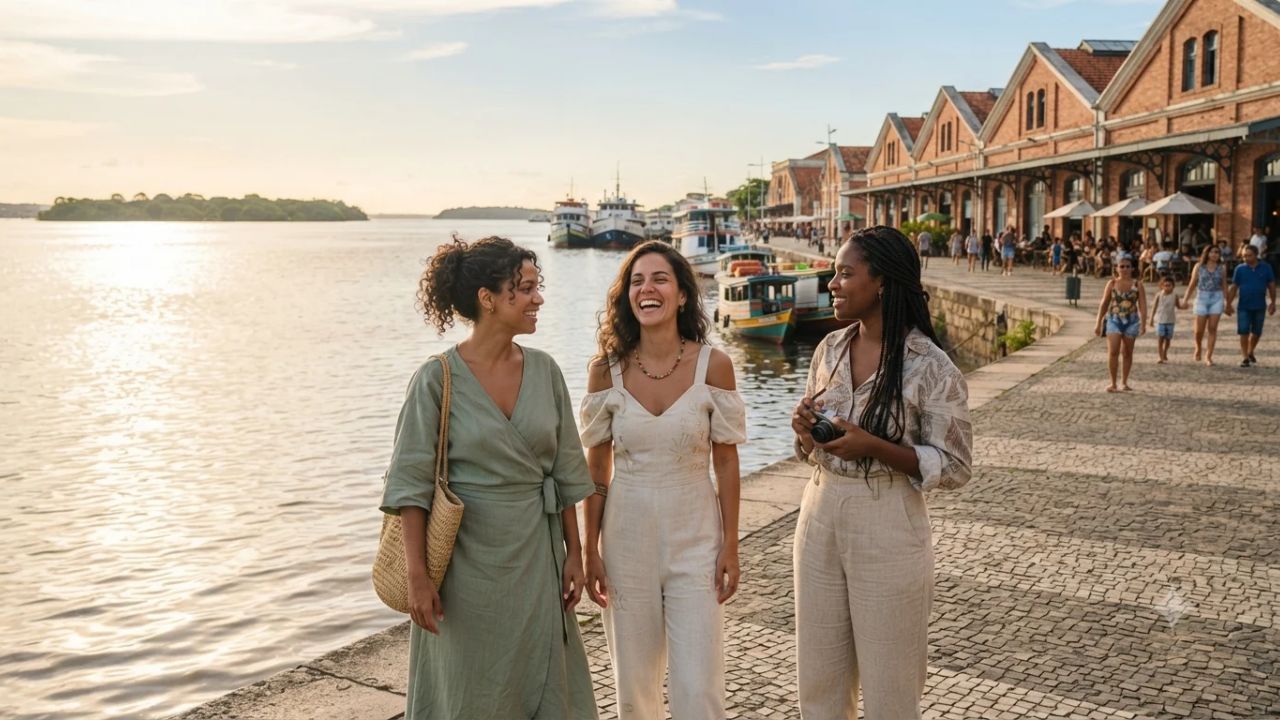
During the second weekend of October, more than two million pilgrims gather in Belém do Pará to carry the sacred image of Our Lady of Nazareth through city streets and across the waters of Guajará Bay, creating the largest religious gathering in South America. Inscribed by UNESCO Intangible Cultural Heritage in 2013, the annual Círio de Nazaré transforms the gateway of the Brazilian Amazon into a vibrant convergence of river processions, indigenous gastronomy, and living folk traditions. Combined with the launch of sustainable river expeditions, electric catamaran island tours, and the 468-kilometer Amazônia Atlântica Trail, Belém has established itself as Brazil's premier capital for ecological and cultural tourism.
The Círio Awakening and Sustainable Amazonian River Corridors
The cultural calendar in northern Brazil peaks each October as Belém prepares for Círio de Nazaré. The official 2026 festival schedule centers on the dramatic Fluvial Procession (Romaria Fluvial) and the night-time Trasladação on October 10, culminating in the grand Sunday procession on October 11. Hundreds of decorated boats, timber riverboats, and private catamarans escort the statue across Guajará Bay, reflecting the profound maritime identity of the Lower Amazon basin.
Beyond the religious fervour, Belém is leading an Eco-MICE and sustainable tourism transition across the state of Pará. At Estação das Docas—a restored complex of 19th-century iron riverfront warehouses overlooking the estuary—international delegates, eco-tourists, and architects meet where urban heritage interfaces directly with the rainforest.
State infrastructure investments documented by the Pará State Tourism Secretariat highlight the development of the 468-kilometer Amazônia Atlântica Trail. This long-distance conservation corridor links Belém with Serra do Piriá across 17 municipalities, connecting coastal mangrove biomes with traditional riverine (ribeirinho) and quilombola forest communities.
| Event / Regional Asset | 2026 Official Schedule / Detail | Cultural & Geographic Role | Travel Logistics |
|---|---|---|---|
| Círio Fluvial Procession | October 10, 2026 | Hundreds of decorated boats sailing Guajará Bay | View from Estação das Docas / Praça do Pescador |
| Main Círio Procession | October 11, 2026 | 2M+ pilgrims following the iconic rope (Corda) | Central Belém boulevards to Basilica of Nazareth |
| Estação das Docas | Open daily from 10:00 AM | Restored iron docks, craft breweries, river views | Downtown waterfront adjacent to historic center |
| Ver-o-Peso Market | Active from 4:00 AM daily | Latin America's largest open-air fish and fruit market | Walkable from historic Cidade Velha |
| Ilha do Combu | 10-minute riverboat crossing | Riverfront restaurants, heirloom cacao agroforestry | Depart from Terminal Hidroviário Ruy Barata |
| Amazônia Atlântica Trail | 468 km across 17 municipalities | Low-impact trekking and community conservation | Trailheads accessible from Belém and Bragança |
What Makes Belém and the Lower Amazon Estuary Different
Belém occupies a strategic geographic position where the freshwater outflow of the Amazon River meets the saltwater tides of the Atlantic Ocean. Unlike interior river towns, Belém developed as a wealthy rubber-boom port, leaving a distinct architectural legacy of Portuguese ceramic tile (azulejo) facades, shaded mango tree avenues (Cidade das Mangueiras), and neoclassical theaters.
The culinary identity of Pará is considered the most original in Brazil, rooted in indigenous botanical knowledge. Fresh açaí is served daily not as a sweet dessert, but as a thick, savory purple mash eaten warm with crispy fried river fish (filhote or pirarucu) and toasted manioc flour (farinha d'água).
Street vendors (tacacazeiras) across neighborhood plazas prepare tacacá—a steaming broth made from wild manioc juice (tucupi), sun-dried shrimp, and fresh jambu leaves, an Amazonian herb that produces a gentle, pleasant tingling and numbing sensation on the lips and palate.
Across Guajará Bay, a 10-minute boat ride leads to Ilha do Combu, an island sanctuary where family-owned enterprises cultivate heirloom organic cacao under native canopy shade. Here, travelers dine on floating wooden decks surrounded by giant Victoria amazonica water lilies and dense açaí palms.
Visitor Insider Tips
To navigate Belém smoothly during Círio season and explore the surrounding Amazonian waterways, keep these field-tested tips in mind:
- Ver-o-Peso Dawn Market Arrival: Arrive at the Ver-o-Peso market between 5:00 AM and 6:30 AM to watch traditional wooden river boats unload thousands of heavy wicker baskets filled with fresh purple açaí berries and massive freshwater pirarucu fish caught overnight.
- Combu Island River Boat Logistics: Head to the Terminal Hidroviário Ruy Barata on Praça Princesa Isabel. Pay small boat captains directly (cash or local digital transfer) for a scenic R$10-R$15 crossing to island restaurants like Casa do Saulo das Onças or Filhos da Terra.
- Tacacá Street Food Etiquette: Visit the famous Tacacá do Renato or Tacacá da Dona Maria near the Basilica of Nazareth in late afternoon. Drink the broth directly from the natural gourd (cuia) without using a spoon, allowing the tingling jambu herb to balance the rich acidity of the tucupi.
- Círio Procession Viewing Strategy: During Círio weekend (October 10-11), book hotel rooms along Avenida Presidente Vargas or near Praça da República 4 to 6 months in advance. To view the processions comfortably, reserve viewing balcony passes through accredited cultural operators.
- Insect and Tropical Sun Protection: The equatorial climate in Belém is warm and humid year-round (26°C-32°C / 79°F-90°F). Pack lightweight, quick-drying linen or technical clothing, a wide-brimmed sun hat, and natural citronella-based insect repellent for riverboat excursions.
Cultural and Environmental Context
The cultural preservation of Belém is inseparable from the environmental protection of the surrounding Amazonian estuary. The Círio de Nazaré serves as a powerful unifying force that reinforces community solidarity and cultural identity across rural riverine and urban families alike.
Tourism initiatives coordinated with Visit Brasil emphasize the promotion of bioeconomy value chains. By creating sustainable market demand for native forest products—such as wild açaí, cupuaçu, Brazil nuts, and heirloom chocolate—tourism directly incentivizes local riverine families to keep forest ecosystems intact rather than clearing land for cattle grazing.
Furthermore, community-led management plans across the islands of Combu and Onças protect delicate mangrove shorelines and freshwater tidal channels (furos), ensuring that riverboat tourism operates at low speeds to prevent shoreline erosion and preserve aquatic wildlife habitats.
FAQ: Visiting Belém and Pará 2026
When is the best time to visit Belém?
June through November offers lower rainfall, sunny skies, and optimal conditions for river excursions, with October presenting the vibrant Círio de Nazaré festival.
How do I get to Belém from major international hubs?
Fly into Belém's Val-de-Cans International Airport (BEL) via direct non-stop flights from Miami, Lisbon, São Paulo (GRU), or Brasília (BSB).
Is Belém safe for international travelers?
Belém is welcoming, but visitors should exercise standard urban precautions: use registered taxi apps or hotel transport, avoid walking with visible valuables in unlit areas at night, and stay within main tourist zones.
What is the most famous dish to try in Belém?
Try pato no tucupi (duck roasted and simmered in fermented manioc broth with jambu leaves) or fresh grilled filhote fish served with savory açaí and manioc flour.
Where the mighty Amazonian waters meet Portuguese colonial shores, Belém reveals a magical sensory world of deep spiritual devotion and untamed natural wonder.
Related Travel Guides
Disclaimer
This article is for informational and educational purposes only. It does not constitute legal, financial, or professional advice. While we strive to provide accurate and up-to-date information, travel policies, regulations, and conditions change rapidly. Always verify information with official sources before making travel decisions. Nomad Lawyer makes no representations about the accuracy, reliability, completeness, or suitability of the information provided. Readers should consult qualified professionals for advice specific to their circumstances. The views expressed in this article are those of the author and do not necessarily reflect the views of Nomad Lawyer.
Raushan Kumar
Founder & Lead Developer
Full-stack developer with 11+ years of experience and a passionate traveller. Raushan built Nomad Lawyer from the ground up with a vision to create the best travel and law experience on the web.
Learn more about our team →